
Beyond Oysters
The use of oyster death assemblagesA mixture of accumulating sediment, dead shells, and other remains. to understand the health of oyster reef ecosystems in Florida is just one example of conservation paleobiologyApplies paleontological data and methods to prevent species extinction, restore habitats, and sustain the benefits people obtain from ecosystems.. Below are examples that highlight how this field of science is contributing to conservation efforts all around the world.

Extinction Risk
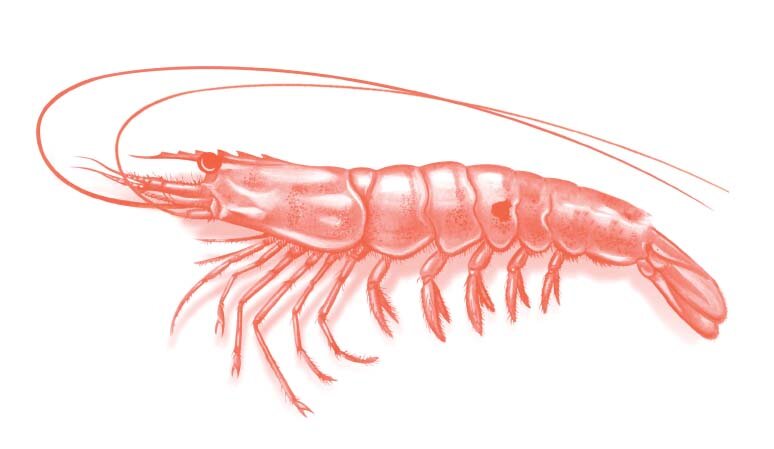
FOSSILIZED REMAINS of birds found on tropical islands throughout the Pacific indicate that feeding ecology was tightly linked to extinction risk over the past 3500 years. Knowing which traits increased extinction in the past can help anticipate which species may be at greatest risk today. For example, on the island of New Caledonia, the Cloven-feathered Dove (Drepanoptila holosericea) is classified as unthreatened but it shares a fruit-eating diet with many extinct species, suggesting it is potentially in need of conservation attention.
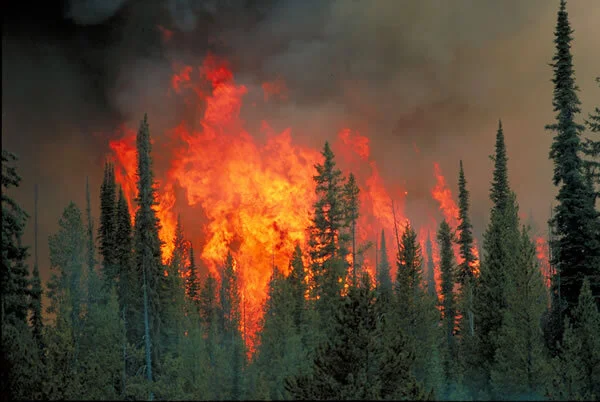
PHOTO CREDIT: U.S. DEPARTMENT OF AGRICULTURE
Disturbance Frequency
PLANT POLLEN and charcoal preserved in sediment can help determine the natural frequency of forest fires in fire-prone environments. For example, charcoal accumulation in sediments over the last 3000 years from several sites in the western U.S. indicates fires were much more frequent leading up to the 1800s. Since then, human settlement has resulted in less frequent fires, while increased drought due to climate change has fueled more intense fires. This knowledge can inform better fire prevention and management practices.

PHOTO CREDIT: ROBERT COLLETTA
Invasive Species
INVASIVE SPECIES are among the leading threats to native wildlife populations. Evidence from the fossil record can help determine which species are invasive. For example, yellow perch (Perca flavescens) have been listed as an invasive species in Adirondack State Park in northern New York since the 1950s. However, environmental DNA preserved in lake sediments indicates that the species has in fact lived in the area for at least the past 2000 years, changing its classification from invasive to native.
Reintroduction of Predators
THE TASMANIAN DEVIL (Sarcophilus harrisii), which now inhabits the island of Tasmania, was a top predator on mainland Australia before being extirpated 3500 years ago. Recently, reintroduction of predatory Devils to Australia has been proposed to help control the number of invasive feral cats and red foxes. Fossilized bones and coprolites (poop) of Devils have been unearthed from all over Australia, identifying the large ranges they once inhabited as potential areas for successful reintroduction to improve the overall health of the ecosystem.
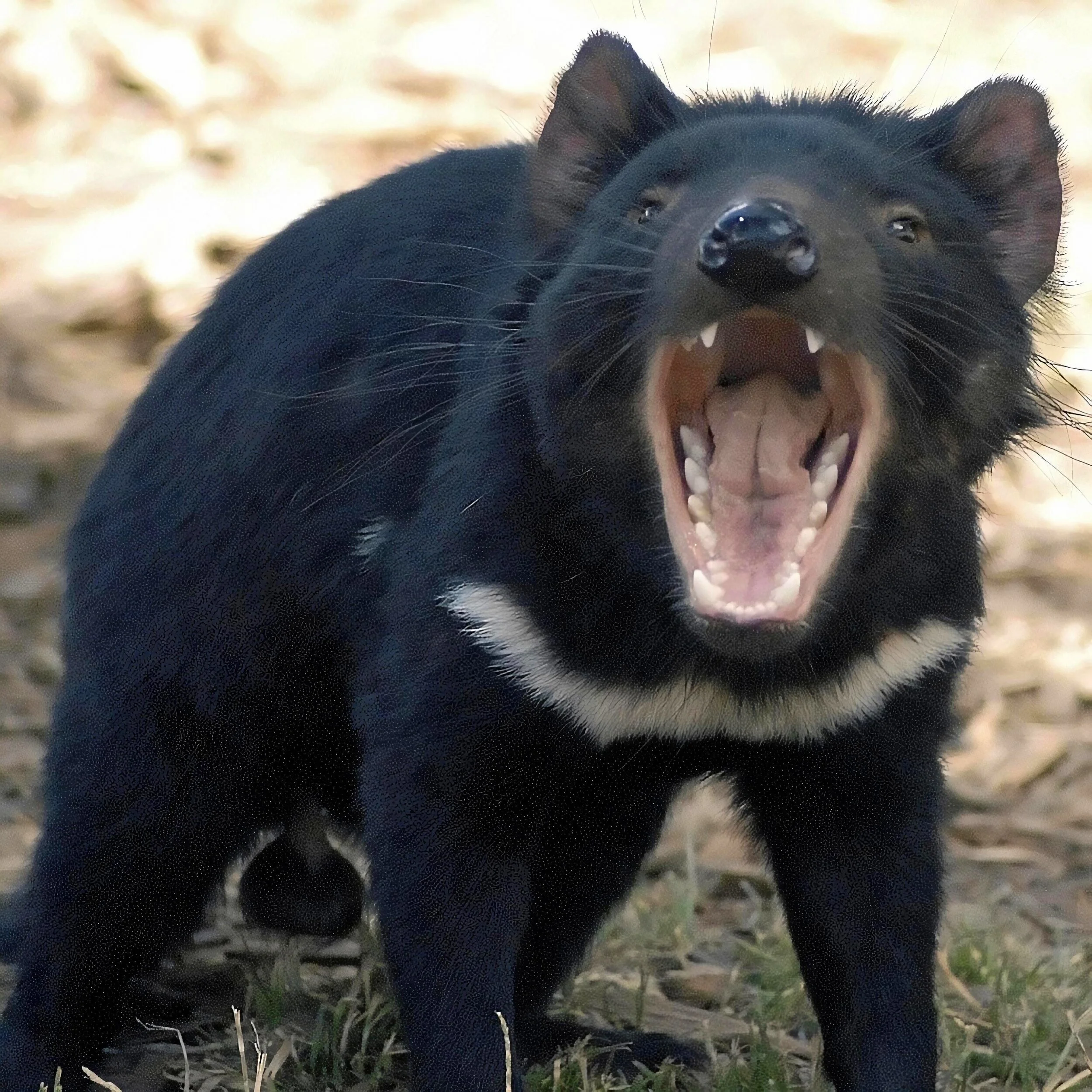
PHOTO CREDIT: JGRITZ~COMMONSWIKI
WE WOULD LIKE TO SINCERELY THANK THE FOLLOWING INDIVIDUALS FOR THEIR CONTRIBUTIONS:
Content: Greg Dietl and Jaleigh Pier
Design: Abigail Gepner
Website Development: Dave Fass
Additional Contributions: Leon Apgar, Helaina Blume, Stephen Durham, Mitchel Goben, Brian Gollands, Olive Onyekwelu, Santo Sumo, and Jen Yoon
The HOBS project was funded in part, through a grant agreement from the Florida Department of Environmental Protection, Florida Coastal Management Program, by a grant provided by the Office of Ocean and Coastal Resource Management under the Coastal Zone Management Act of 1972, as amended, National Oceanic and Atmospheric Administration Award No. NA18NOS4190080. The views, statements, findings, conclusions and recommendations expressed herein are those of the author(s) and do not necessarily reflect the views of the State of Florida, NOAA or any of their subagencies.