


Paleontological Research Institution logo
Paleontological Research Institution Earth@Home Museum of the Earth Cayuga Nature Center
Museum of the Earth
Home Exhibits Donate Store
Paleontological Research Institution Earth@Home Museum of the Earth Cayuga Nature Center
About the Museum
Plan Your Visit Events Community Accessibility Program
Volunteer Membership Gift Membership Young Naturalist Access Program Library Access Program Opportunities for Students Employment Opportunities
Overview Group Programs Virtual Programs Fossil ID Community Resources
Home About About the Museum Visit Plan Your Visit Events Community Accessibility Program Exhibits Join Us Volunteer Membership Gift Membership Young Naturalist Access Program Library Access Program Opportunities for Students Employment Opportunities Learn & Teach Overview Group Programs Virtual Programs Fossil ID Community Resources DonateStore
Museum of the Earth
Paleontological Research InstitutionEarth@HomeMuseum of the EarthCayuga Nature Center
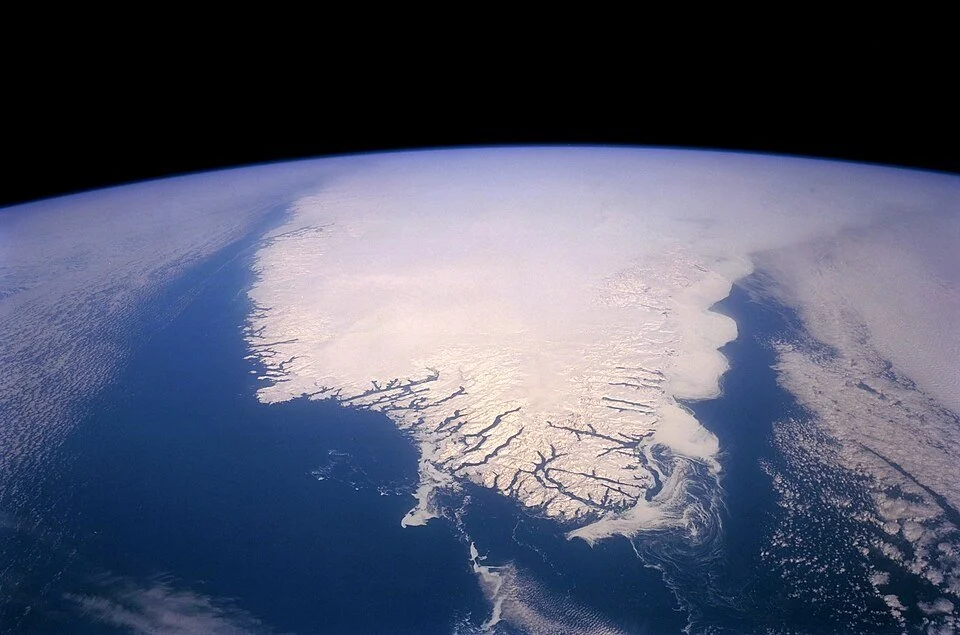
ICE SHEETS are extensive glaciers that can cover large parts of continents, like the one covering Antarctica.

ICE SHEETS are extensive glaciers that can cover large parts of continents, like the one covering Antarctica.

Image: the Greenland ice sheet, as seen from space

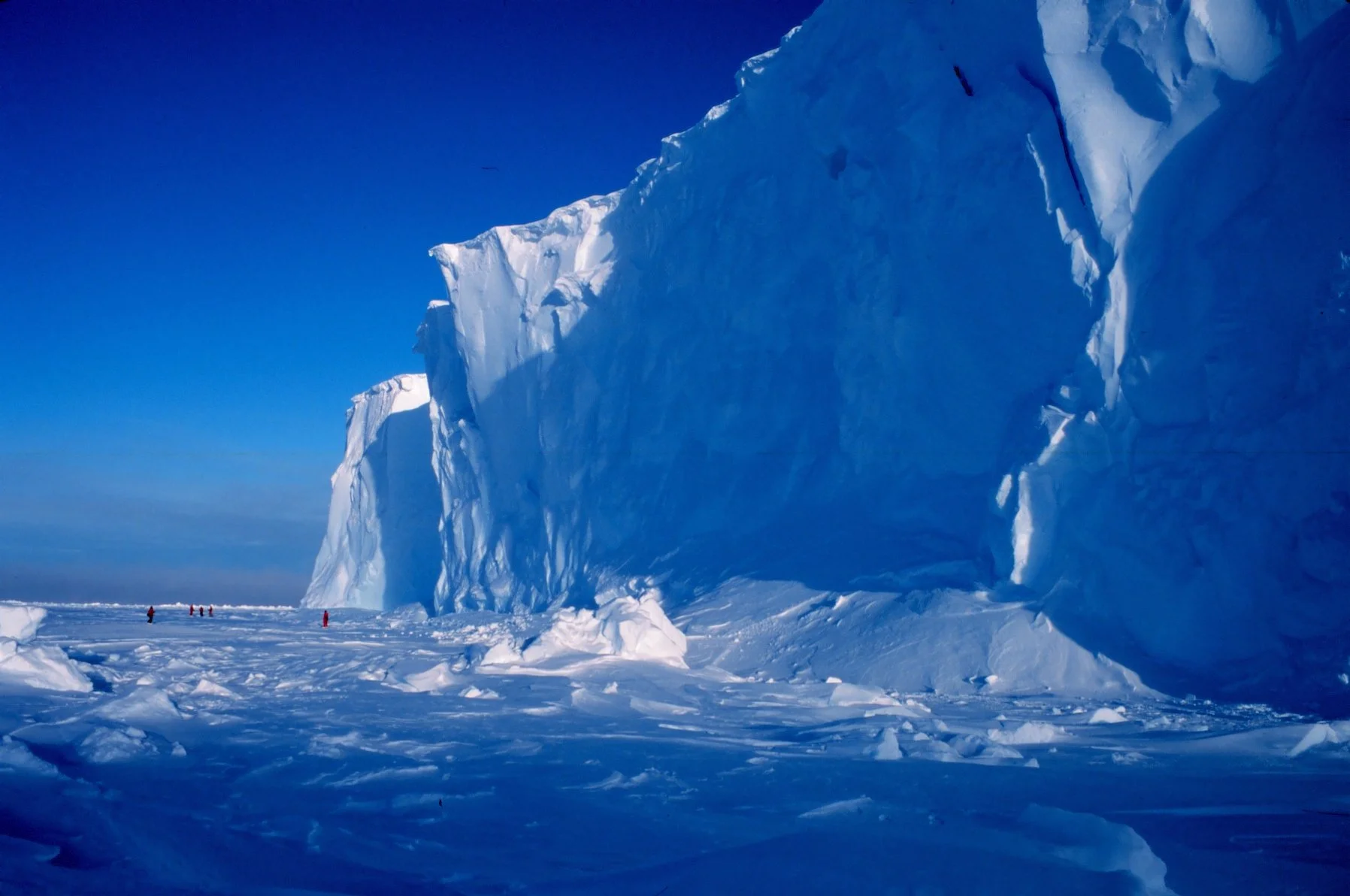
ICE SHELVES are thick platforms of ice that form when ice sheets extend onto the ocean’s surface, sometimes reaching all the way to the ocean floor.

ICE SHELVES are thick platforms of ice that form when ice sheets extend onto the ocean’s surface, sometimes reaching all the way to the ocean floor.

Image: Ross ice shelf, Antarctica

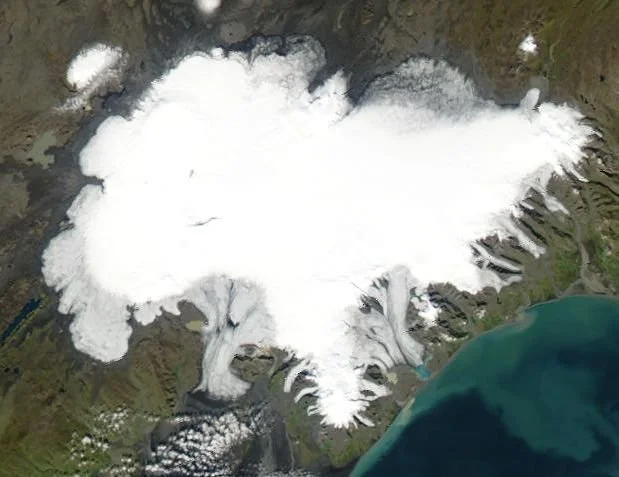
ICE CAPS, or ice fields, cover large areas, but are smaller than ice sheets.

ICE CAPS, or ice fields, cover large areas, but are smaller than ice sheets.

Image: Vatnajökull ice cap in Iceland

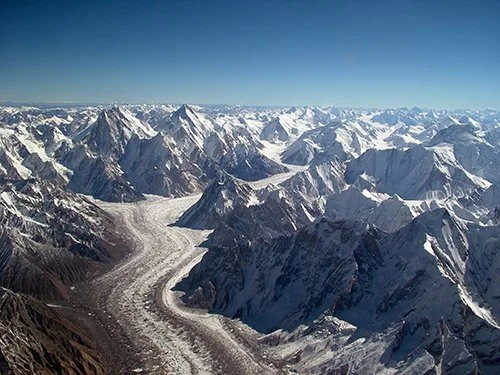
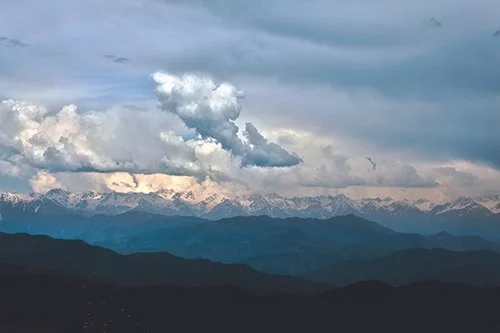
MOUNTAIN GLACIERS form on the slopes of high, cold mountains.

MOUNTAIN GLACIERS form on the slopes of high, cold mountains.

Image: Baltoro Glacier in Pakistan

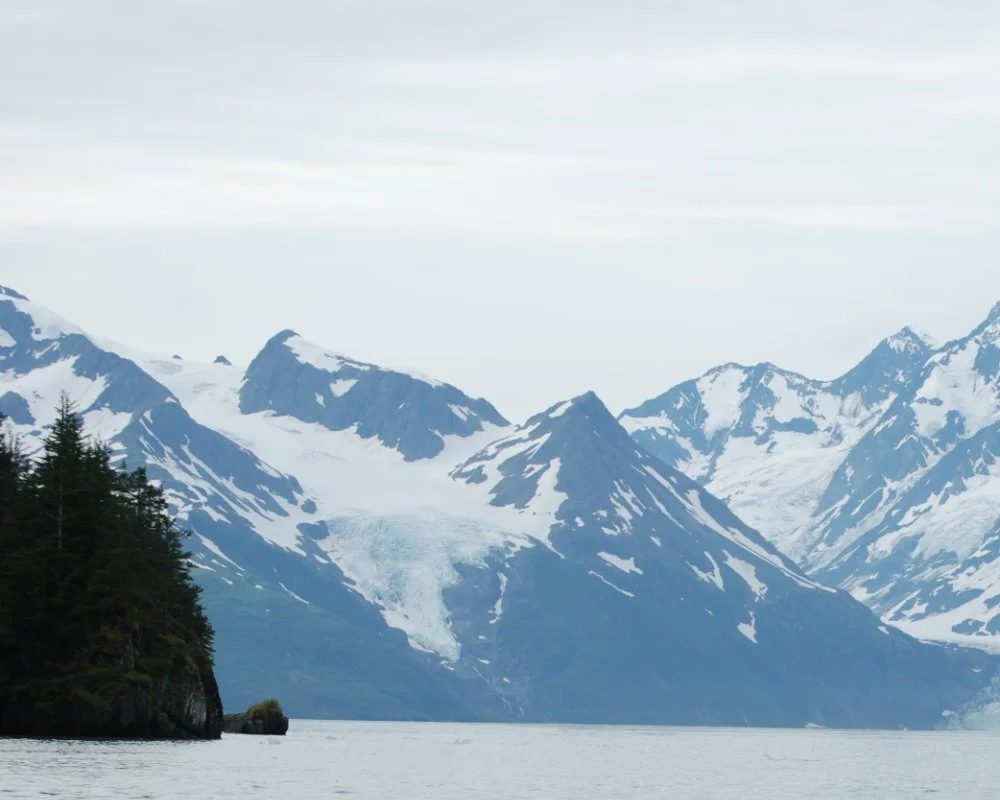
VALLEY GLACIERS flow out from mountain glaciers, ice fields, or ice sheets, and are contained and channeled by a valley.

VALLEY GLACIERS flow out from mountain glaciers, ice fields, or ice sheets, and are contained and channeled by a valley.

Image: Cataract Glacier in Prince William Sound, Alaska

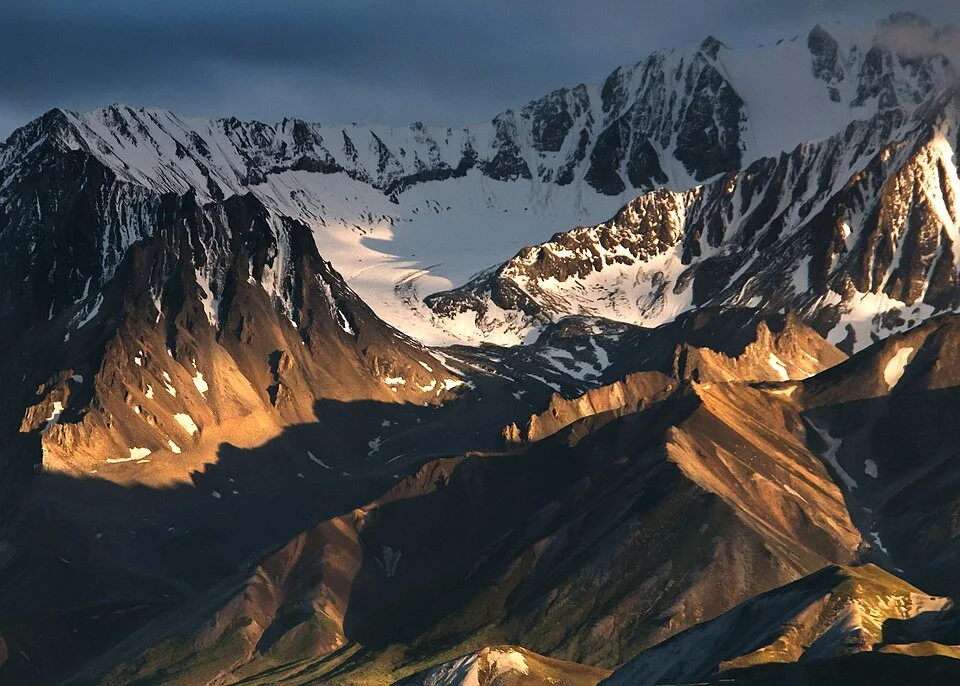
CIRQUE GLACIERS form in bowl-shaped depressions on mountainsides.

CIRQUE GLACIERS form in bowl-shaped depressions on mountainsides.

Image: Muldrow Glacier in Denali National Park and Preserve, Alaska, with valley glacier flowing out from a cirque glacier.

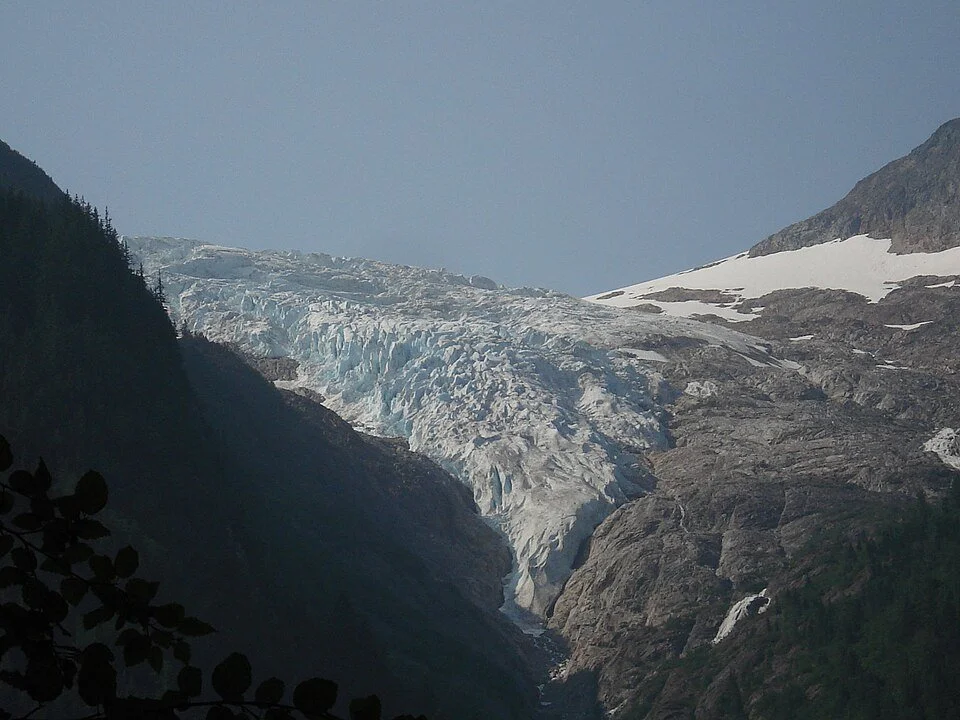
HANGING GLACIERS form when a glacier reaches a steep cliff and the ice “hangs” over the edge; they often feed into valley glaciers.

HANGING GLACIERS form when a glacier reaches a steep cliff and the ice “hangs” over the edge; they often feed into valley glaciers.

Image: Irene Glacier, Alaska

 The Titanic, Courtesy of Nova Scotia Archives and Records Management, Halifax, NS

The Titanic, Courtesy of Nova Scotia Archives and Records Management, Halifax, NS

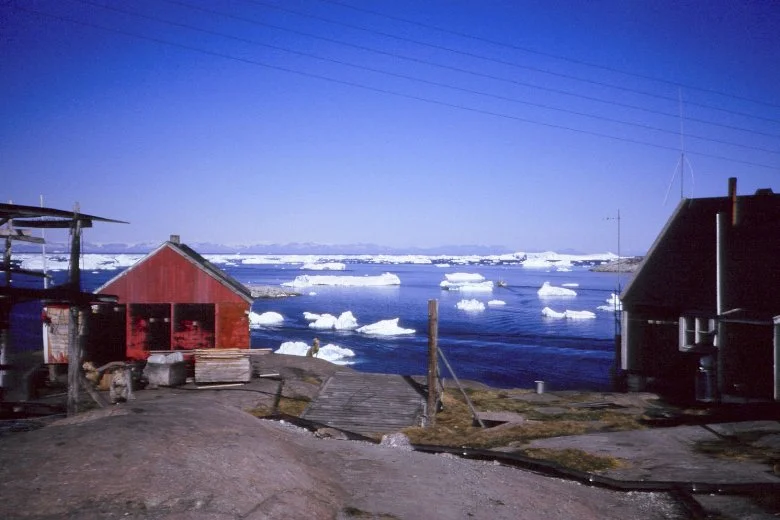
 Icebergs that have broken off from Sermeq Kujalleq (Jakobshavn Glacier) in Illulisat, Greenland. Photo by Ingrid Zabel

Icebergs that have broken off from Sermeq Kujalleq (Jakobshavn Glacier) in Illulisat, Greenland. Photo by Ingrid Zabel

1 2 3 4 5 6 7 8 9
Previous Next
ICE SHEETS are extensive glaciers that can cover large parts of continents, like the one covering Antarctica.
ICE SHELVES are thick platforms of ice that form when ice sheets extend onto the ocean’s surface, sometimes reaching all the way to the ocean floor.
ICE CAPS, or ice fields, cover large areas, but are smaller than ice sheets.
MOUNTAIN GLACIERS form on the slopes of high, cold mountains.
VALLEY GLACIERS flow out from mountain glaciers, ice fields, or ice sheets, and are contained and channeled by a valley.
CIRQUE GLACIERS form in bowl-shaped depressions on mountainsides.
HANGING GLACIERS form when a glacier reaches a steep cliff and the ice “hangs” over the edge; they often feed into valley glaciers.
 The Titanic, Courtesy of Nova Scotia Archives and Records Management, Halifax, NS
 Icebergs that have broken off from Sermeq Kujalleq (Jakobshavn Glacier) in Illulisat, Greenland. Photo by Ingrid Zabel
 
Museum of the Earth
1259 Trumansburg Road,
Ithaca, NY, 14850,
United States
607-273-6623

Contact Us

Museum of the Earth
1259 Trumansburg Rd.
Ithaca, NY 14850
607-273-6623

For Donation Requests Click Here

Connect With Us

Proudly Affiliated With

ASTC logo Museums4All logo Blue Star Museums logo Discovery Trail logo
Privacy & Terms of UseAccessibilityPressEmploymentStaff DirectoryRent Our Space
Copyright © 2022 Paleontological Research Institution. All rights reserved.
We are a registered 501(c)(3) nonprofit organization. EIN: 15-0554849
🐚