

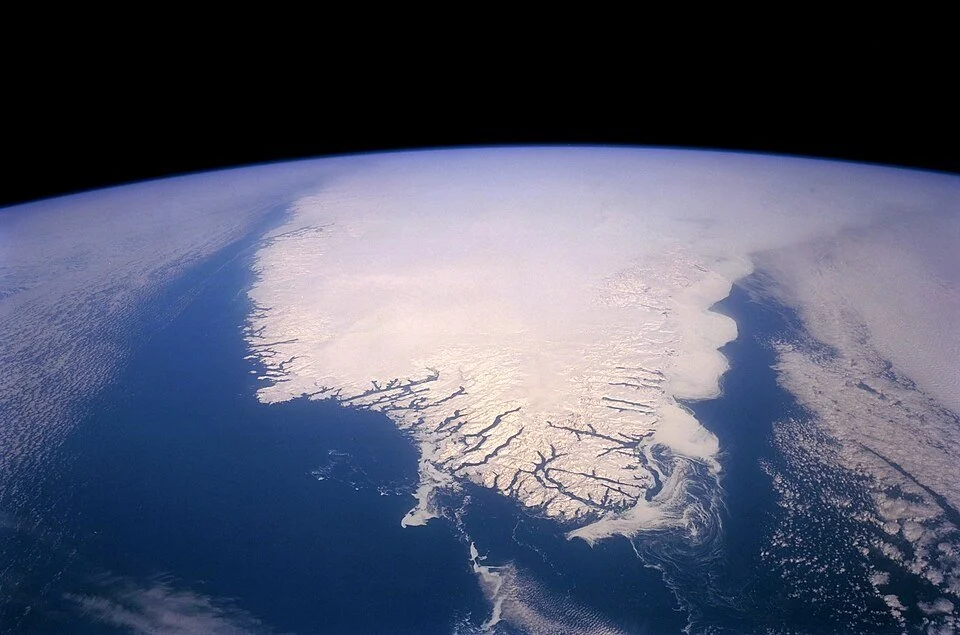

ICE SHEETS are extensive glaciers that can cover large parts of continents, like the one covering Antarctica.
Image: the Greenland ice sheet, as seen from space
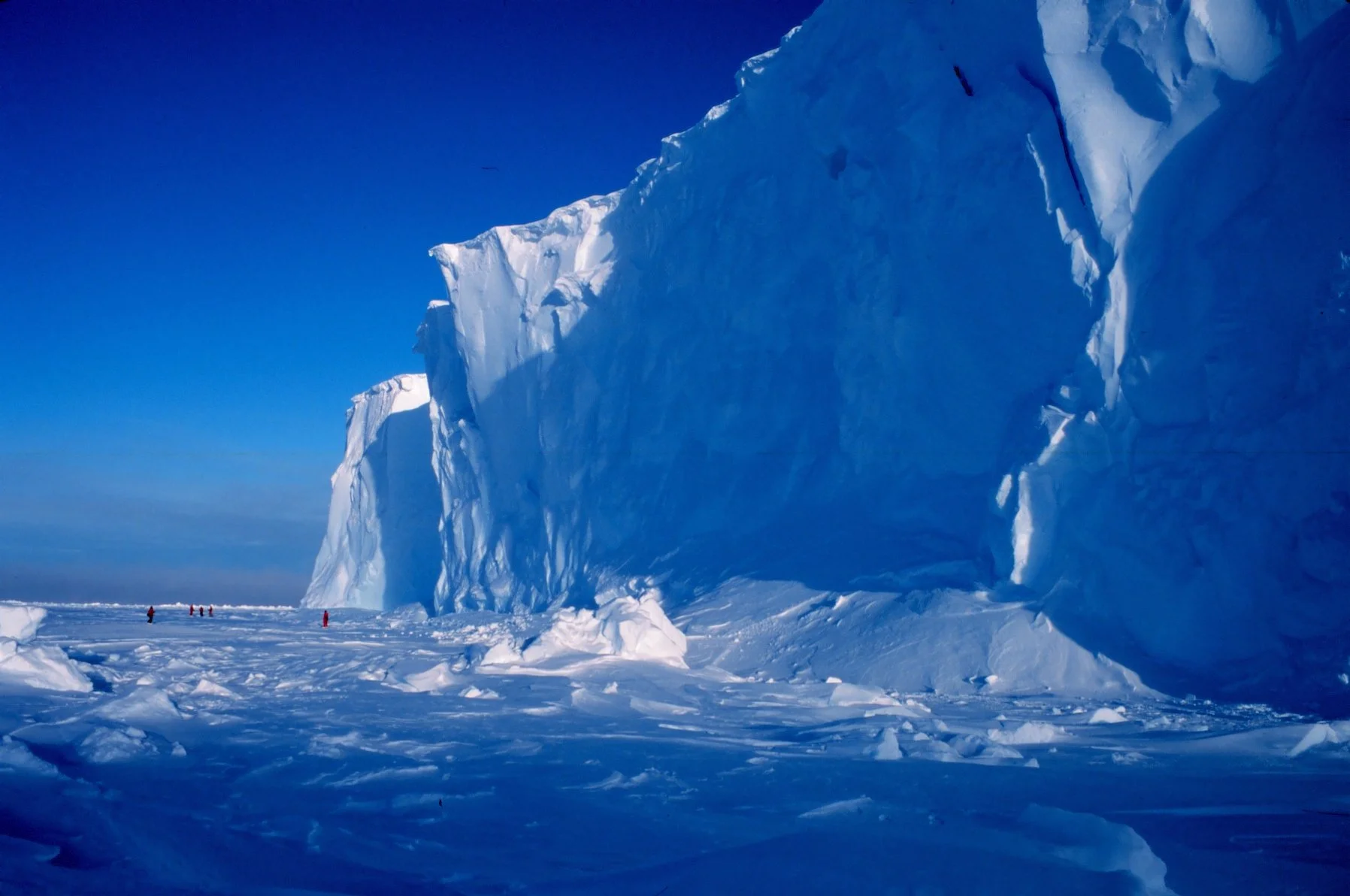
ICE SHELVES are thick platforms of ice that form when ice sheets extend onto the ocean’s surface, sometimes reaching all the way to the ocean floor.
Image: Ross ice shelf, Antarctica
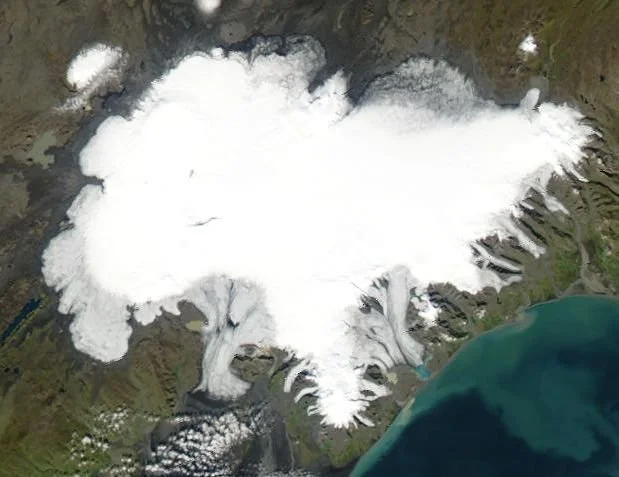
ICE CAPS, or ice fields, cover large areas, but are smaller than ice sheets.
Image: Vatnajökull ice cap in Iceland
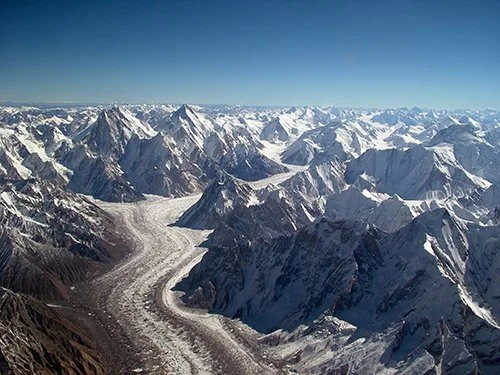
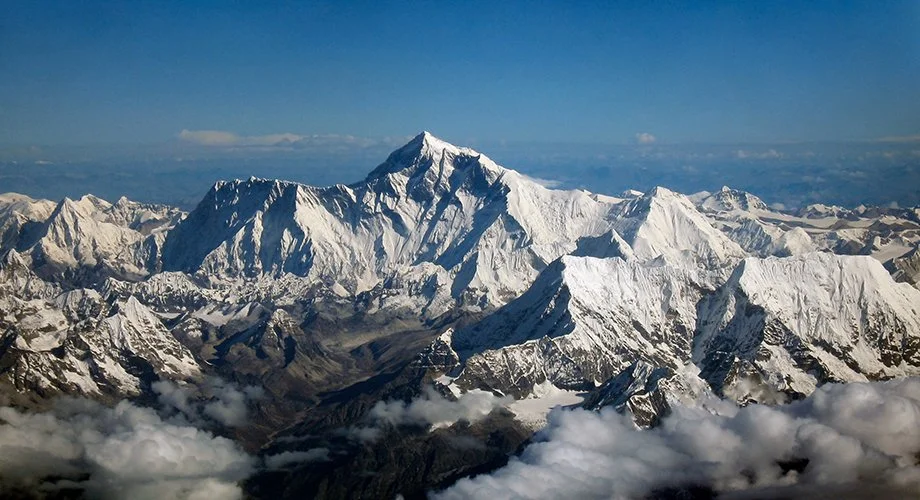
MOUNTAIN GLACIERS form on the slopes of high, cold mountains.
Image: Baltoro Glacier in Pakistan
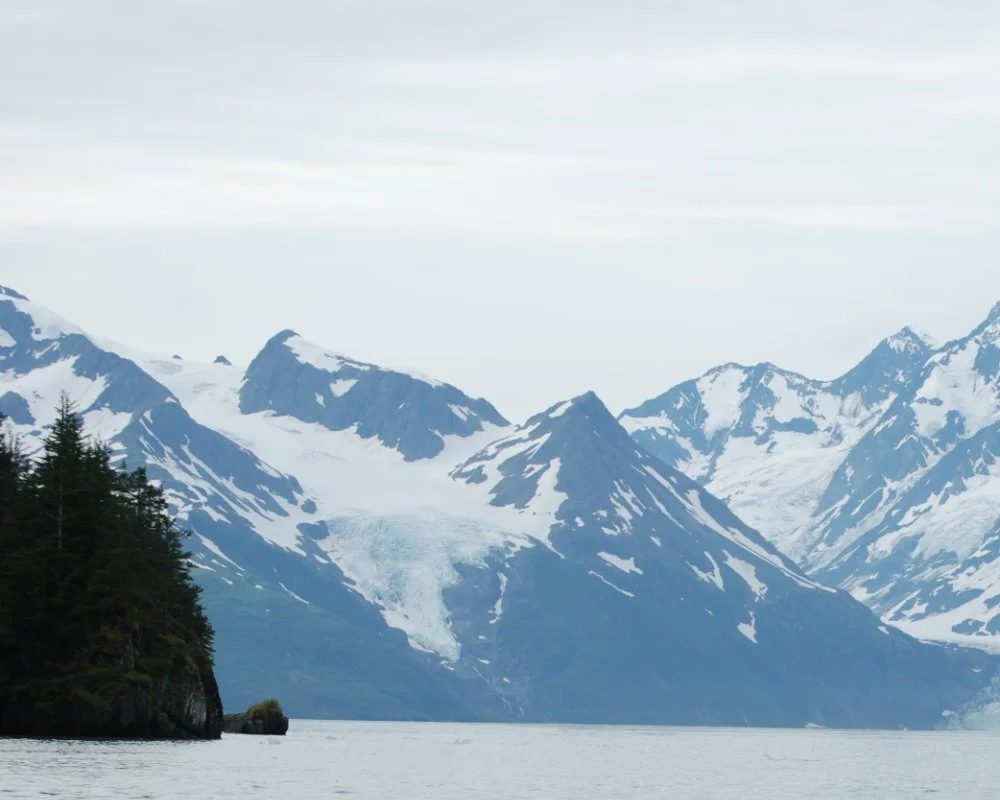
VALLEY GLACIERS flow out from mountain glaciers, ice fields, or ice sheets, and are contained and channeled by a valley.
Image: Cataract Glacier in Prince William Sound, Alaska
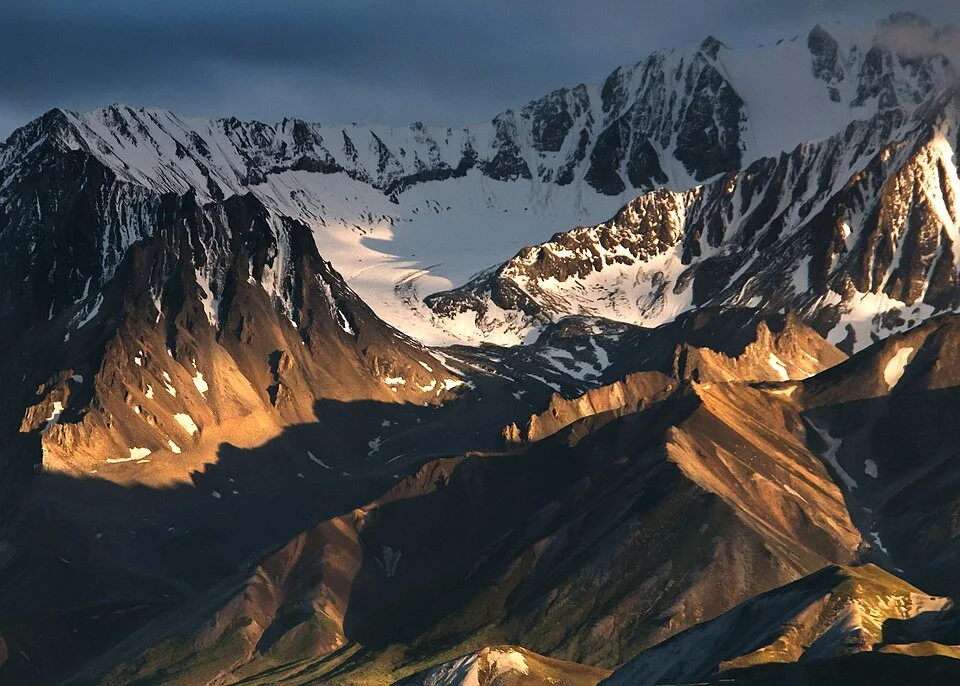
CIRQUE GLACIERS form in bowl-shaped depressions on mountainsides.
Image: Muldrow Glacier in Denali National Park and Preserve, Alaska, with valley glacier flowing out from a cirque glacier.
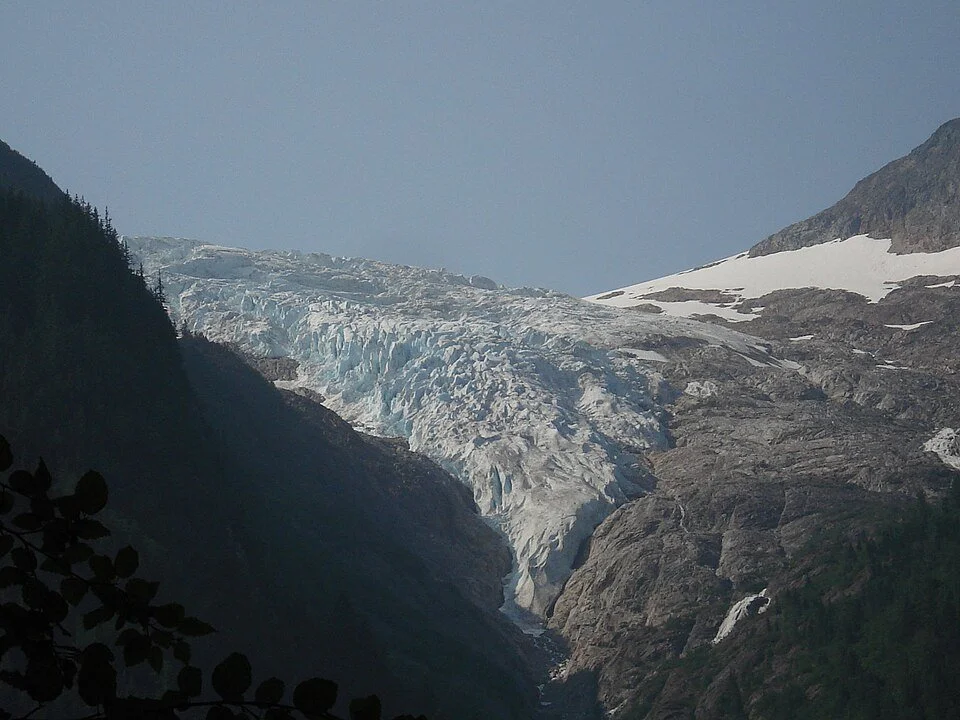
HANGING GLACIERS form when a glacier reaches a steep cliff and the ice “hangs” over the edge; they often feed into valley glaciers.
Image: Irene Glacier, Alaska
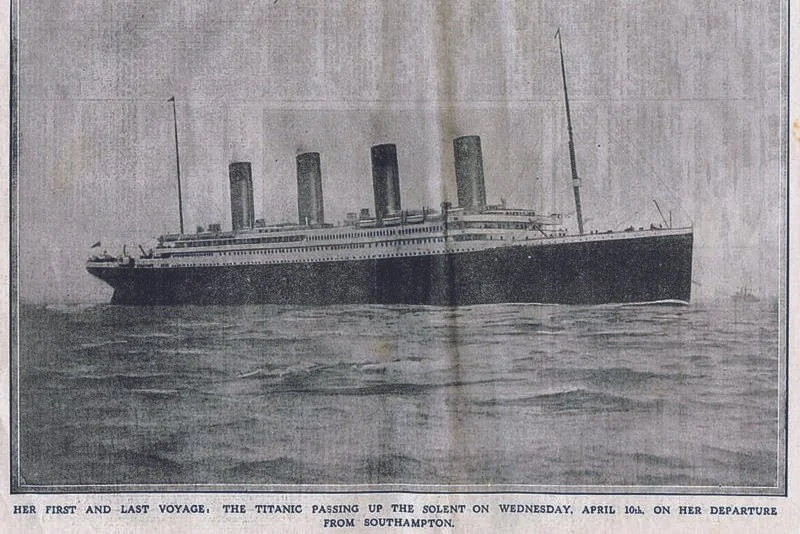
The Titanic, Courtesy of Nova Scotia Archives and Records Management, Halifax, NS
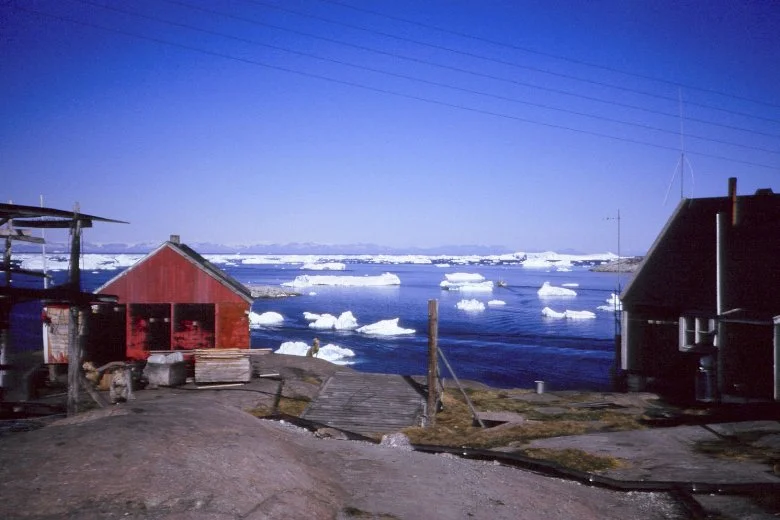
Icebergs that have broken off from Sermeq Kujalleq (Jakobshavn Glacier) in Illulisat, Greenland. Photo by Ingrid Zabel
DRUMLINS: Teardrop-shaped hills made of till – loose, unsorted sediment – which formed beneath a glacier
MORAINES: Hills of till left at the edges of a glacier.
ESKERS: Long, meandering ridges formed by sediment deposited in streams of water flowing beneath the surface of a glacier.
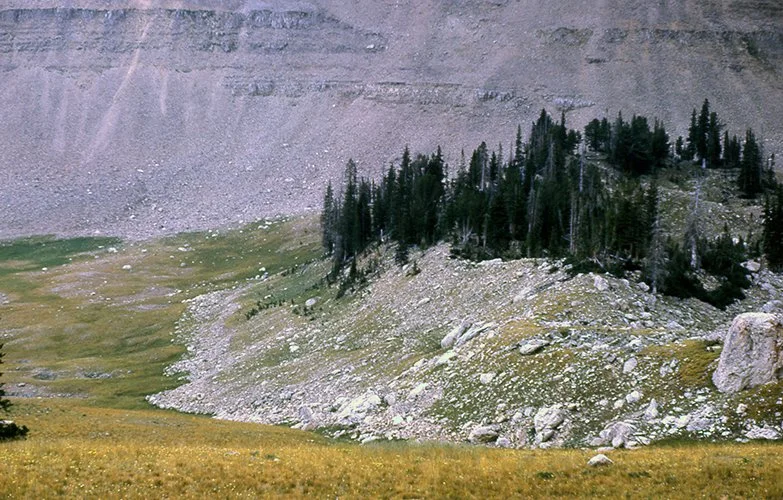
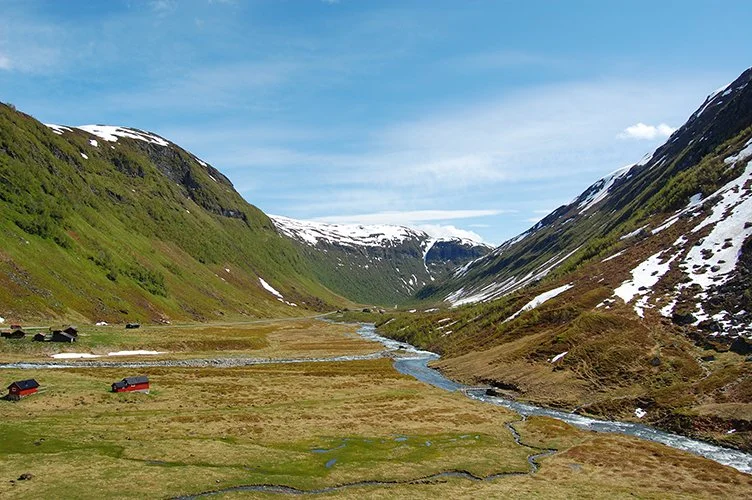
GLACIAL TROUGHS: U-shaped valleys carved by glaciers, often littered with erratics and till.
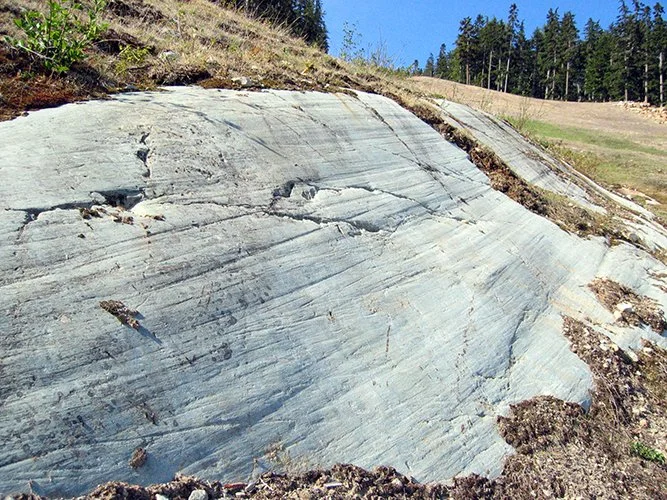
GLACIAL STRIATIONS: Long, straight, parallel lines carved in bedrock that formed when debris embedded in a moving glacier scratched along the ground.
