

Introduction
Ice-cold Glaciers
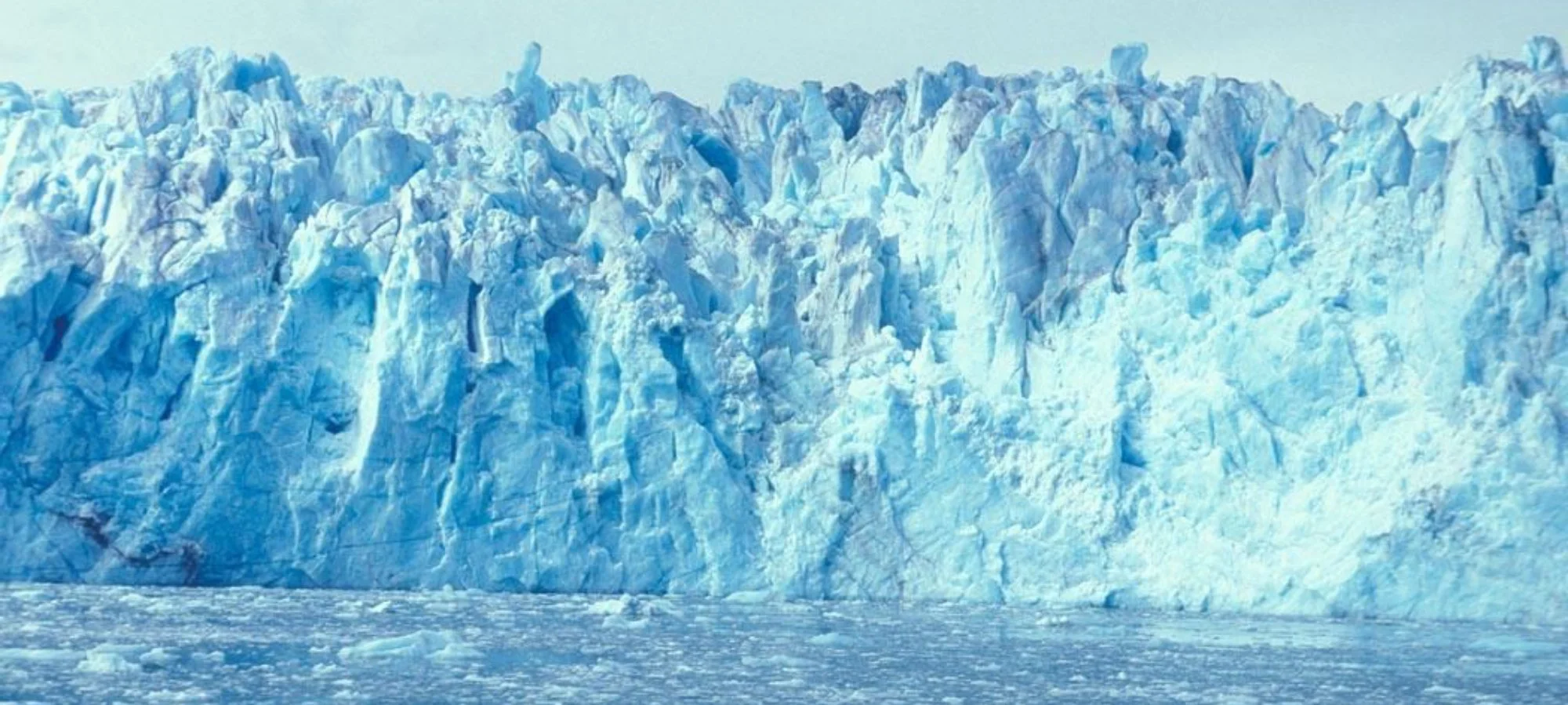
Glaciers are huge masses of ice that move and flow over land. They form over many years in places where snow builds up faster than it melts. As snowflakes accumulate and are packed together tightly, the glacier grows.
As a glacier grows vertically, its increasing weight makes it deform and flow outward along its edges—or advance—due to gravity. As it spreads outward, it covers more of the landscape. Though they are always changing, glaciers stick around. Once formed, a glacier remains in an area for a very long time, and it takes decades, or even centuries, to completely melt away. When a glacier melts faster than it accumulates snow, it retreats.
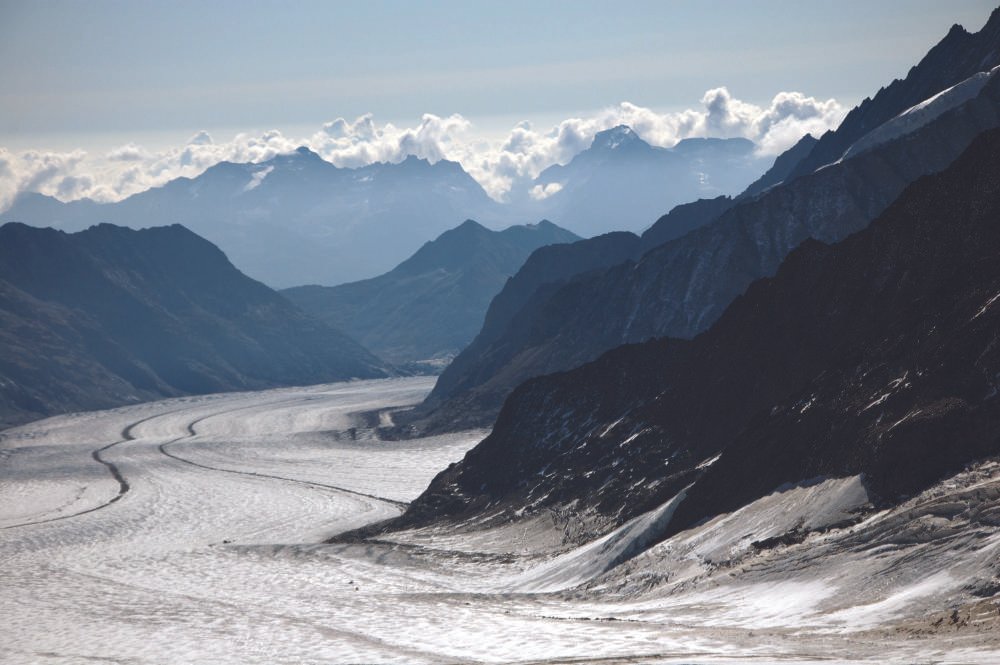
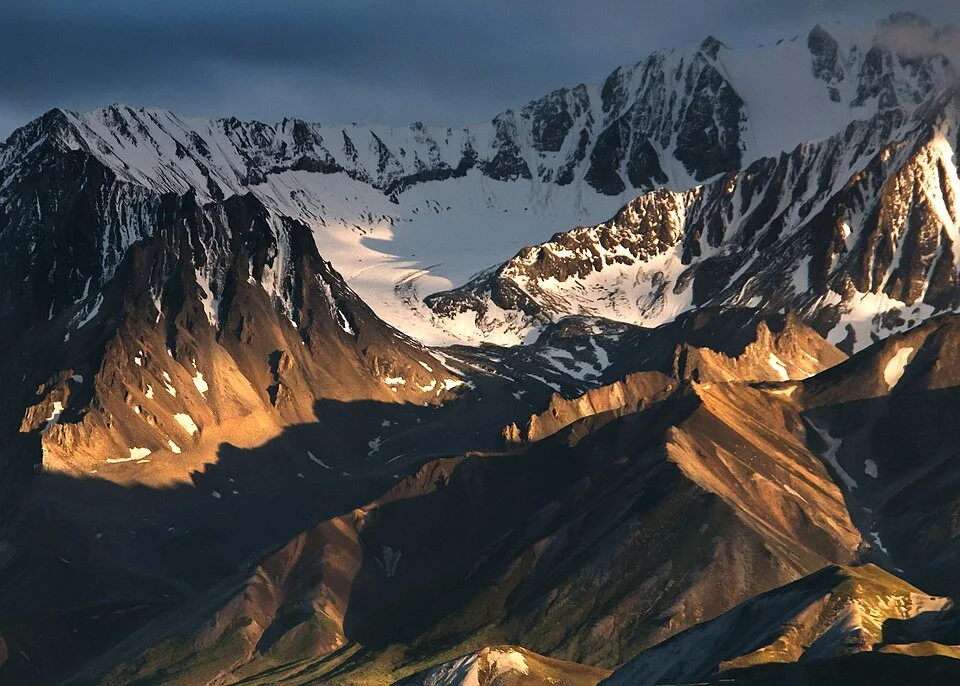
Scientists recognize a few basic types of glaciers:
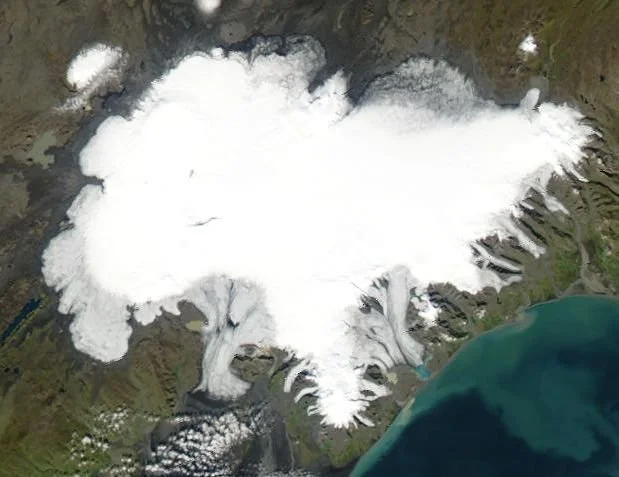
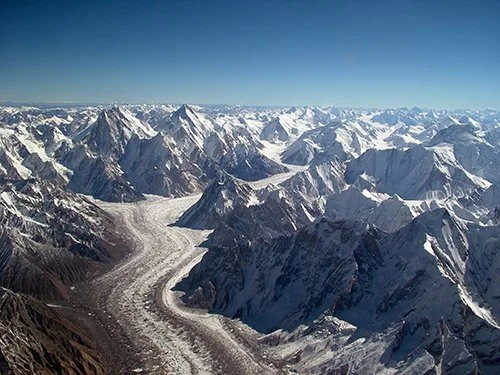
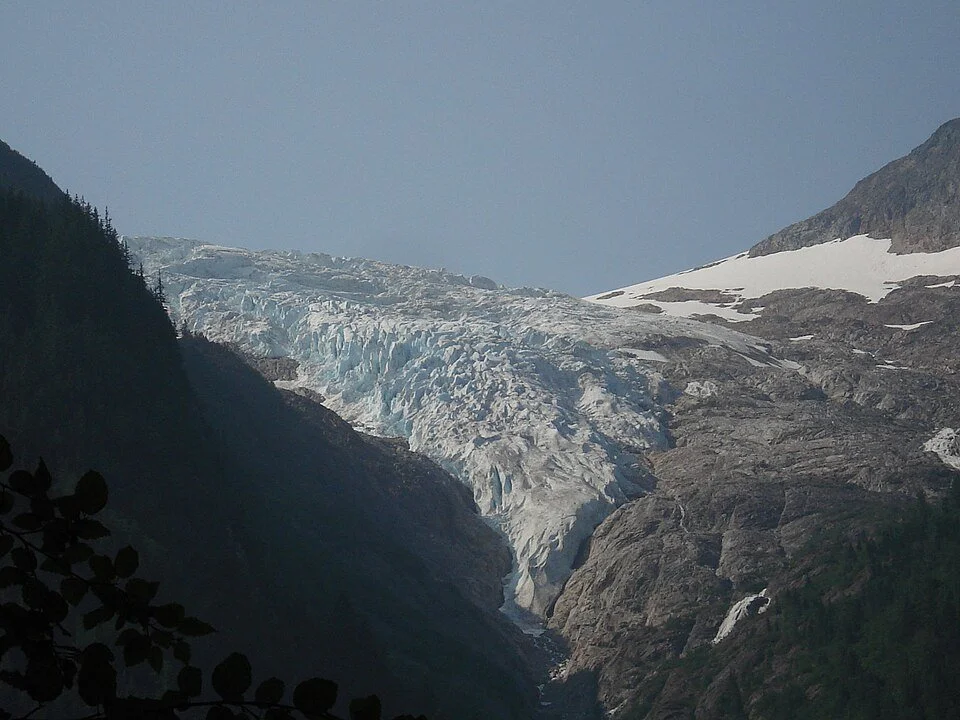
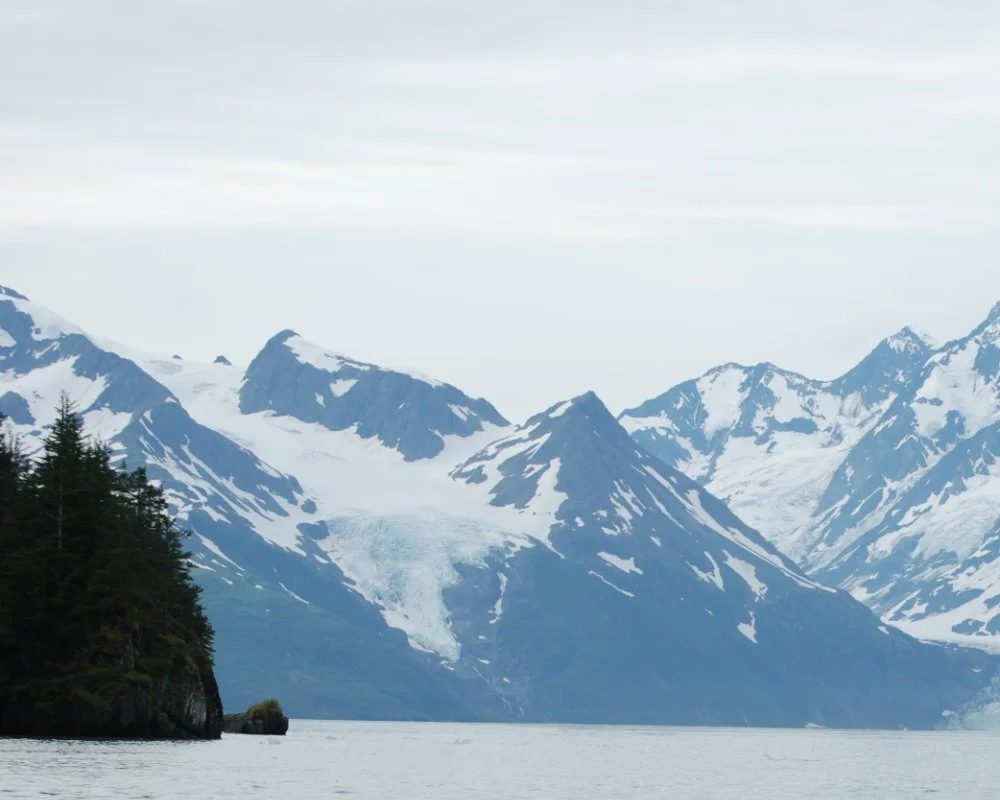
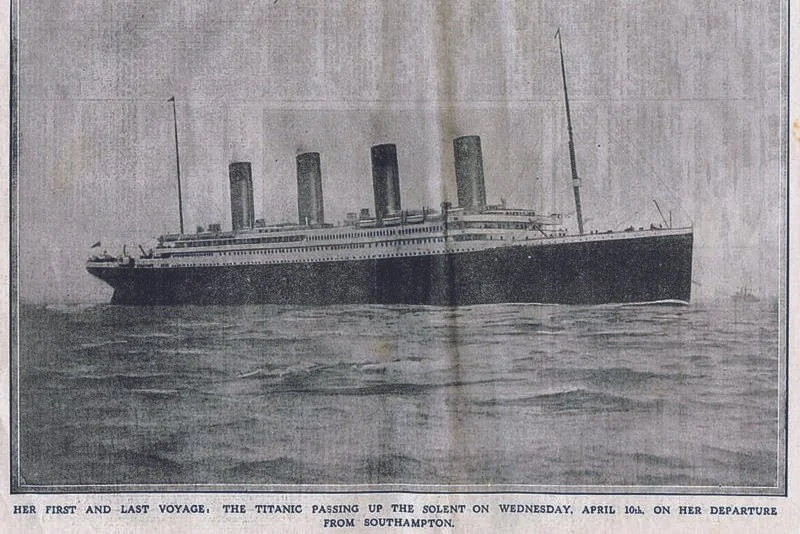
What sank the Titanic?
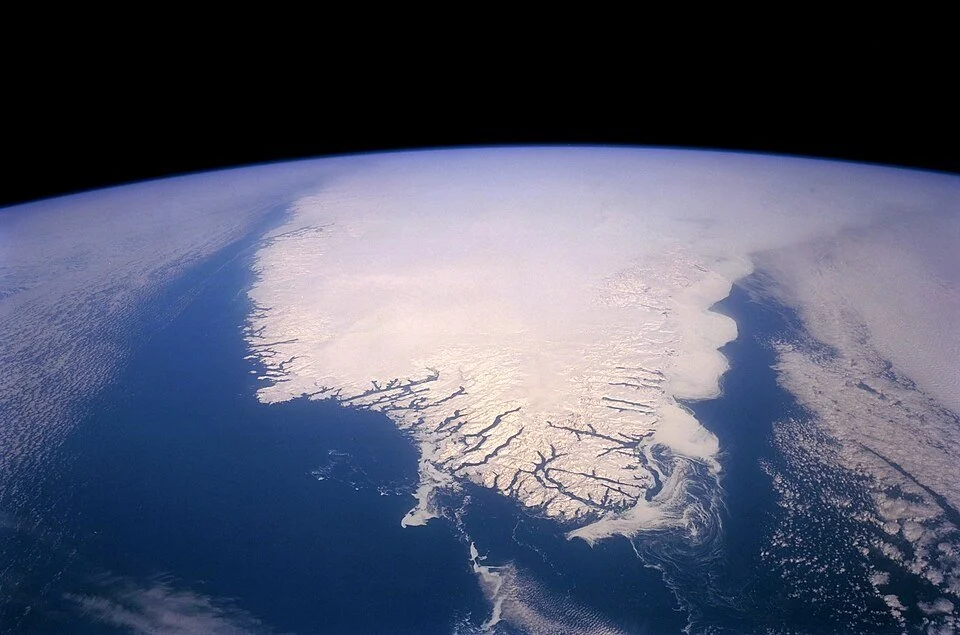
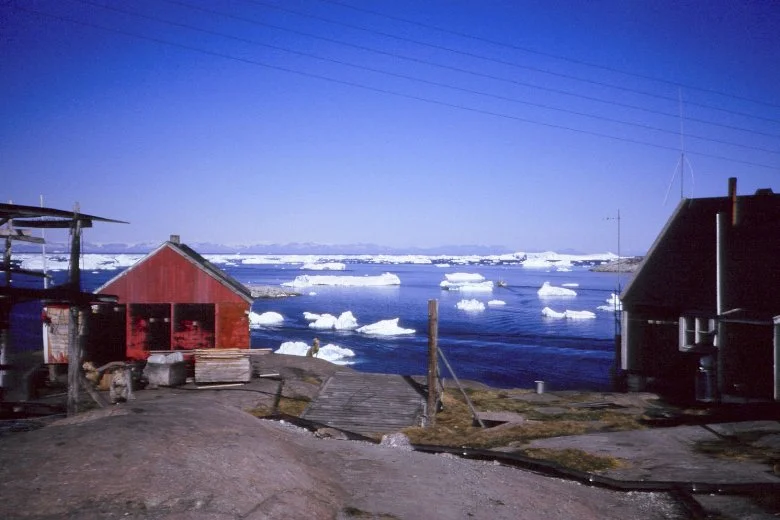
An iceberg! When glaciers reach the edge of land and extend onto the ocean, pieces sometimes break off and fall into the sea. This process is called calving. These chunks of ice can be big or small, and often drift out into the wide ocean. The Titanic collided with one of these large pieces, called an iceberg, that is thought to have broken off of Sermeq Kujalleq (Jakobshavn Glacier), a fast-moving glacier on Greenland’s west coast.
All glaciers, great and small
Antarctic ice sheet
Glaciers vary in size. How large does a mass of ice have to be before it can be called a glacier? It has to be large enough to move under gravity. And that turns out to be about 150 feet thick and 25 acres in area—that’s 22 times the size of the Museum of the Earth!
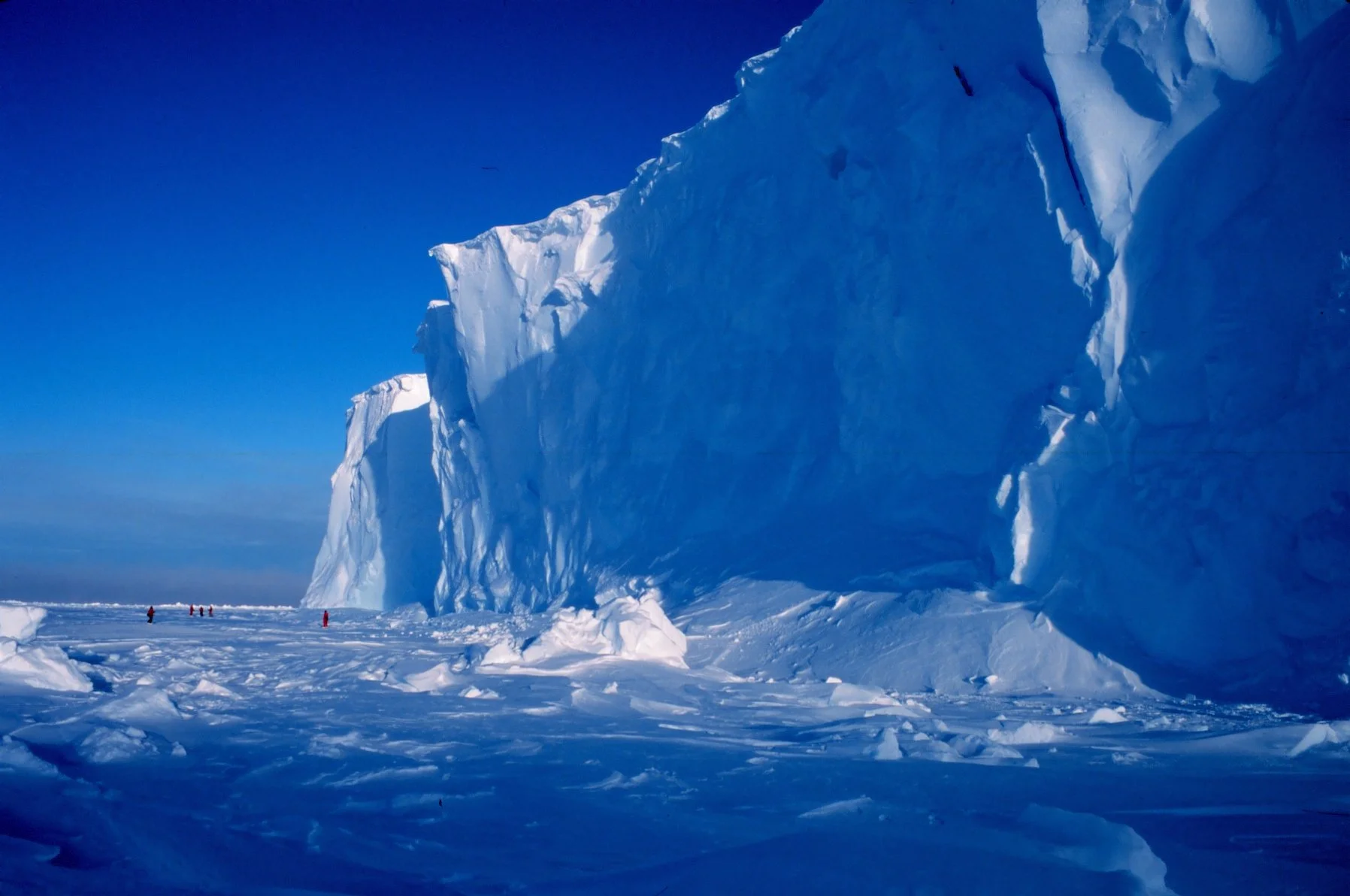
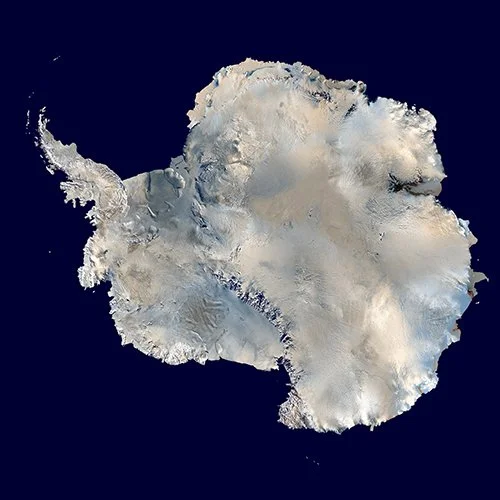
The largest glacier today is much bigger than this. The Antarctic ice sheet covers most of Antarctica and is 13,000 feet (about 2.5 miles) thick in places. This massive ice sheet holds about 60% of Earth’s fresh water.
Small flakes, big changes
Glaciers are made up of countless snowflakes, packed together over hundreds and thousands of years. The immense pressure of being buried in layers of snow compresses the flakes into ice crystals, trapping air bubbles between the crystals.
Preserved inside these bubbles are clues to Earth’s history, such as the composition of the atmosphere in the past. This includes past levels of greenhouse gases—like carbon dioxide and methane. Dust and volcanic ash are also frozen within the ice. Scientists decode these clues to see how Earth and its climate have changed.
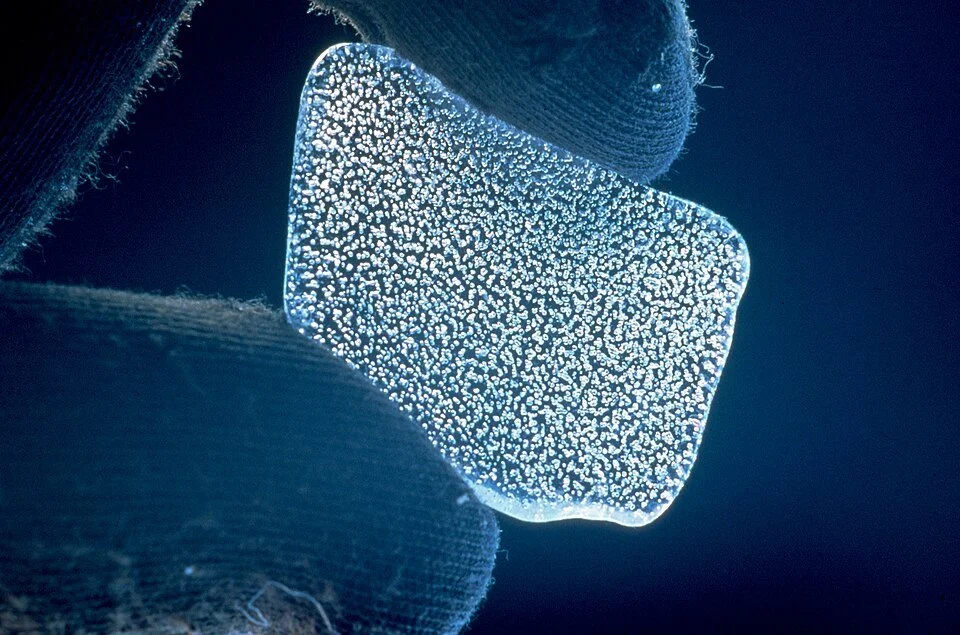
Air bubbles in ice extracted from the Antarctic ice sheet. Photo: CSIRO (CC BY 3.0) via Wikimedia Commons
What color is a glacier?
Underneath a glacier’s surface, or where the surface has recently broken, the ice is sometimes a brilliant blue. Why? Glacial ice becomes tightly compacted over time, squeezing air bubbles and increasing ice crystal size. As a result, the ice absorbs all colors of light but blue, which is reflected back to our eyes.

Glacial ice in Patagonia. Photo by Warren Allmon
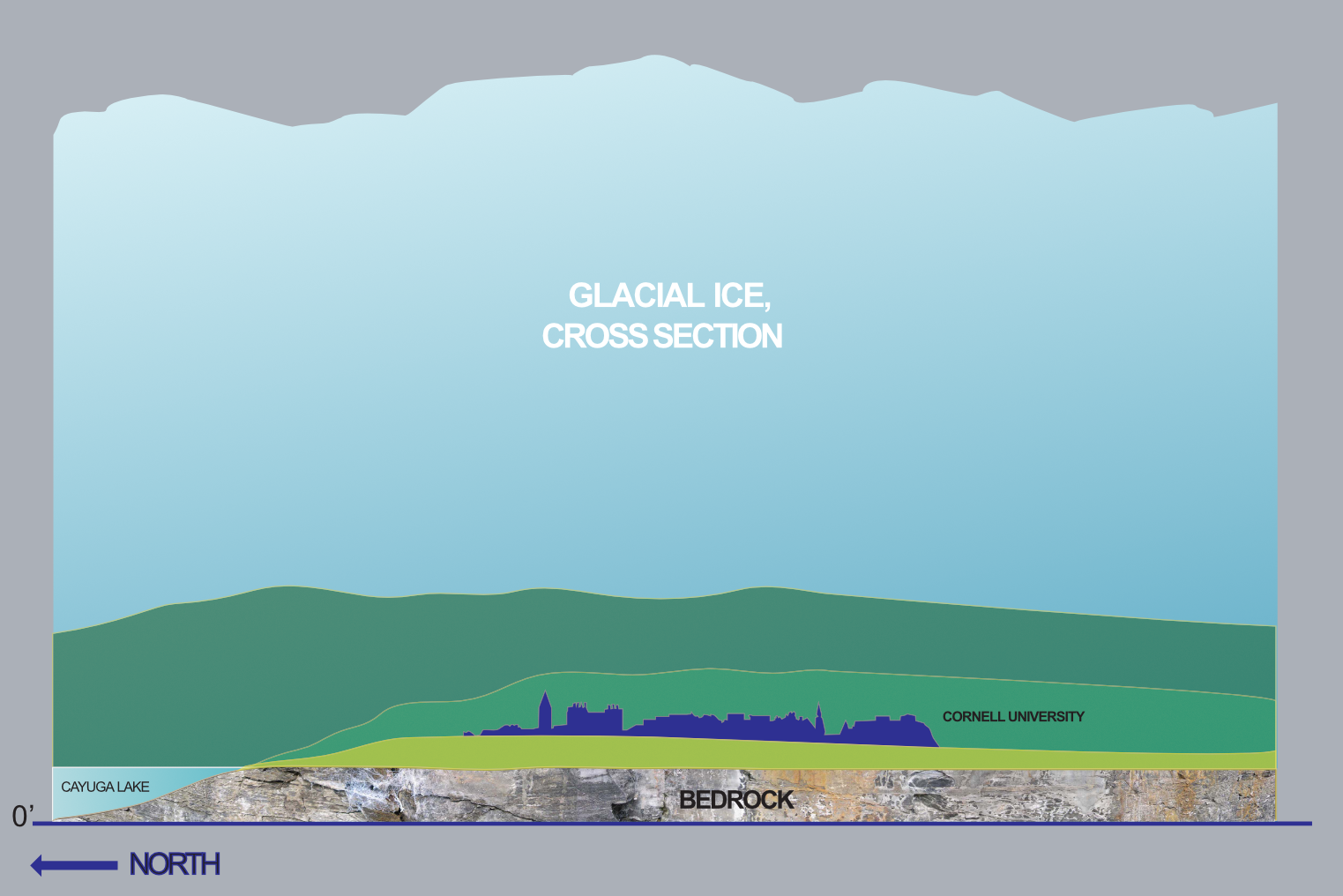
Diagram showing the scale of the most recent ice sheet to cover what is now Ithaca, relative to Ithaca’s hills and buildings.
Did you know that a glacial ice sheet, called the Laurentide Ice Sheet, covered Ithaca until about 18,000 years ago? It may have been as much as one mile thick, from top to bottom.
Ice cores
An ice core is a vertical sample of ice that contains layers of information accumulated over thousands, to hundreds of thousands, of years. Layers at the bottom of the core are older than layers on top. Scientists examine air bubbles and particles trapped in the ice, and even the ice itself, to reconstruct the past.
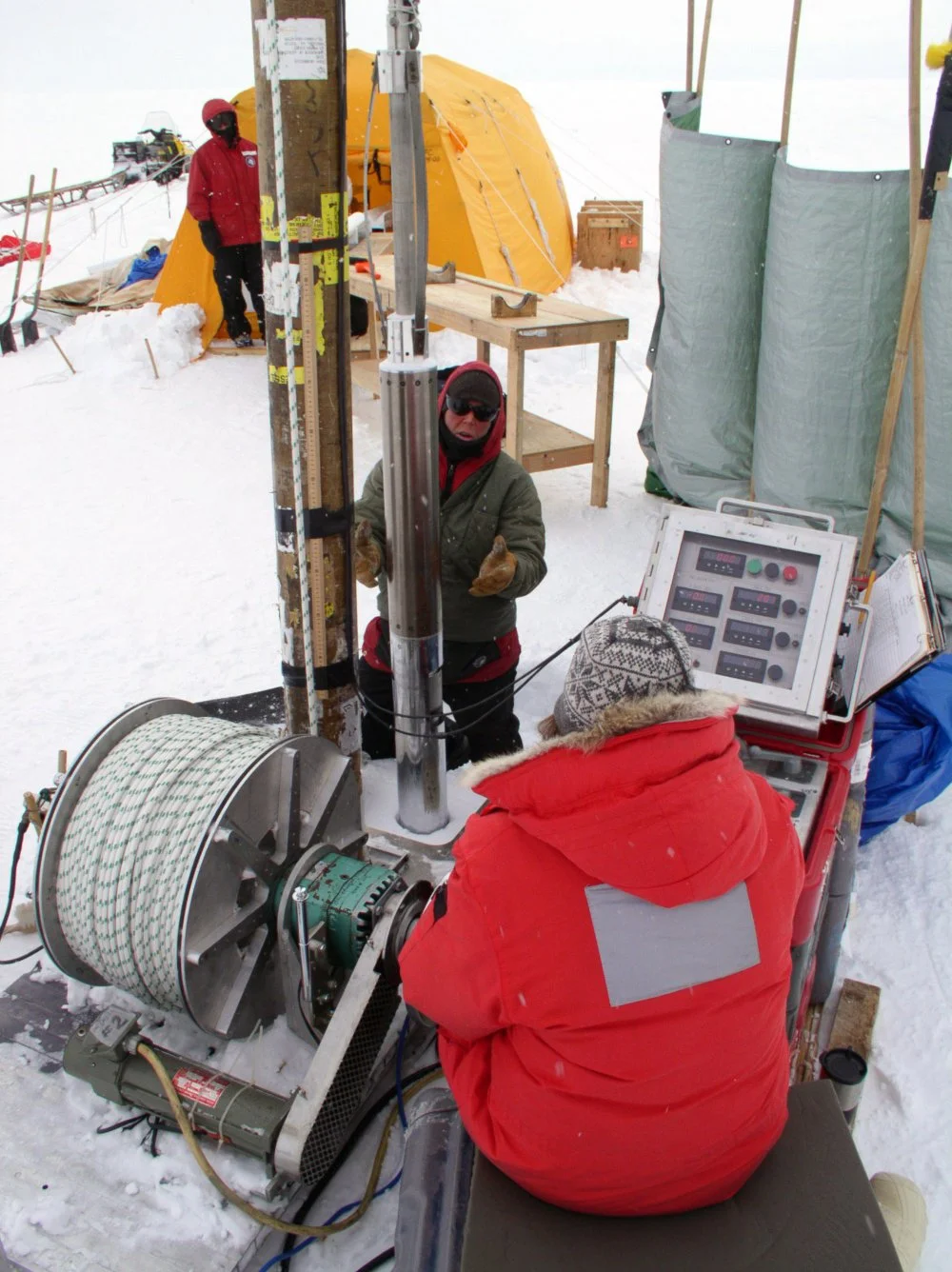
Ice core drilling equipment in Antarctica. Photo by Mark Dreier for the West Antarctic Ice Sheet Divide Ice Core project.
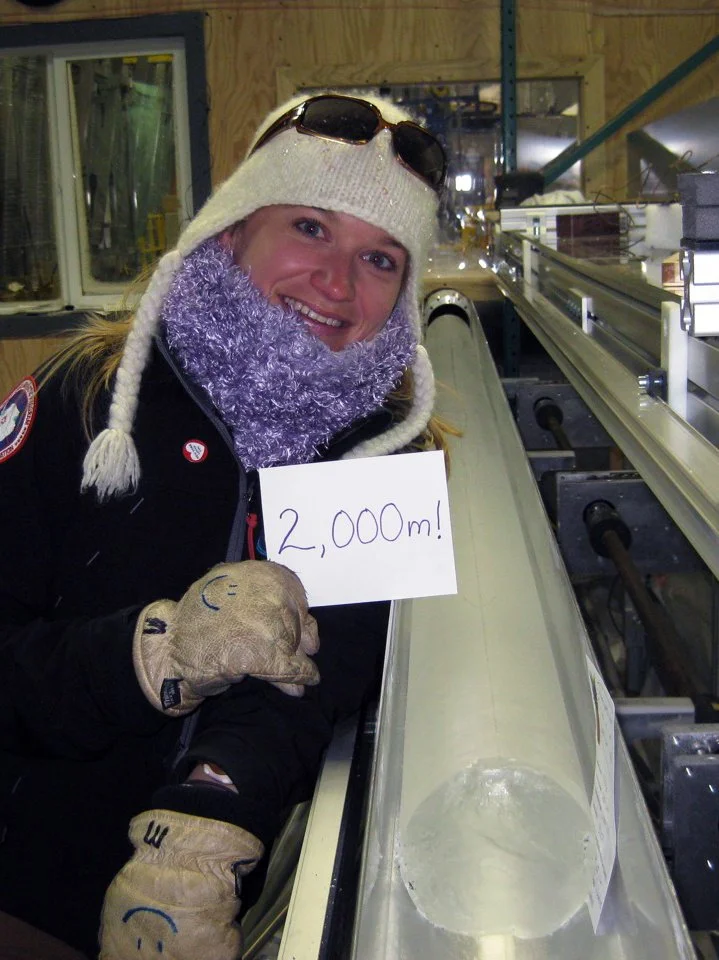
Scientist processing an ice core in the field, with recognition of drilling having reached a depth of 2,000 meters into the ice sheet. Photo by Kristina Slawny for the West Antarctic Ice Sheet Divide Ice Core project.
The image to the right is part of an ice core from the Greenland ice sheet. What can it tell us?
Annual layers: See the light lines and the dark lines? These tell us about the seasons. Summer and winter layers differ in Greenland because in the summer, the surface warms, giving the snow a different texture than that which accumulates during the cold winter. Chemical analysis of the ice itself can tell us about past temperatures.
Dust: Dust particles that settle on the ice sheet get trapped in the glacial ice. Scientists study these particles to learn about the climate and environmental conditions from the time when the dust fell. For example, high dust concentrations can indicate high volcanic activity.
Air bubbles: Within the glacial ice are trapped air bubbles. These contain gases such as carbon dioxide and methane. Scientists analyze these gases to determine the chemical composition of Earth’s atmosphere at the time the bubbles formed.
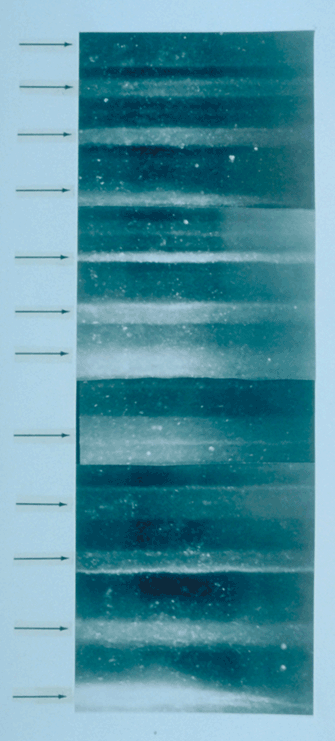

Photo of annual layers in a section of ice core from the Greenland Ice Sheet Project 2 (GISP2). The section is 19 cm long and comes from a depth of 1855 meters below the ice sheet surface. The core shows the annual layer structure illuminated from below by a fiber optic source, and contains 11 annual layers with summer layers (arrowed) sandwiched between darker winter layers. Image: National Ocean and Atmospheric Administration (public domain) via Wikimedia Commons.
Acknowledgements
This exhibit was made possible by a grant from the U.S. Institute of Museum and Library Services, the Tompkins County Tourism Program, Wegmans, PRI Trustees, and community support. The online version of this exhibit was made possible by support from the National Science Foundation.
The exhibit was made with the assistance of:
Bryan Isacks
Marjorie Olds
Dan Karig
Steve Whitmeyer
Tom Cronin
Laura Faye Tenenbaum
Beth Stricker
Kelly Cronin
Leon Apgar
Rob Ross
Ingrid Zabel
HOLT Architects
LeChase Construction
Adirondack Studios