

Science on Ice
Learning about the past and gazing into the future
Although glaciers are always in flux, most of the world’s glaciers are retreating at rates faster than ever before in recorded human history. Humans, and other living things, will have difficulty adjusting to this increased rate of change. The records preserved in glacial ice help us understand the history of climate change. We can use this knowledge to see how humans have impacted the climate and to predict what changes are still to come.
Scientists estimate past temperatures and greenhouse gas concentrations by looking at data from ice cores, tree rings, and sediment deposits. They use this information to reconstruct how temperature has changed with variations in atmospheric greenhouse gas concentrations in the past, and to improve predictions about global temperature rise in the future.
Scientists also use what we know about greenhouse gases, Earth’s atmosphere, oceans, land, plants, and ice to create computer simulations, or models, of Earth’s climate. These models are used to predict the effects of different levels of greenhouse gases in the atmosphere.
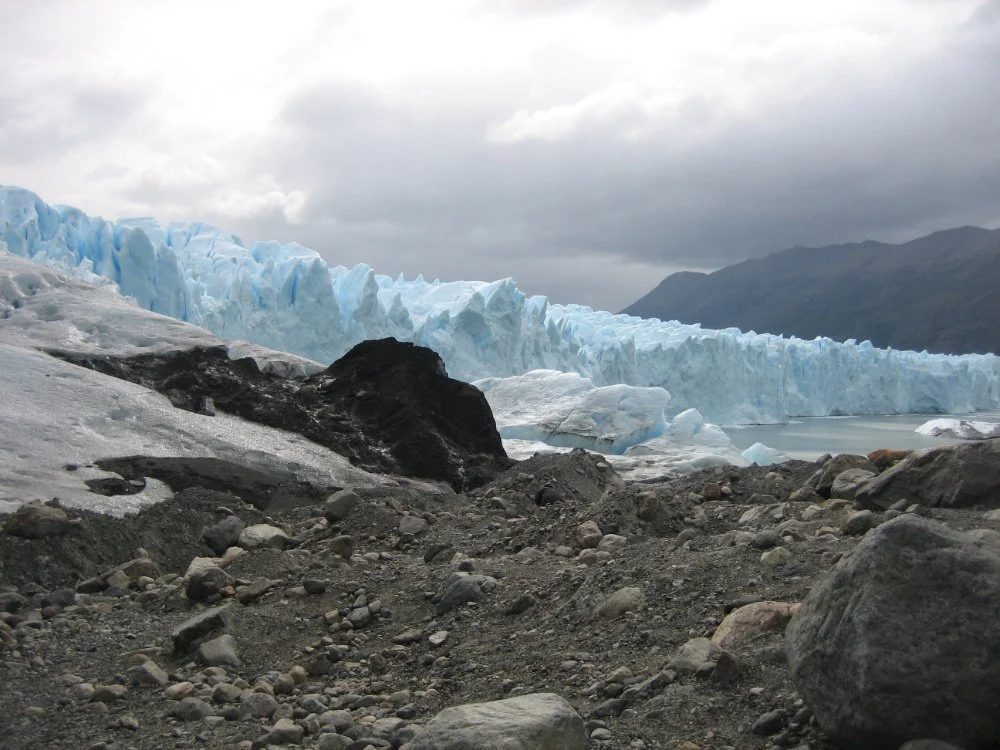
Perito Moreno Glacier in Parque Nacional Los Glaciares, Argentina. Photo by Warren Allmon, March 23, 2011.
Both climate reconstructions and computer models agree: if humans continue to increase the amount of greenhouse gases in the atmosphere, we will significantly warm our climate.
Ice cores
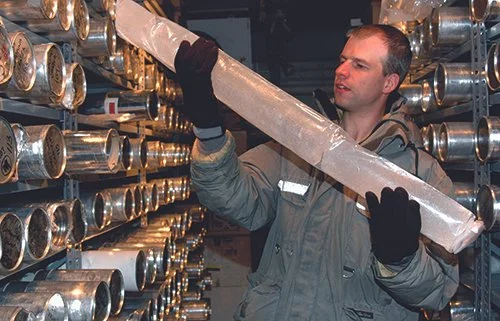
Because glaciers contain so much information about the past, scientists can examine them to discover even small details about Earth’s history. Like tree rings, some glaciers have annual layers that reveal subtle changes in temperature, atmospheric composition, and more. Besides the ice itself, countless tiny air bubbles, along with bits of pollen, dust, and ash are trapped within different layers of a glacier. What can we learn from each of these?
The types of hydrogen and oxygen atoms in the ice itself contain a record of the temperature of Earth’s atmosphere at the time the ice formed, giving us a window into past climate history.
Plant pollen can tell us about climate-related changes in plant communities, for example, in vegetated areas near mountain glaciers. It can also tell us about ancient patterns of atmospheric circulation.
Dust consists largely of minute mineral grains picked up by wind in dry (arid) areas. The amount of dust in ice core layers is a record of global aridity and air currents.
Ash traces in an ice core can give us information about past volcanic activity.
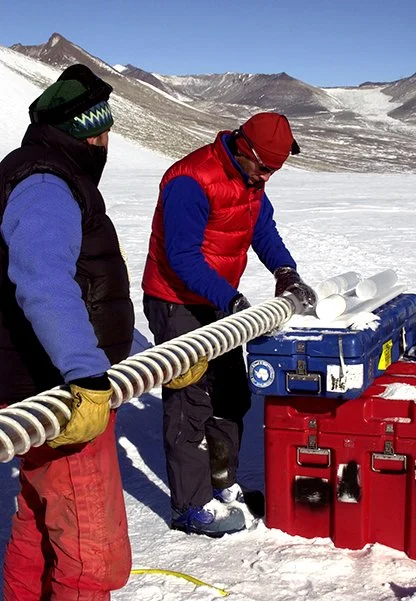
Photo of scientists in Antarctica, courtesy of Emily Stone, National Science Foundation
Clues in local lakes
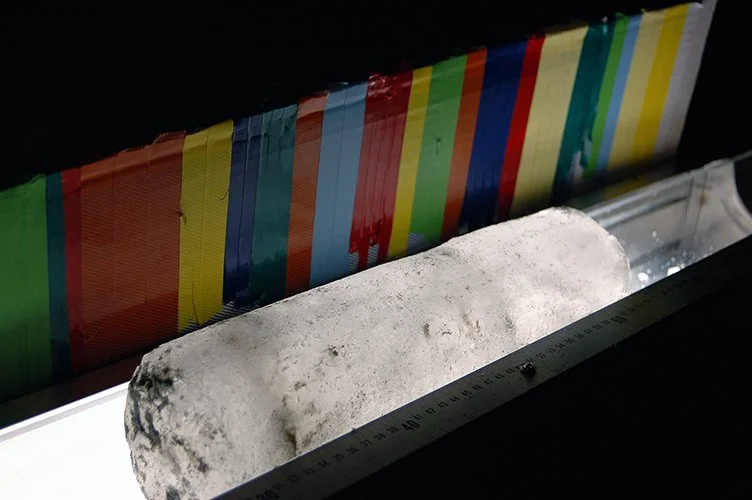
An ice core is just one of many ways to learn about the past. Sediment cores taken from the bottom of glacial lakes is another. In most lakes, sediment that settles to the bottom varies seasonally, due to changes in production of plant and other organic materials, or runoff carrying more sediment from the shore. These variations appear as light layers and dark layers, and each pair is called a varve and represents one year of sediment deposits. Like ice cores, studying the composition of the layers gives us information about a specific period of time.
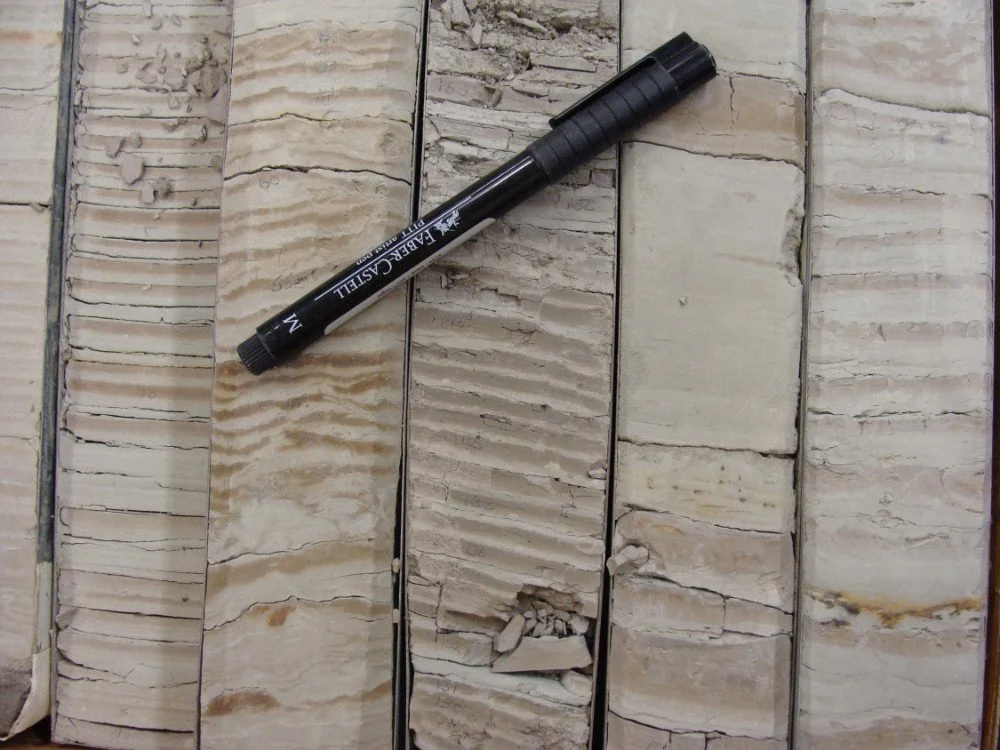
Varves from the Victor E. Schmidt collection at PRI
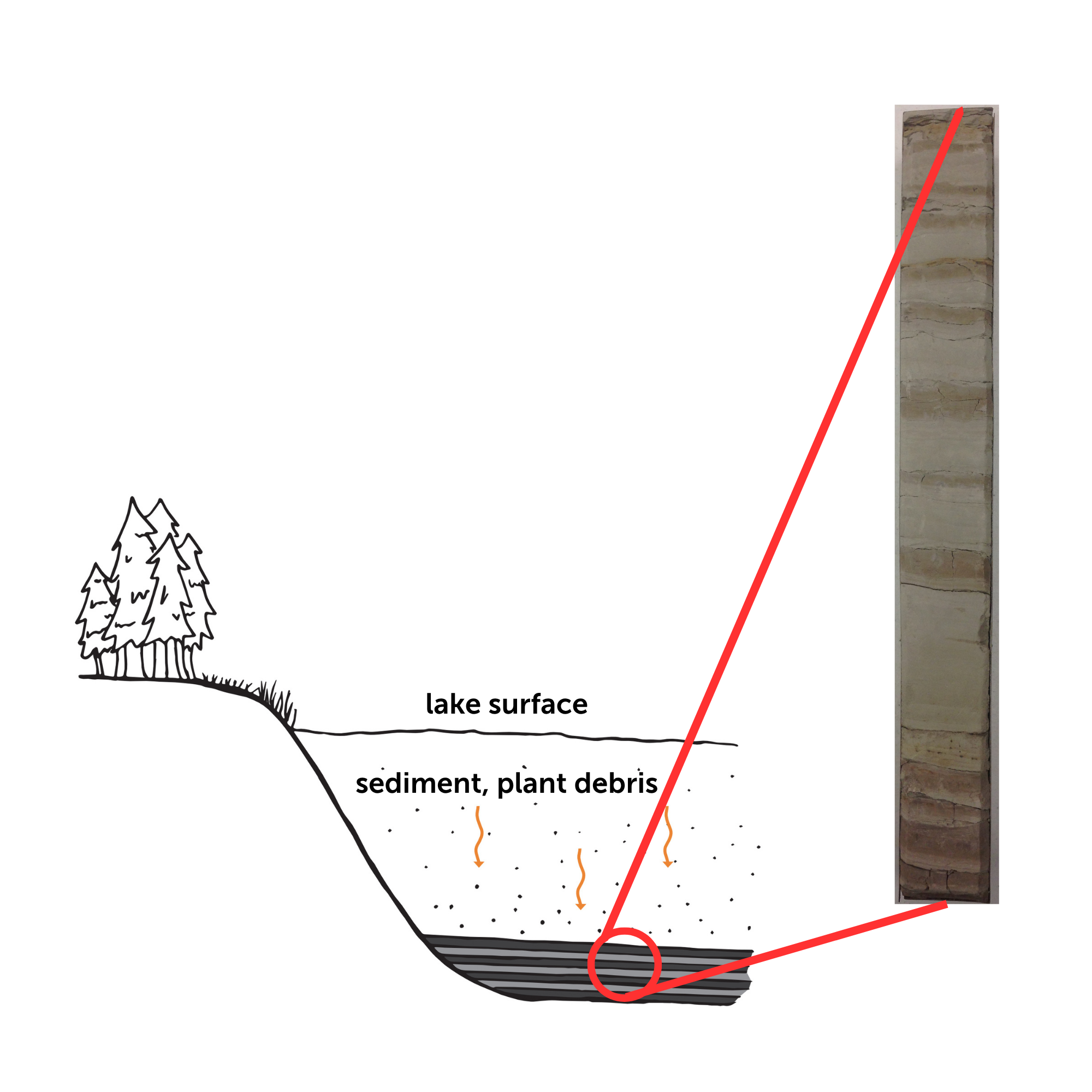
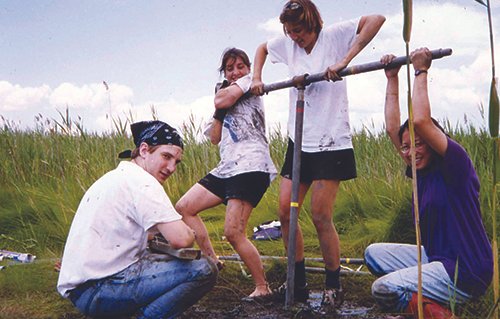
Coring for varves. Photo courtesy of Dorothy Peteet
Scientists use the contents of varves to learn about the past.
Fossils, pollen, and other findings help to reconstruct past climates. Varves, along with layers of clays, silts, and gravels from Six Mile Creek southeast of Ithaca, provide insight into the history of glaciation in the Finger Lakes. Carbon in plant material found in the varves date one glacial lake to between 34,000 and 38,000 years old. The varves tell us that this glacial lake was in front of an advancing ice sheet.
The types of plants and fossil beetles found in the varves show that the surrounding area was covered by a tundra and that the average summer temperatures were between 50° and 54° F (10° to 12° C), 18° to 25° F cooler than they are today.