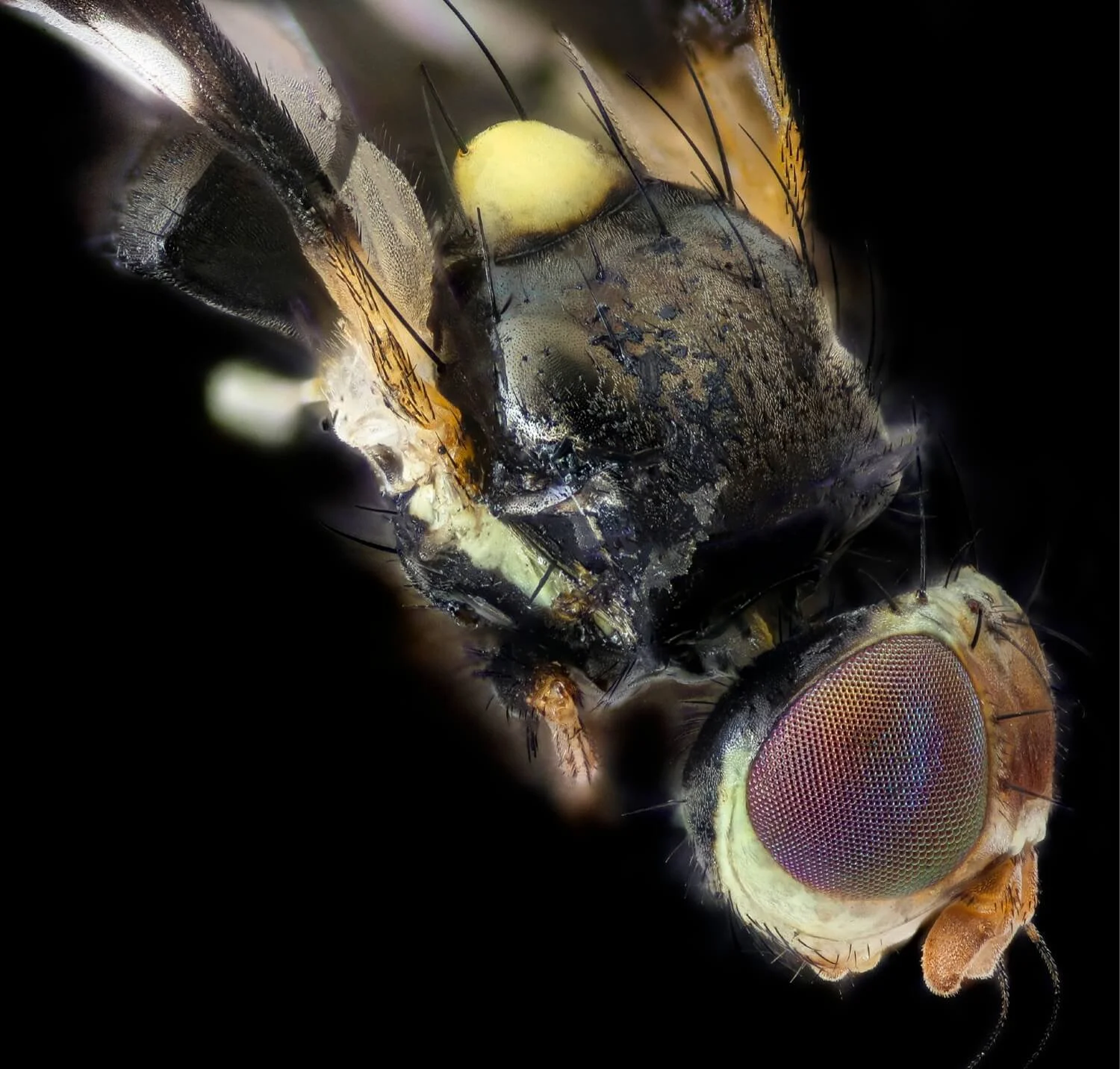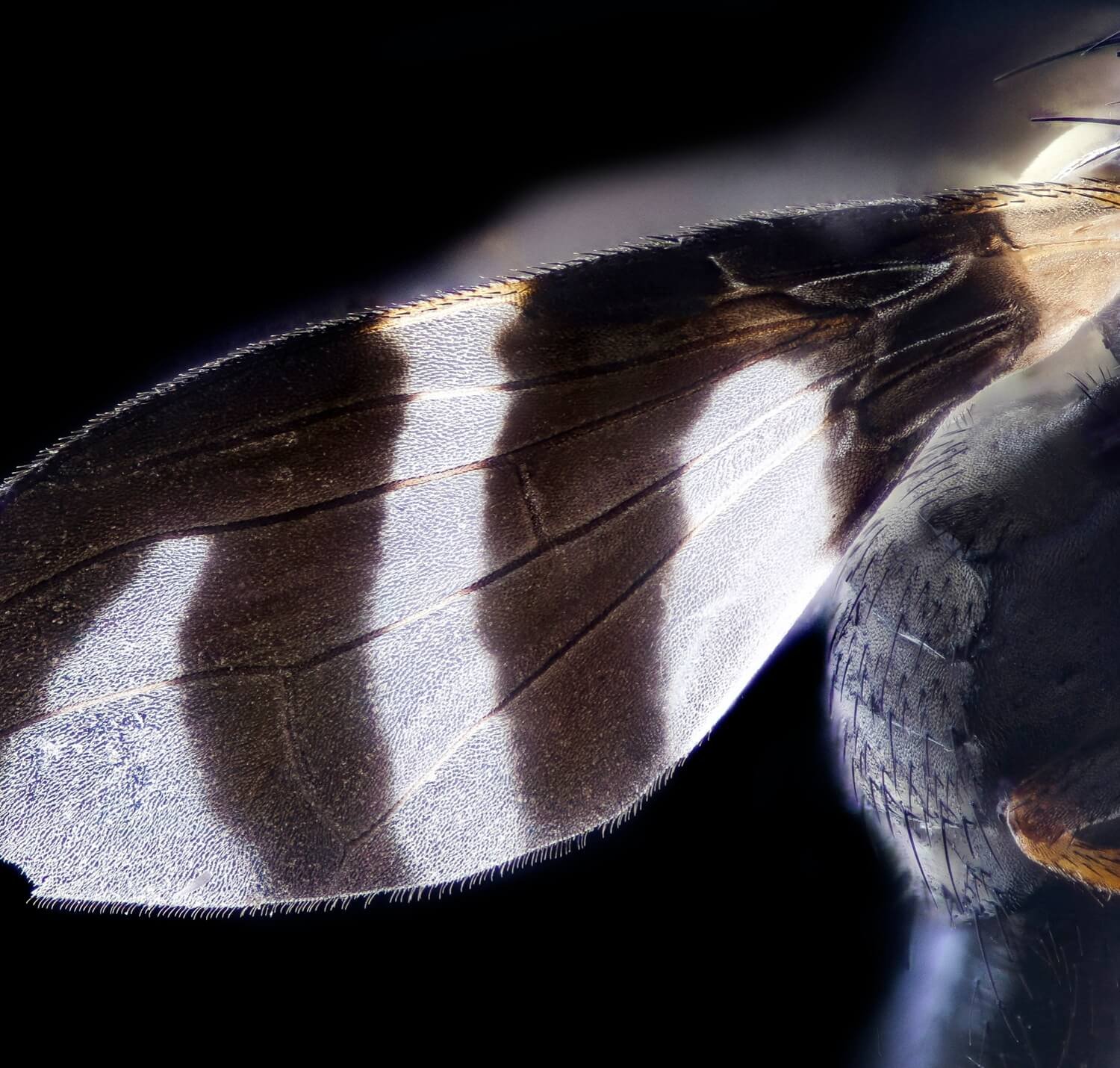

Growth Of CUIC
A History of the Cornell University Insect Collection
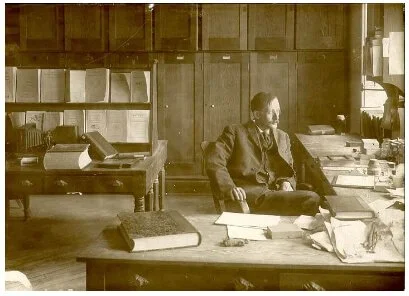
Mac Gillivray served as the first curator after Comstock when the collection was housed in White Hall, one of the three original Cornell University buildings.
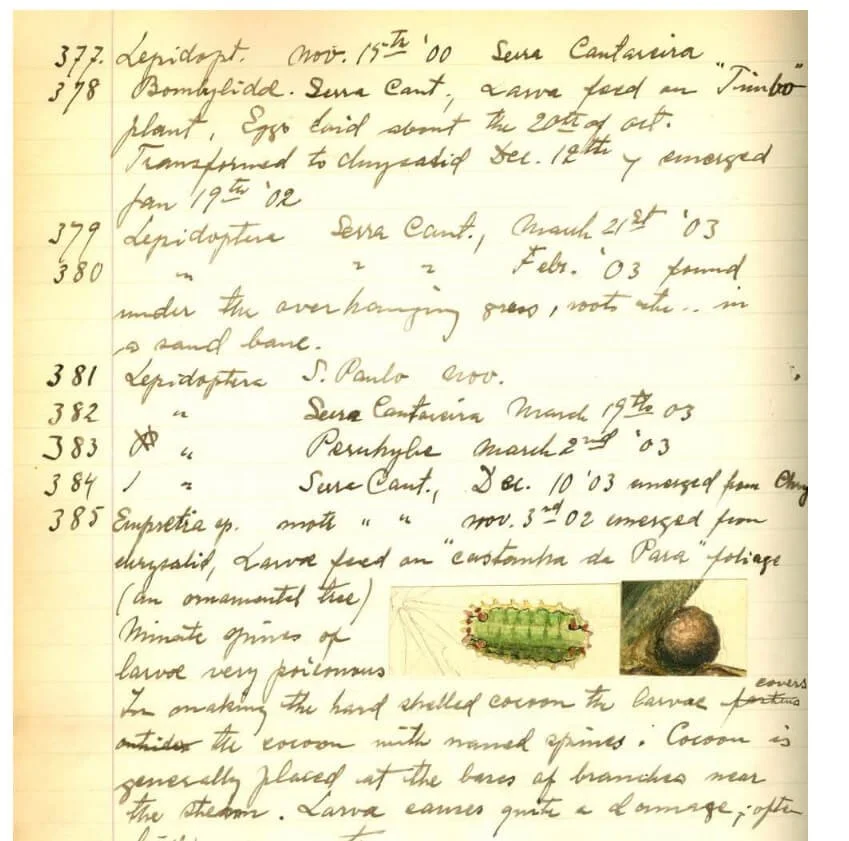
Early specimens were recorded in hand-written lot books. As an example, this page shows information associated with specimens collected by A. G. Hammar near Sao Paulo, Brazil, from 1900-1903.
The very first specimens that started the CUIC were donated by Professor Burt Green Wilder. From there John Henry Comstock, the founder of the CUIC, and Professor Mark Slingerland conducted research on a variety of agricultural pests in NY and dramatically grew the collection with their research vouchers, which is a specimen that serves as the proof of work that has been done in the study.
Around the turn of the twentieth century, a large cohort of entomologists traveled the world by motor car, steam ship, and eventually by air to dramatically broaden the geographic coverage of the CUIC. Much of the collecting was done by world-renowned experts with specific insect groups in mind like aquatic species (James Needham), flies (Oskar Johannsen, Clifford Berg), wasps (James Bradley), moths (William Forbes), and beetles (Henry Dietrich). Even major world events had Cornell entomologists collecting where they were located, like excavation sites for the Panama Canal and the Pacific Theatre during WWII. The specimens collected on these expeditions are especially important, as many of the places they came from have since been urbanized or converted to intensive agriculture. They are still used to this day to document and describe new species.
The CUIC also purchased several European insect collections with a heavy focus on agriculturally important species. This happened decades in advance of our understanding of the effect of invasive species on our society and environment. Because of this, we have a large reference collection to help us rapidly identify new potential invasive species. We are also strongly connected with the network of collections and researchers around the world. Exchanging specimens has helped us gain global coverage in our holdings, including places which are challenging to collect from today, like North Korea and Iran.
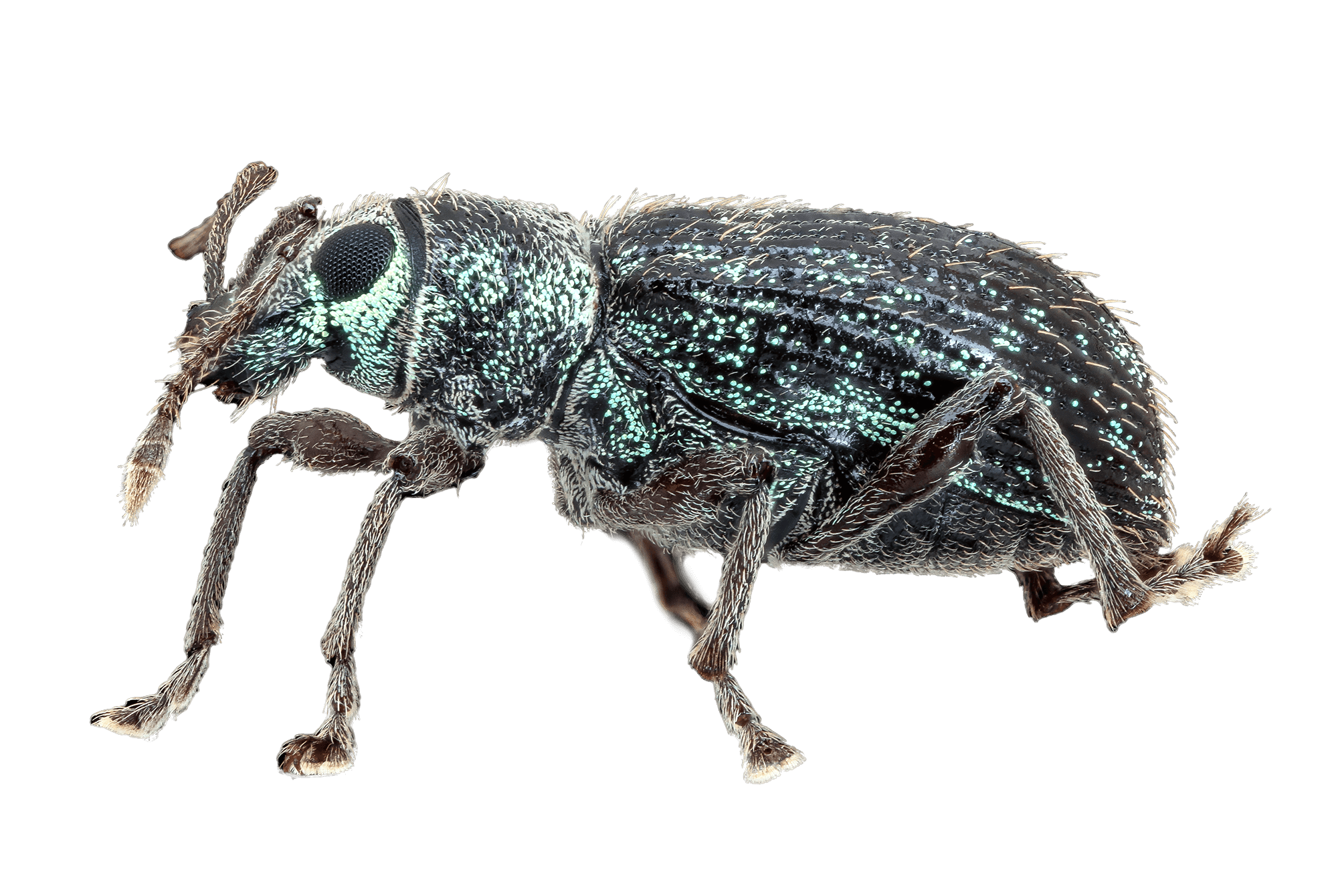
Short-Nosed Weevil
(Curculionidae: Entiminae)
Did You Know 🔍
Does insect collecting contribute to global decline?
With very rare exceptions, scientific studies consistently show that collecting insects has no effect on their populations. This is due to insects’ incredible reproductive rates, typically producing many hundreds of offspring. The true threats to insects lie elsewhere.
Acquiring Collections
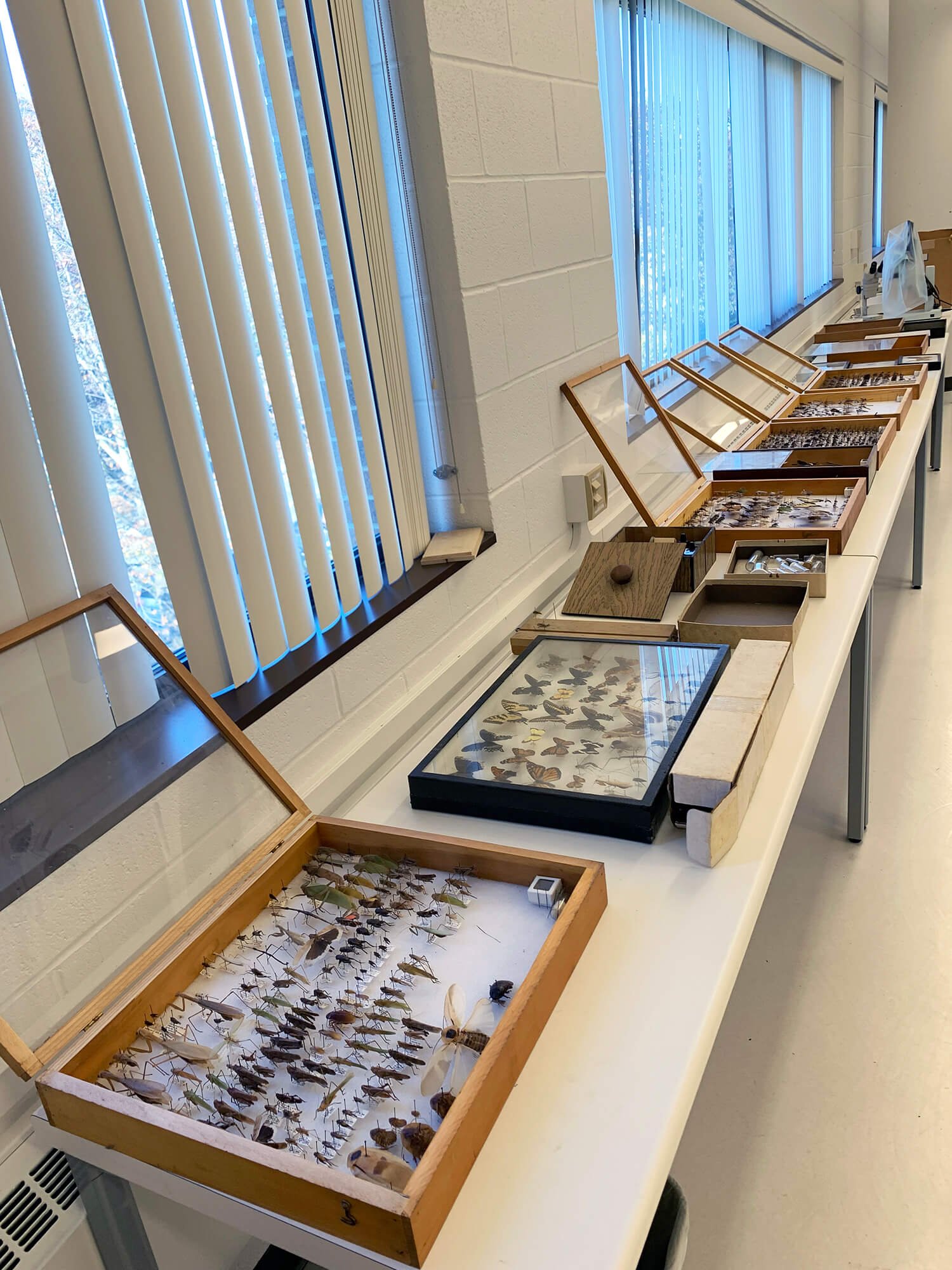
In the modern era, the CUIC grows mainly by acquiring collections. These can be small family collections built from curiosity about the natural world, or many hundreds of thousands of specimens built from a life-long career in entomological research. All collections have their value, and have helped build the CUIC since it was founded.
All modern research involves depositing research vouchers, which are specimens that serve as the proof of the work that has been done in a study, in a collection. In the future, researchers may want to go back and look at the specimens, perhaps to compare them to other material or to verify the identification if there has been a taxonomic change since publication.
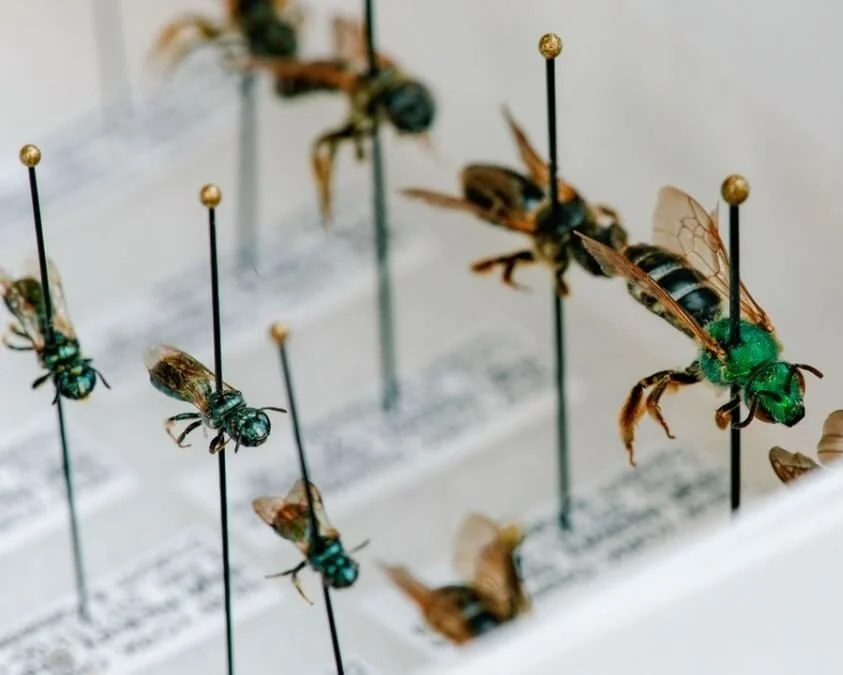
A tray of undetermined species of Halictidae sweat bees.
When do you know if you have collected enough?
We are sometimes asked: When do you know if you have collected enough? THE ANSWER IS NEVER!
As our landscape and climate changes, we need to keep collecting to track the way biodiversity is affected. The specimens we collect today are not only useful in comparison to collections made years ago, but are also important for studies done into the future. These same data can document changes in geographical distributions of various species, including new invasive species. Environmental transitions can modify a species’ characteristics, like body size, or cause the development of new traits. This can only be documented with frequent collecting. Collecting also helps us discover undescribed species, and further document morphological variation and life history traits. In recent years, newly-collected specimens have proven to be vital in DNA-based studies, and we can’t predict what new uses fresh material will have in the future.
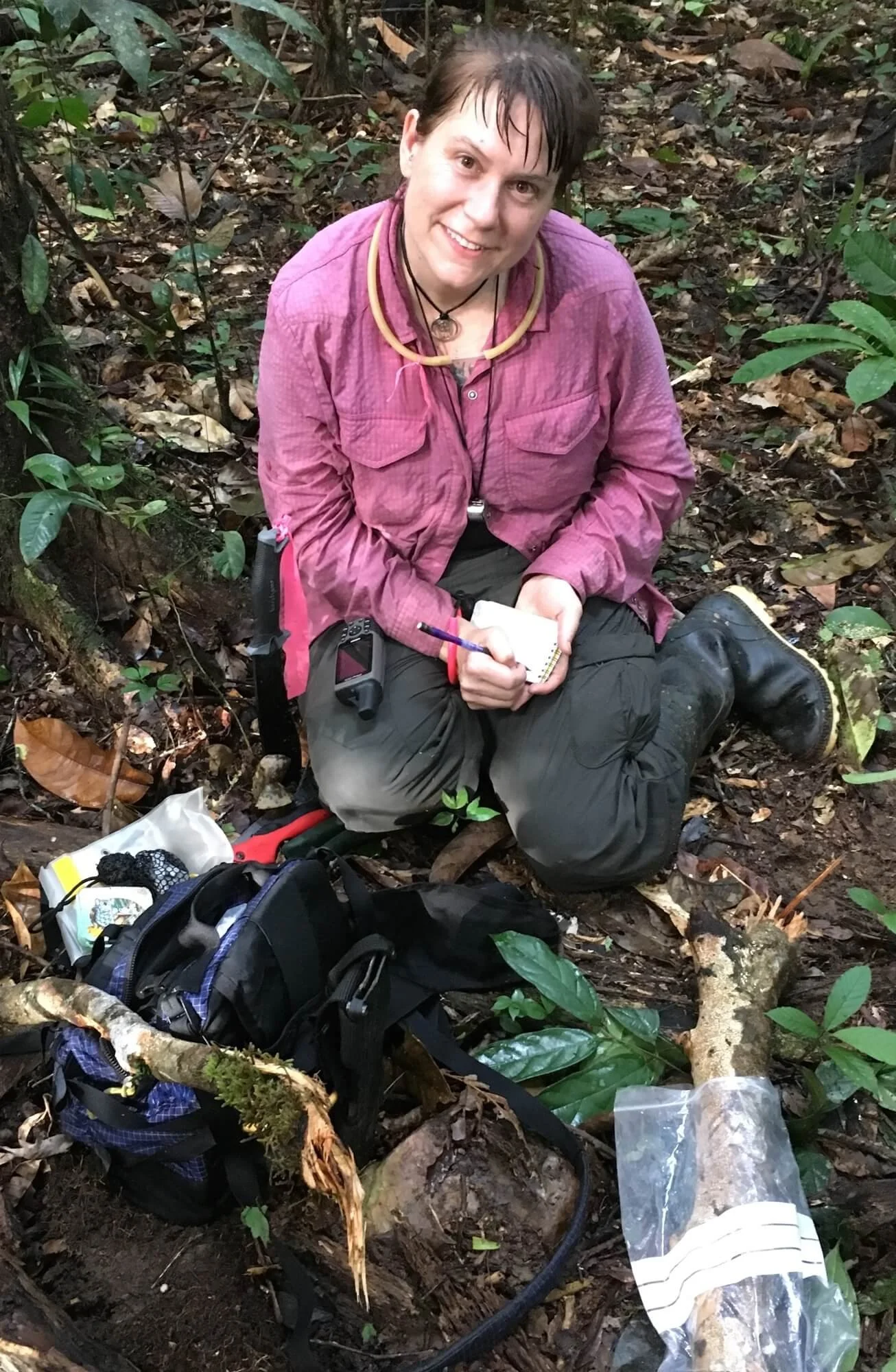
Director and Head Curator Corrie Moreau collecting ants in the rainforests of French Guiana.
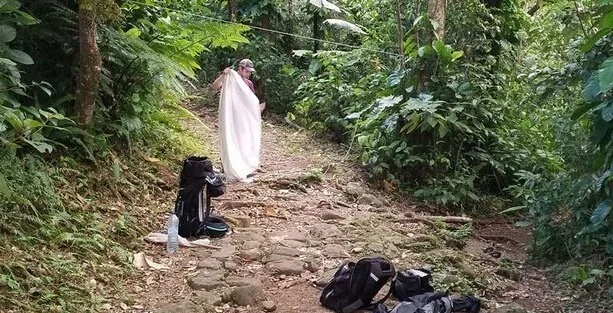
Graduate student Kyhl Austin setting up for a night of mothing in Guadeloupe.
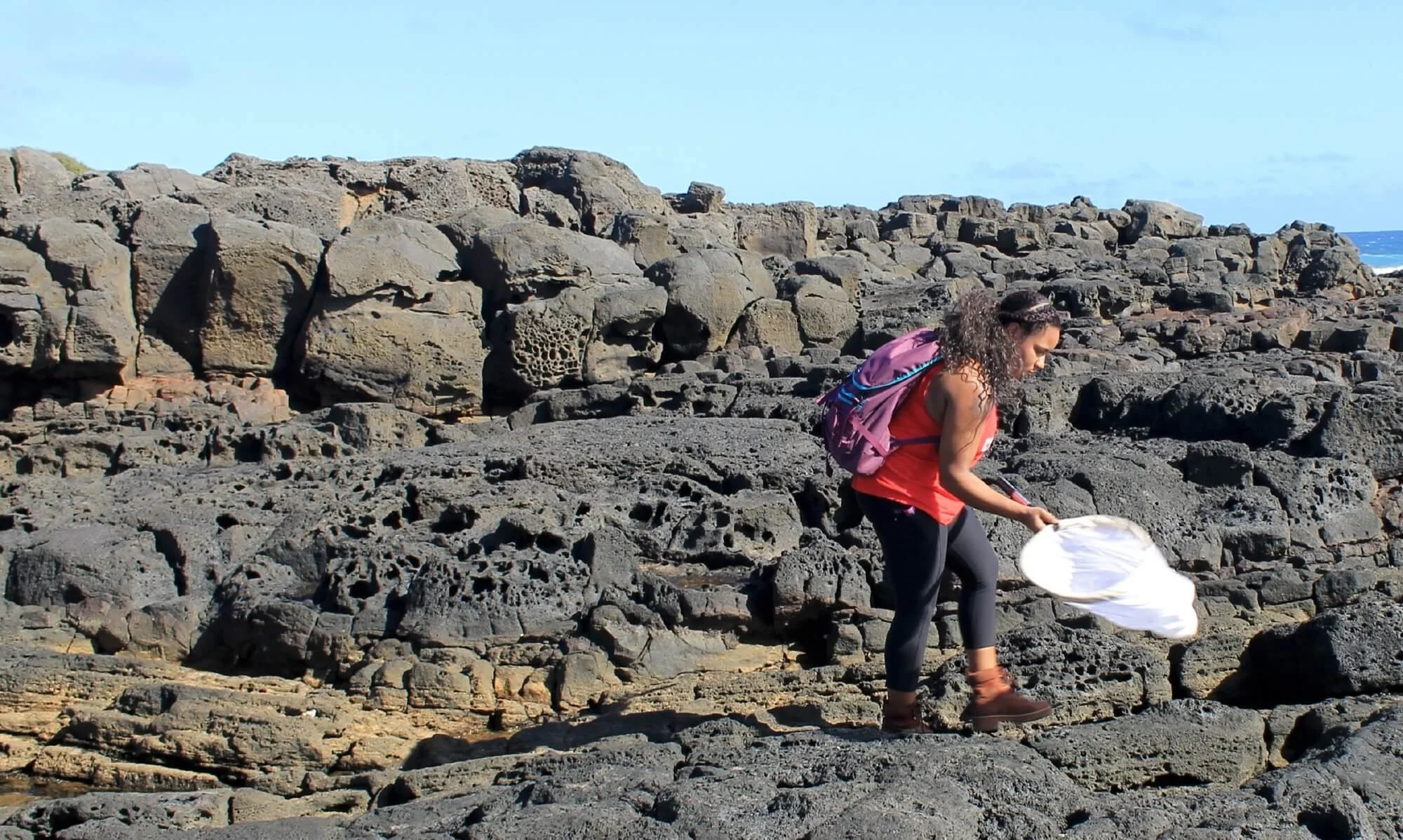
Graduate student Kyla O’Hearn collecting flies on lava rocks in Hawai’i.
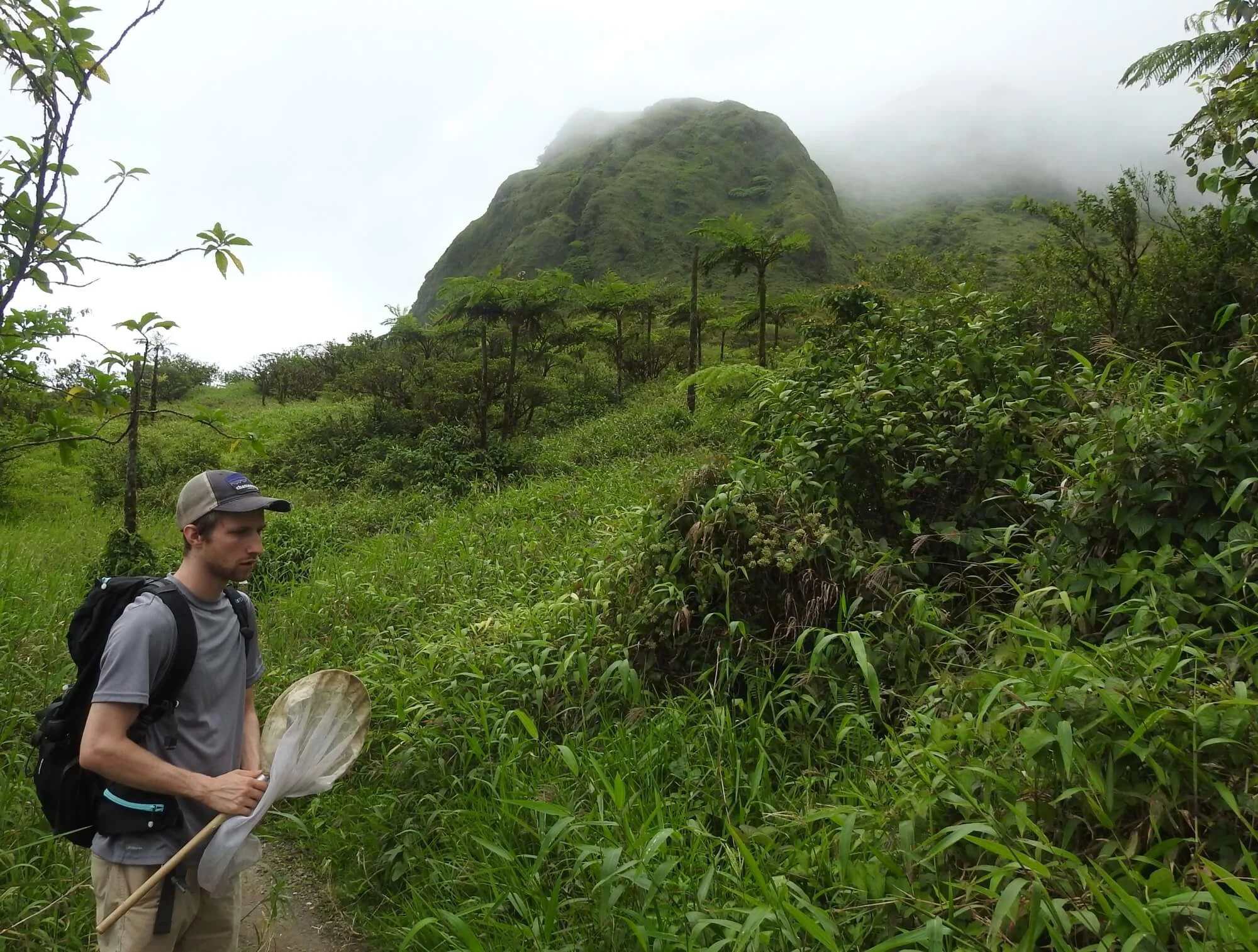
Kyhl Austin hunting for diurnal moths in Martinique.
Researchers enjoy doing fieldwork to obtain new specimens. Current fieldwork varies in every aspect imaginable: how far away it is, how much physical exertion it takes, and how many specimens come back. Typical work starts months in advance, especially when navigating complicated permitting processes. After travel is arranged, a local contact often assists with logistics. In many countries, the first and last few days of a trip are typically devoted to attaining collecting and export permit paperwork in various government offices. The fieldwork varies from actively seeking out insects to placing passive traps, but is usually a combination of both. After making detailed notes, the majority of specimens are prepared immediately after they are collected. The remainder are prepared after the trip and then receive formal labels. Researchers usually collect many specimens that are not useful directly to their own research, because these may be useful to other researchers far into the future.
Tools to Collect Insects
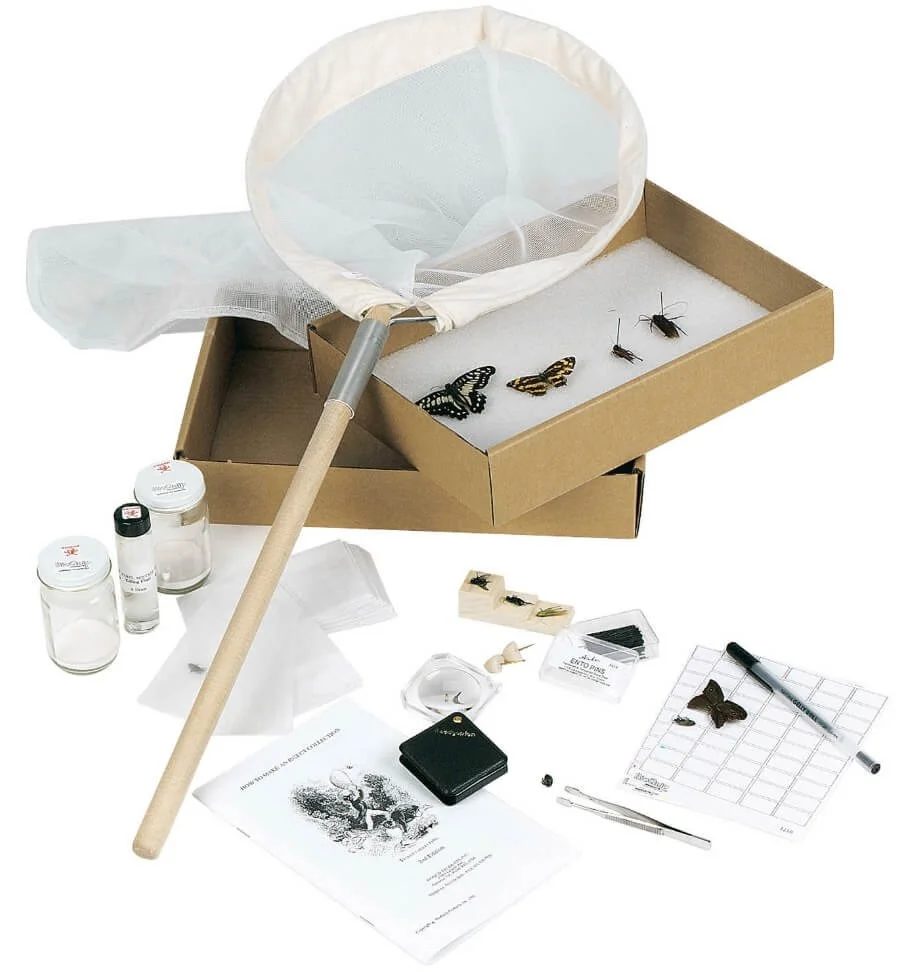
Insects occupy every habitat and have many different means of travel, so the tools that entomologists use to collect them are just as diverse.
Many are familiar with the butterfly or insect net, but what about an aspirator to suck up crawling insects? There are also beating sheets to collect insects off of vegetation, lights to collect night-flying insects, pitfall traps to collect ground-crawling insects, Malaise traps to collect day- and night-flying insects, forceps of all sizes to catch crawling insects, sticky traps to collect potential pests, pheromone traps to target specific species, and many other tools.
Since some insects fly, some live in water, and some live in plants, entomologists need to use the right tools for the job. For example, an insect net is used to catch flying insects like butterflies and dragonflies, whereas an aspirator is great to suck fast-moving crawling insects into a storage container. For slower-moving insects, an entomologist can use forceps or tweezers. If the insect is tiny or soft bodied and could be crushed by forceps, a paintbrush wet with alcohol can easily collect them. These are all examples of active and often targeted collection tools and techniques.
Passive traps and indiscriminate tools can be very effective for hard-to-find insects. For example, pitfall traps are often used to capture ground crawling insects. For insects that live in dense leaf litter, you can use a sifter to shake the small debris into a container. Many insects fly during the night, when using an insect net would be difficult. Hanging a large white sheet with a light to attract the insects can be very effective in dark conditions.
Regardless of whether you are doing active or passive collecting, you need your field notebook handy to record the location where you collected the insect, the date, and any important observations about what the insect was doing or eating when it was collected. Most entomologists also carry a GPS unit with them so they can include the precise location.
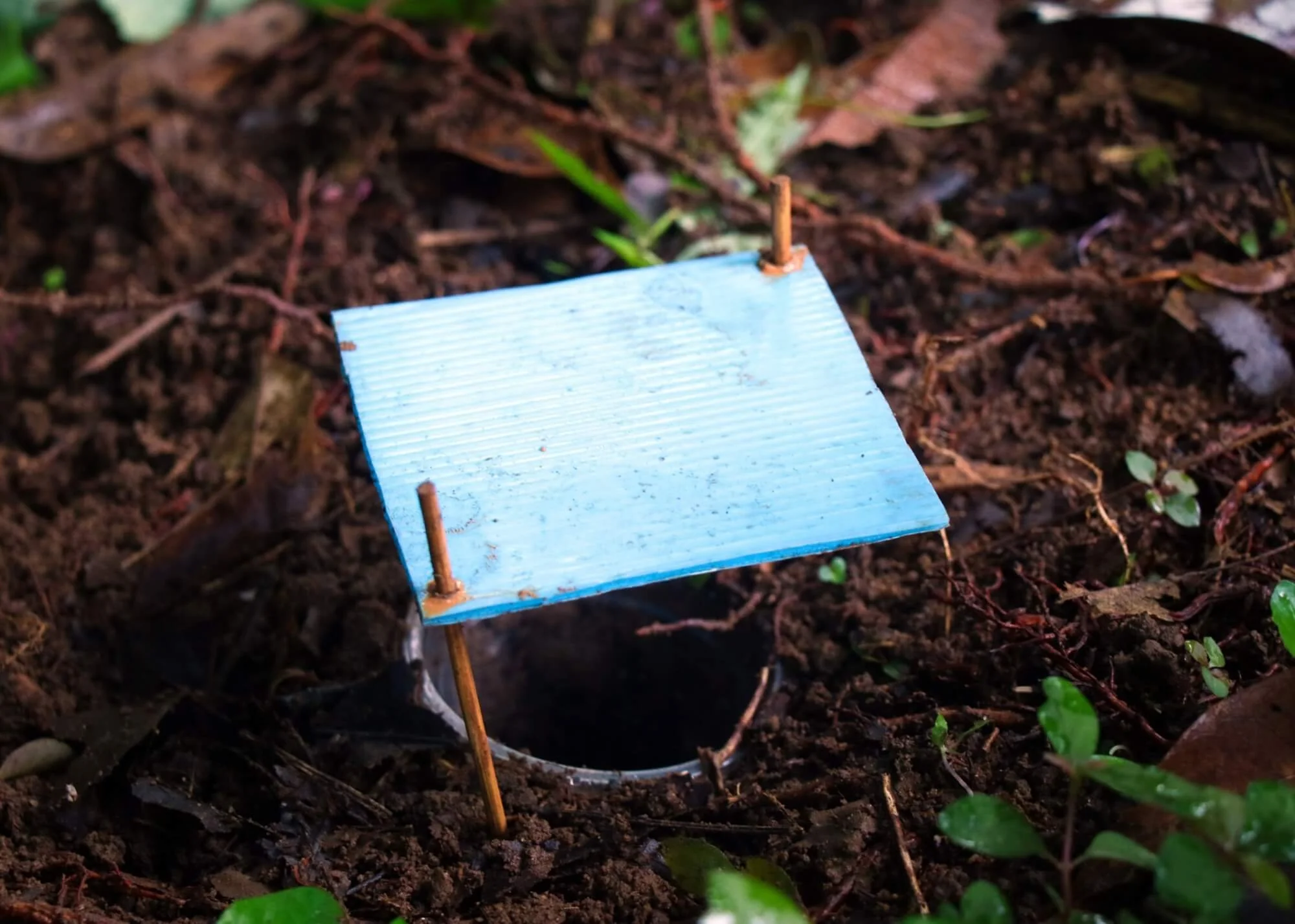
Pitfall trap for catching insects that walk on the ground.
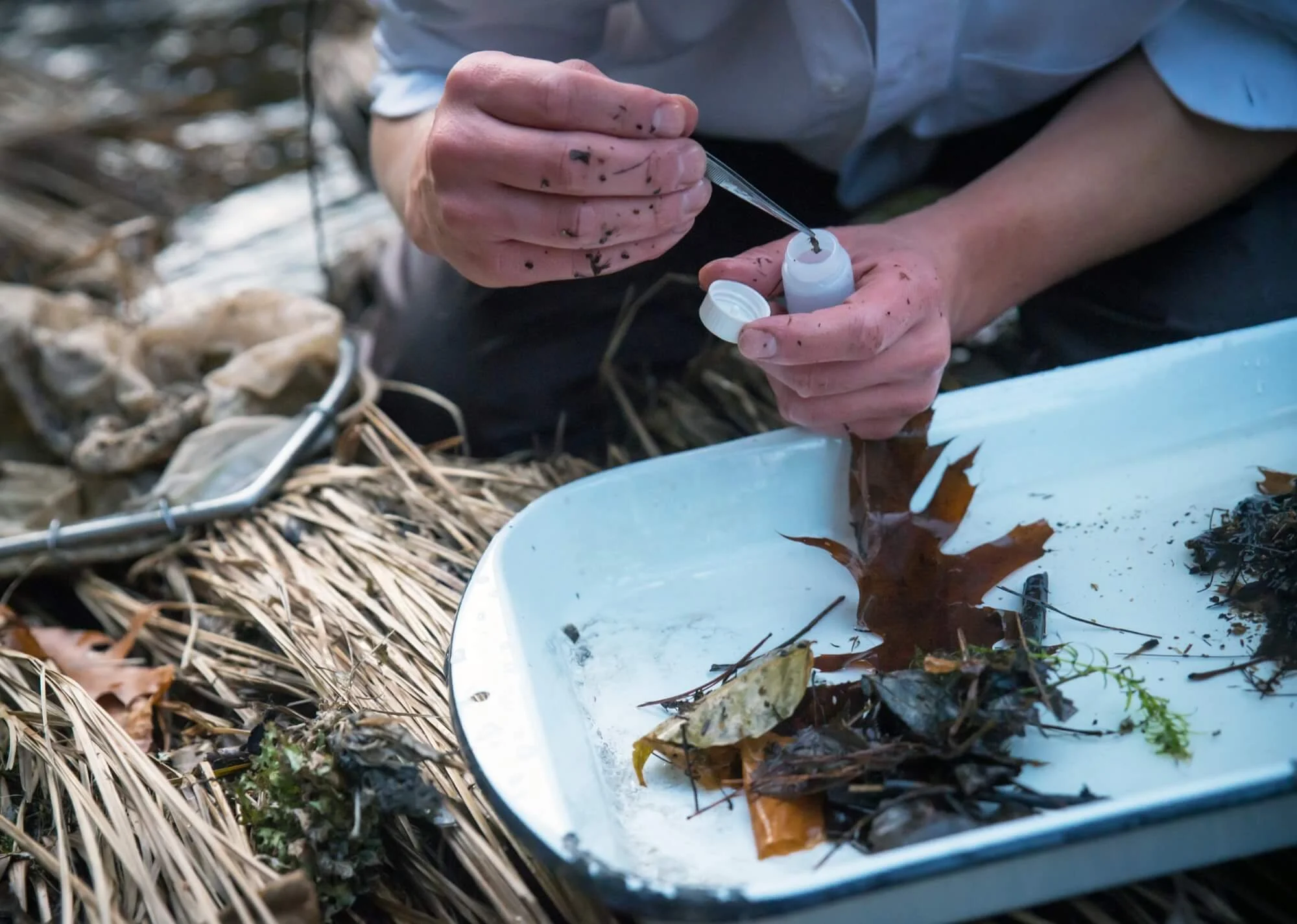
An entomologist adds a specimen to a collection jar.
How to Identify Insects
We can’t say much about an insect until we identify it, and insect identification can vary greatly in difficulty.
The first step is to determine which insect order it belongs to. Beyond that, it depends on the group. Insects like butterflies are relatively well-known, large, and have characteristic wing markings, so they can often be identified with binoculars and a field guide. For most insects however, you need a much closer look.
Entomologists commonly look at anatomical features to identify an insect. This can vary from how bristles are arranged on the back of a fly to vein arrangement on a wasp’s wings, or the number of segments on a beetle’s foot. In many insect groups, the genitalia have to be examined to identify an individual species
In recent years, DNA techniques have greatly improved our diagnostic abilities, especially for insects that must be identified during a particular life stage, or those that are otherwise challenging. There is a global push to create a DNA barcode reference library for all of life. However, we are many years away from such a library covering the majority of insect species.
The majority of insect species remain undescribed, even ones that you might encounter regularly in your own backyard. This is the final challenge that many insect identifiers have to deal with. The harder an insect is to identify and the smaller it is, the more likely you will encounter an undescribed or new species. And nature is messy! Humans often feel the need to classify things in a orderly way, but insects are constantly evolving and species definitions vary between researchers. Speciation usually occurs slowly, so there is often a long period of time when it is not clear if two lineages are one or multiple species.
For these reasons, it can be difficult to identify the more than 1 million insect species that have been given scientific names. Entomologists believe there are likely another 10 million species of insects on our planet still waiting to be named!