
Insects & Society
Insect Pests
Only a tiny fraction of insect species cause major economic harm to our agriculture, forestry, infrastructure, and human health.
Unfortunately, these insects get a disproportionate share of our attention. A pest insect is loosely defined as a species doing something that someone doesn’t desire, and which insect is considered a “pest” varies from person to person. While everyone can agree that bed bugs are pests because they feed on our blood, other insects are sometimes labeled as pests simply through ignorance.
For example, non-biting midges (Chironomidae) often cause concern by their large mating swarms or when they accidentally enter houses, but they are harmless to humans and are integral parts of both aquatic and terrestrial ecosystems. Pest status is also situational: something can be beneficial or neutral in some circumstances, but detrimental in others. For instance, a species like eastern spruce budworm (Choristoneura fumiferana) is an important native species that coniferous forests have adapted to. The caterpillars provide necessary food for many other animals, and increase forest diversity by knocking back dominant species. But from a timber management perspective, they can kill hundreds of square miles of marketable timber, causing major economic loss and increasing the risk of large-scale fires.
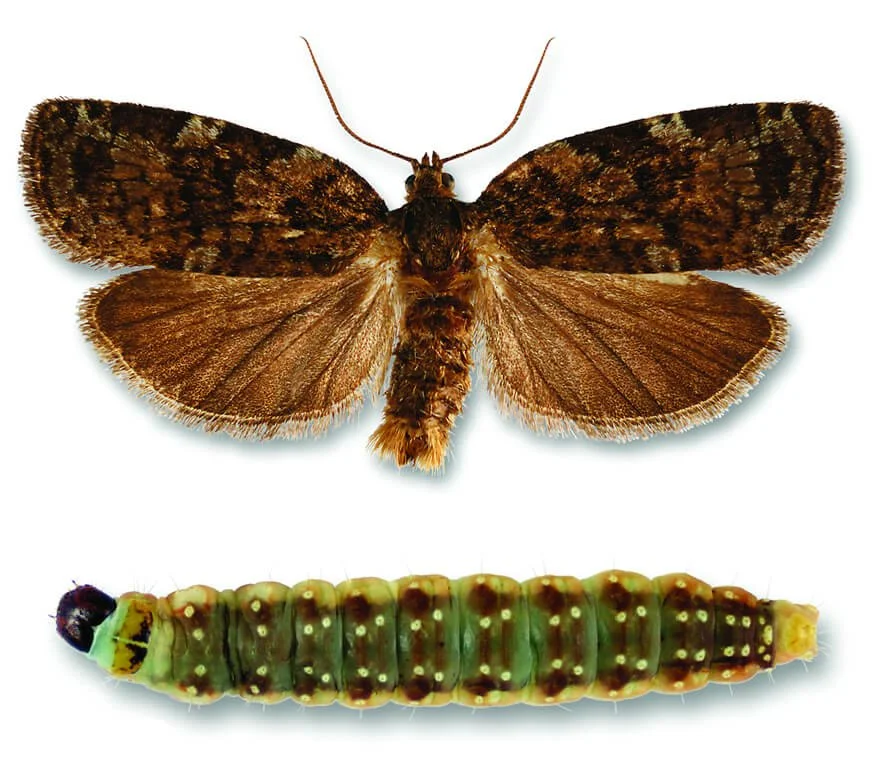
Eastern Spruce Budworm (top: adult moth; bottom: caterpillar)
Choristoneura fumiferana
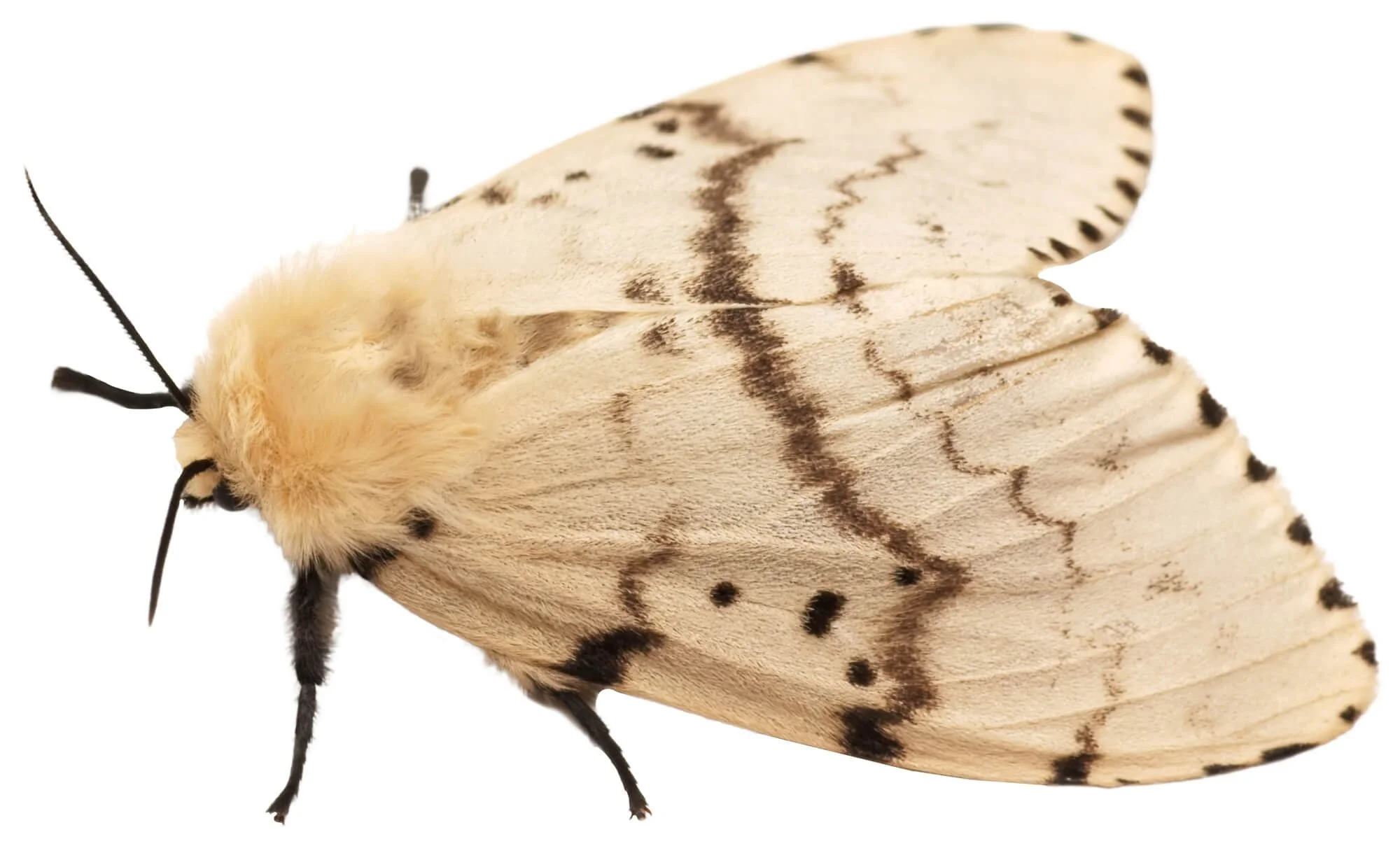
Lymantria dispar
Most pest species are pests because humans have made them so. We introduce insects to new places around the world, and degrade the environment, disrupting predator and parasite populations.
Monocultures are farmlands or forests dominated by a single plant species, as is common in many modern agricultural settings. Even though this is typically the most efficient way for us to raise plants, it also creates ideal conditions for an insect to become a major pest. Perhaps no better insect illustrates this than the boll weevil (Anthonomus grandis). In the late 1800s and early 1900s, the boll weevil spread from Mexico into the U.S. and devastated cotton, the dominant crop in the southeast. The situation spurred those states to diversify crops and heavily invest in control programs.
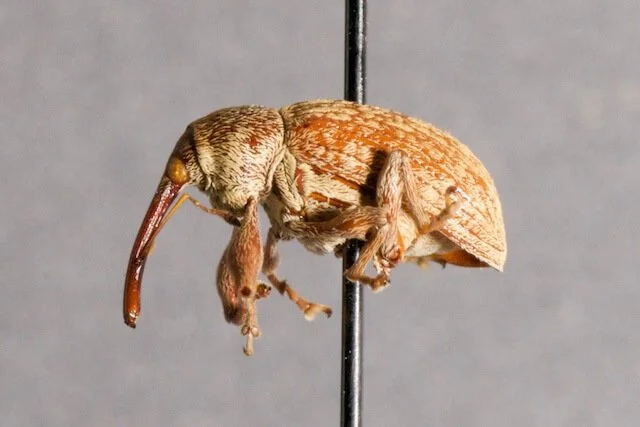
Boll Weevil
Anthonomus grandis
Courtesy of Dept. of Entomology, Texas A&M University.
Invasive Species
Some pests arise because we introduce them to new places and they become invasive species.
The migratory diamondback moth (Plutella xylostella) originated in Europe and has been accidentally spread to nearly every agricultural area of the world, where it can devastate crops like cabbage and broccoli. Sometimes we introduce pests on purpose, like Lymantria dispar (widely known as the “gypsy moth,” a pejorative name that will soon be changed by the entomological community). This moth was introduced into Boston from Europe as part of a silkworm breeding experiment, and now causes major ecological and financial damage to our eastern forests with large-scale defoliation (very obvious in some parts of NY last summer).
A North American species, the fall armyworm (Spodoptera frugiperda), was recently introduced into Africa, Asia, and Australia, where it is devastating crops.
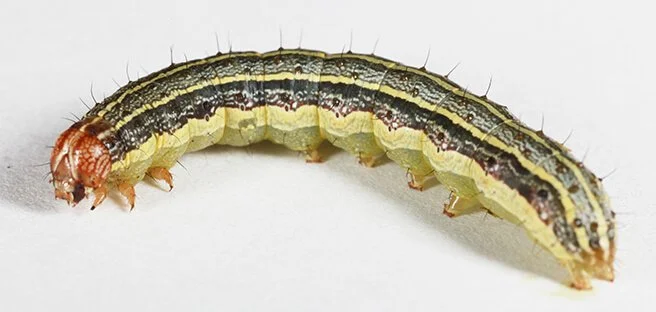
Fall Armyworm
(Spodoptera frugiperda)
Courtesy of Texas A&M University.
Perhaps our showiest invasive species is the spotted lanternfly (Lycorma delicatula) which was accidentally introduced into Pennsylvania from east Asia around 2014. While its primary host plant is the Chinese Tree of Heaven (Ailanthus altissima), they can amass on numerous other plant species and weaken or kill them. If that wasn’t enough, they secrete a sweet, sticky honeydew that coats surfaces below the plants and can become moldy.
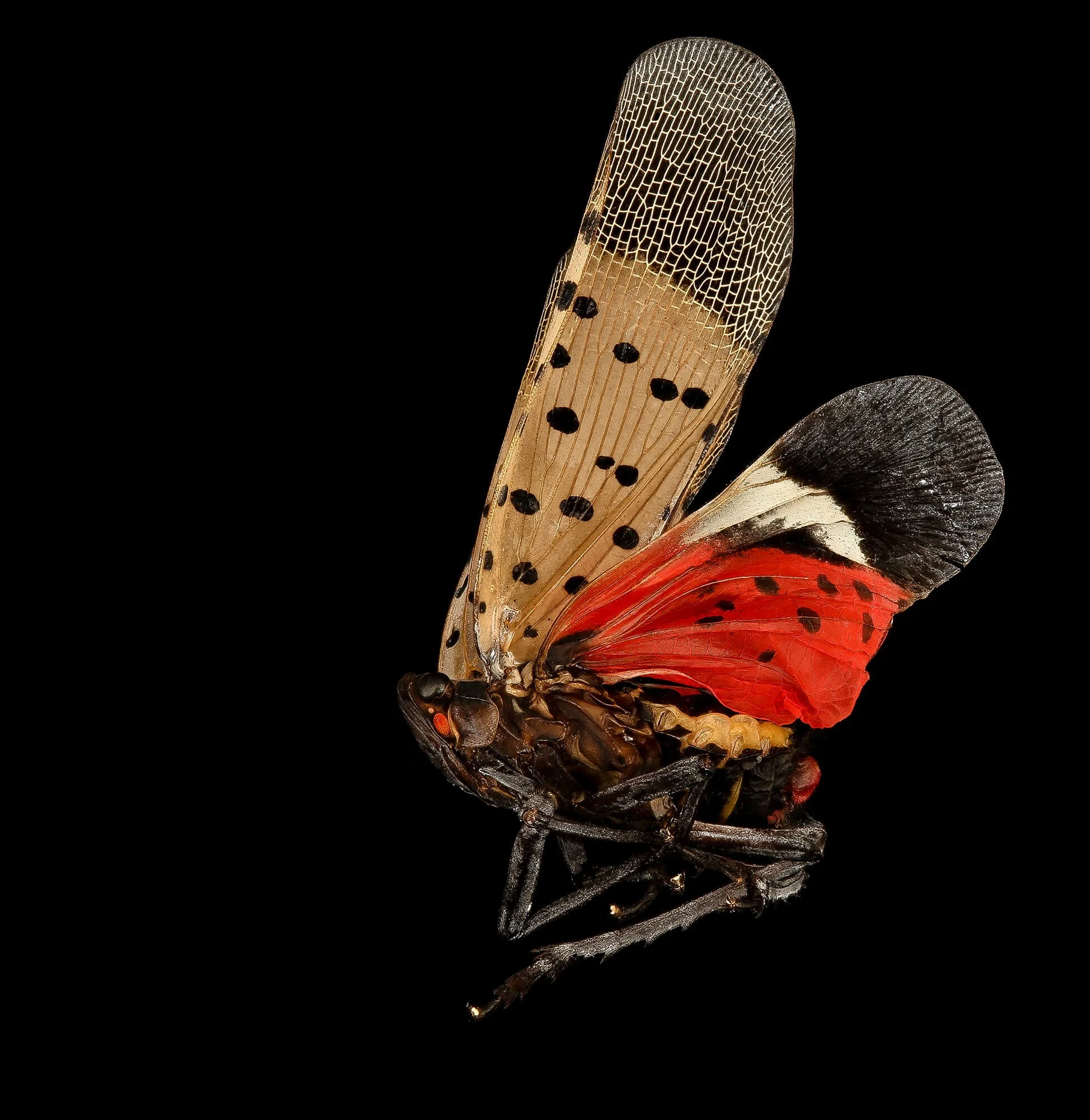
Spotted Lanternfly
Lycorma delicatula
It Is Not Just Living Plants That Are Affected By Pest Insects
It is not just living plants that are affected by pest insects. Stored products have to be guarded as well. All kinds of grains are fed upon and fouled by numerous insects, for example the red flour beetle (Tribolium castaneum). Other natural products that we don’t eat can be infested as well. Clothing and products made of fur, feathers, or animal skins are readily eaten by insects like clothes moths (Tineidae), which specialize in feeding on dry animal debris. Even insect collections aren’t immune to insect problems. All collections, including the CUIC, have to be vigilant in preventing certain insects like carpet beetles (Dermestidae) from turning insect specimens into dust. To protect our collection, we freeze new material that comes into the CUIC and put everything into air-tight drawers and cabinets. We also regularly inspect the entire collection for damage.
Human infrastructure is not immune to insect problems. Termites—which globally outweigh humans—can damage wooden structures, especially in the tropics. Wood is very difficult to digest, so insects that feed on it need special gut microbes to break it down. Some of our most problematic wood pests, like ambrosia beetles, are not eating wood, but only digesting woodrotting fungi. Incidental or accidental feeding can also cause economic damage. The camphor shoot borer (Cnestus mutilatus) is attracted to the smell of ethanol given off by stressed trees, but will regularly bore into plastic containers and fuel lines that contain gasoline with a high ethanol content. This results in small punctures that cause fuel leaks.
Did You Know 🔍
SILVERFISH love books, but rather than reading them, they love eating the glue that binds the pages together!
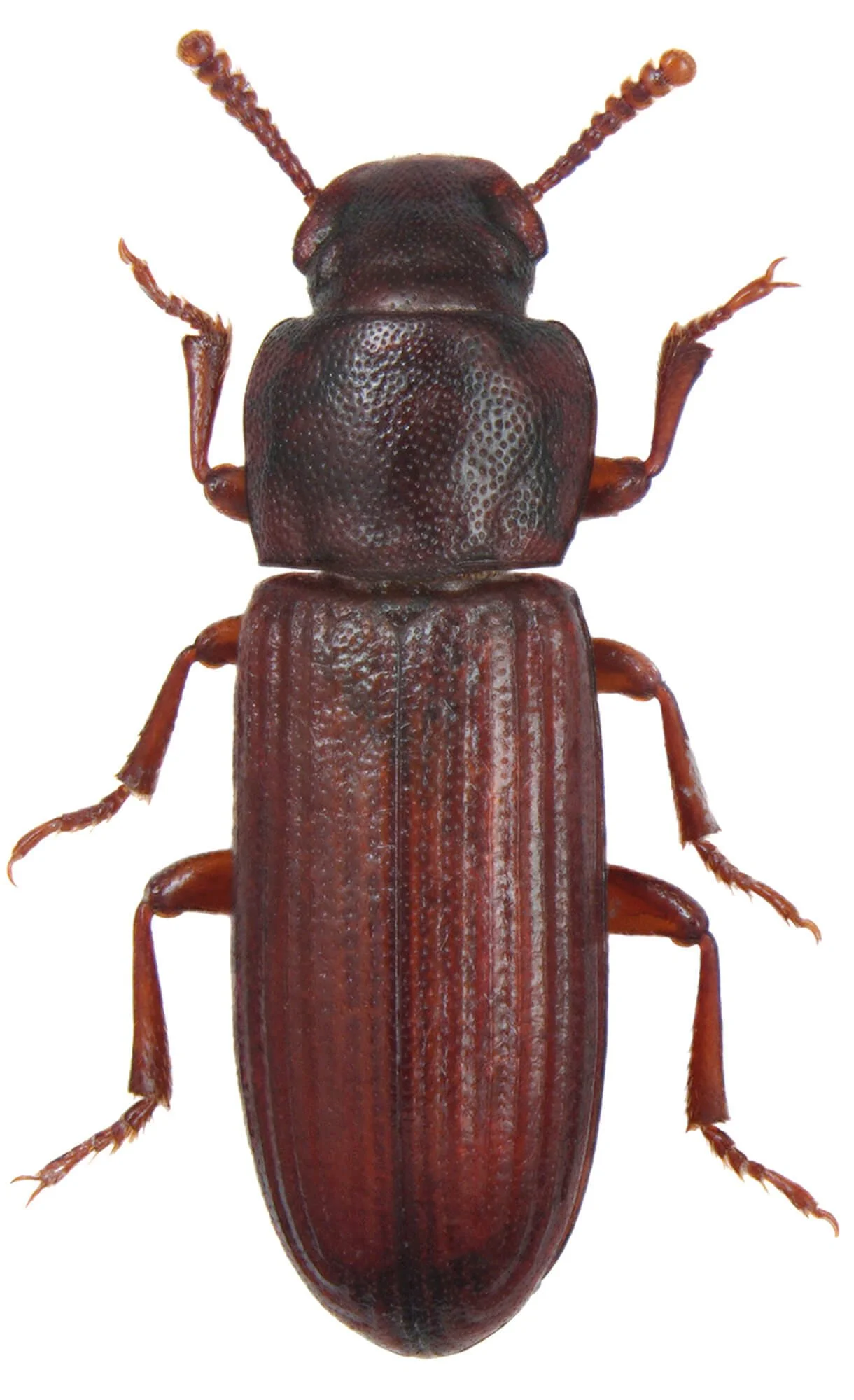
Red Flour Beetle
Tribolium castaneum
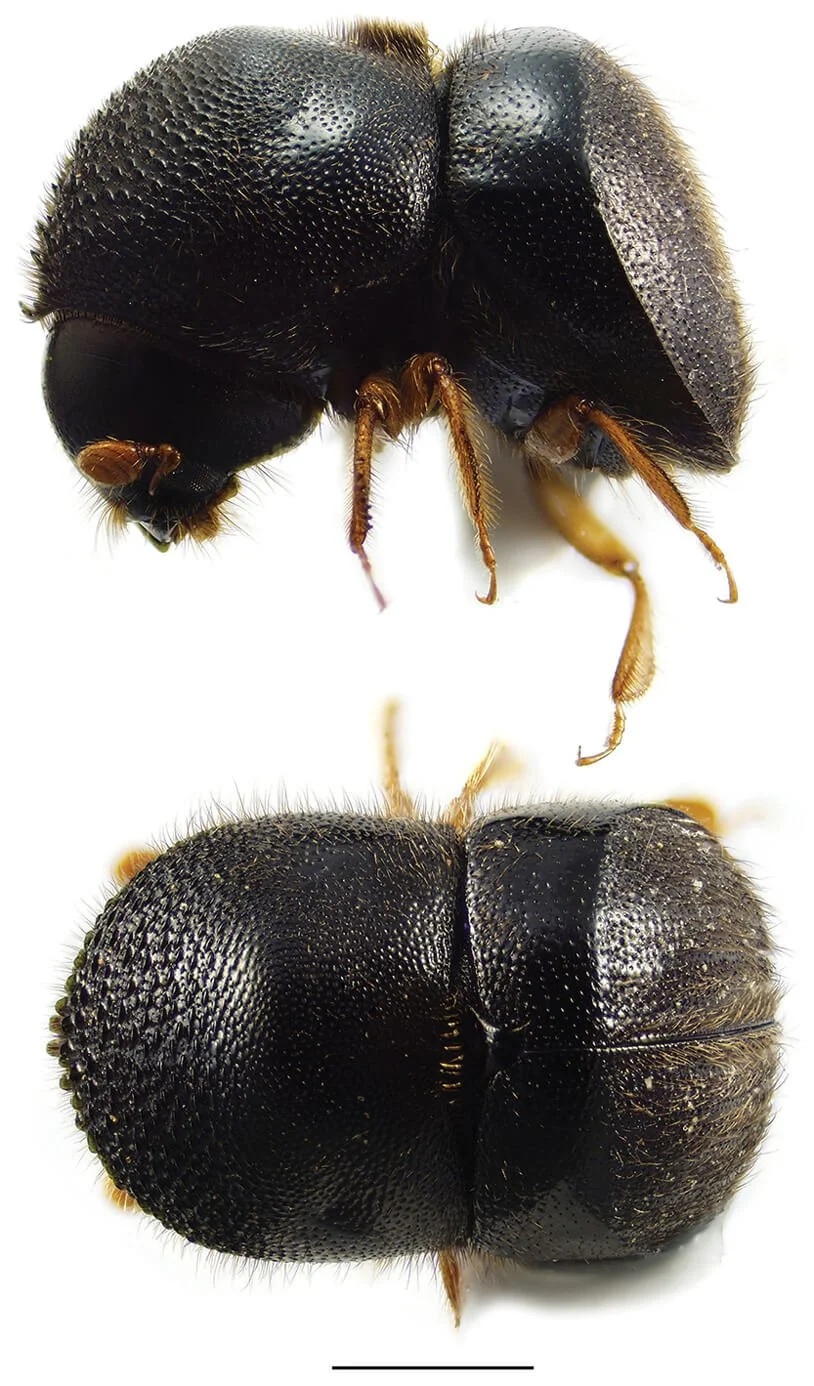
Camphor Shoot Borer
Cnestus mutilatus
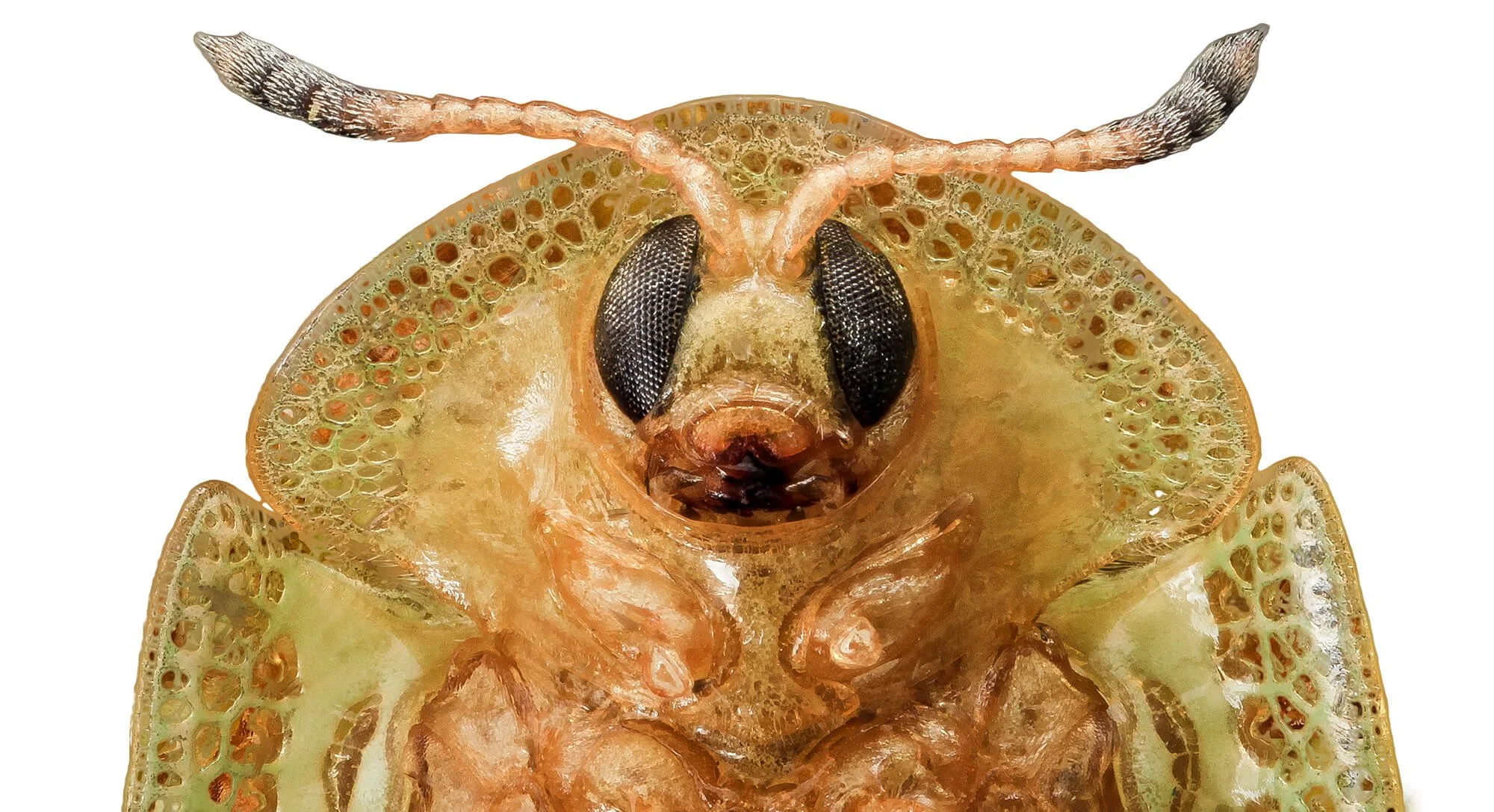
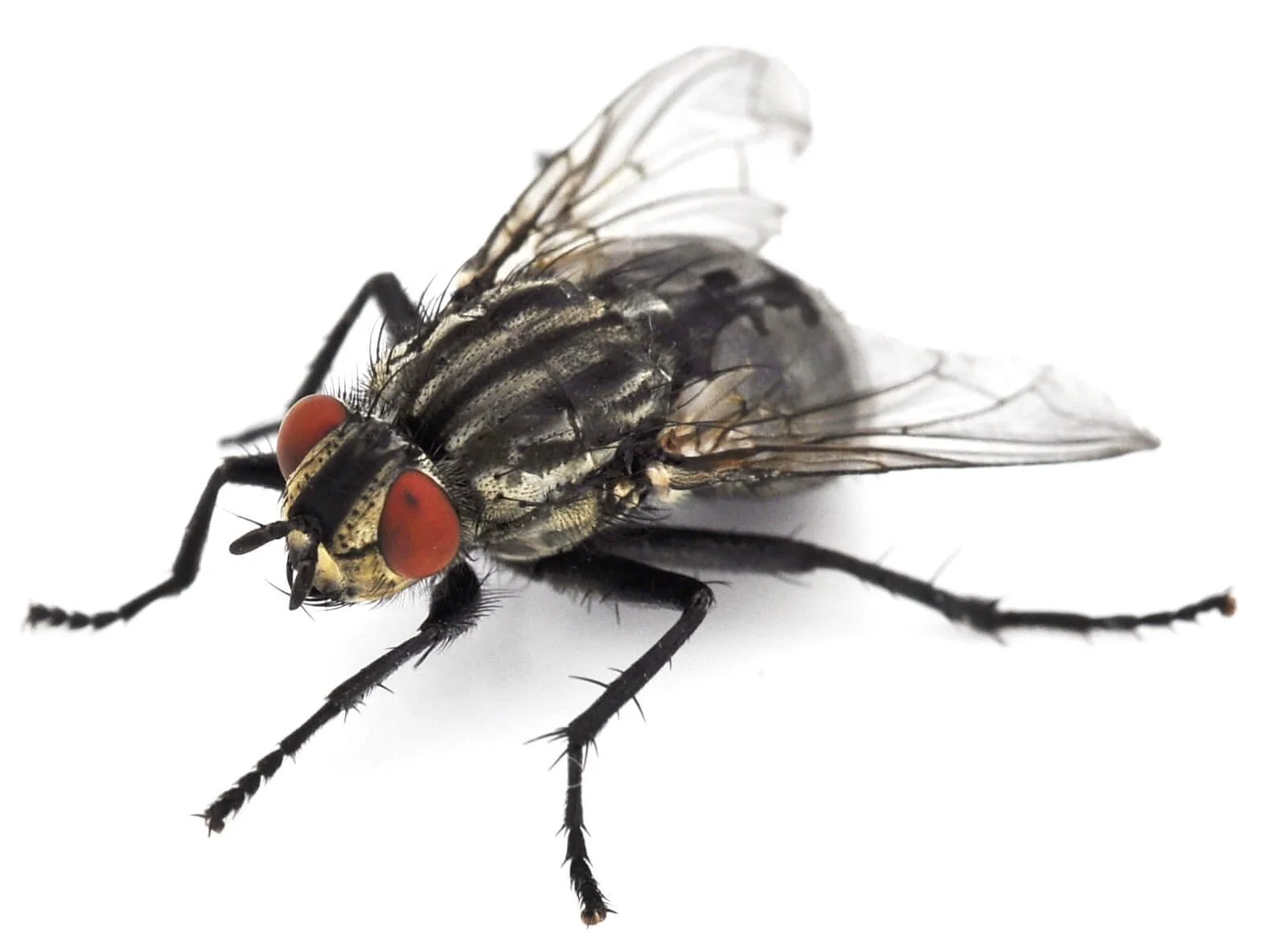
Common Housefly
Musca domestica
Spreading Disease
A few venomous insects are directly dangerous to humans, like a giant silkworm in Brazil called Lonomia obliqua, the deadliest caterpillar in the world!
However, insects’ real danger to humans comes from spreading disease. Biting flies can be annoying, but the diseases they can carry can be devastating, especially in the tropics. Mosquitoes (Culicidae) can spread many diseases, most notably malaria, yellow fever, and dengue, which kill over a million people annually. Throughout history, more soldiers have died due to diseases spread by lice and mosquitoes than from bullets and bombs. Fleas can spread diseases like the bubonic plague, which killed 50 million people. Lice can spread typhus, estimated to be responsible for 90% of the casualties in the Napoleonic Wars. Even seemingly innocent insects like the house fly are known to carry more than 130 different pathogens. When one of these flies lands on your meal and vomits digestive enzymes to sample your food, it may also spread microbes that it picked up on a nearby rotting carcass.
The pests mentioned above can cause huge economic losses or health concerns, but their complete eradication is nearly impossible and would probably have negative unintended consequences. One notable exception is the rocky mountain locust (Melanoplus spretus). This migratory species once devastated agriculture across western North America, but it went extinct by 1902. One particular swarm in 1875 was estimated to have 3.5 trillion individuals, and was larger than the state of California. No one is sure exactly why this locust went extinct, but it is thought that destruction of their year-round breeding habitat in a few valleys in the Rocky Mountains did them in.
Integrated Pest Management
Throughout history, we have dealt with pest insects in many destructive ways, but in modern times we typically practice Integrated Pest Management (IPM).
IPM focuses on keeping pest populations at a level below economic injury, by using justified levels of pesticides and biological control. This relies on preventative agricultural practices, regular monitoring, and current scientific knowledge to utilize control techniques only when necessary.
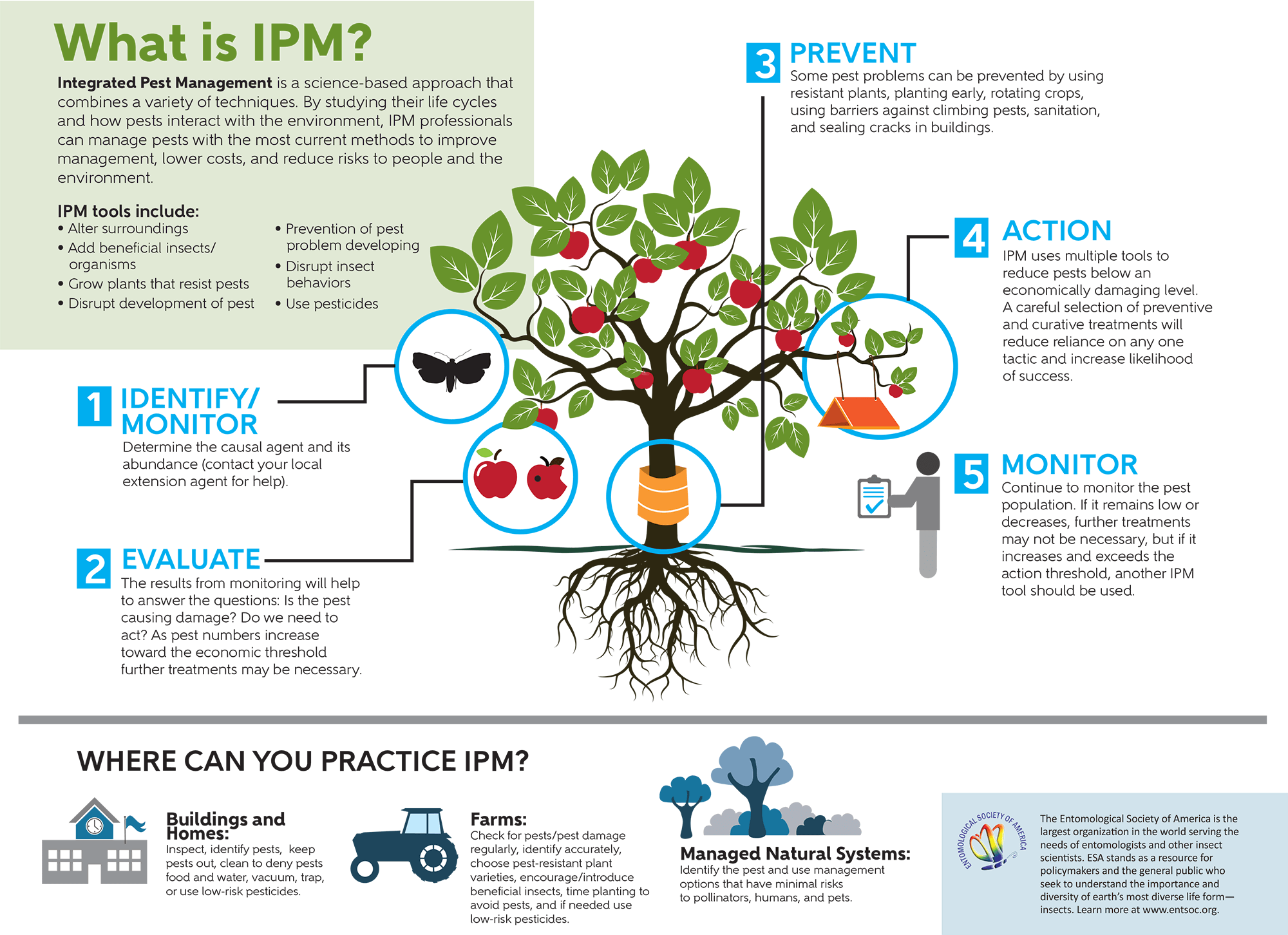
Infographic courtesy of the Entomological Society of America
Ecosystem Services
Insects as a whole are integral to terrestrial ecosystems. Along with mites and springtails, they make up the majority of animal biomass on land. Because most insects are eaten by other insects, they are also some of our best pest control agents. But insects truly shine as parasitoids. Parasitoids lay their eggs on or in a host insect. The larvae feed on the host, carefully eating non-vital organs to keep it alive as long as possible. When the larva is done developing it kills the host, or at least prevents it from becoming an adult. Most parasitoids are wasps and flies. They are some of our most poorly known insects, even though they have an oversized importance in controlling populations of other insects.
Pollination has been in the news a lot lately, for good reason. There is a notable decline in pollinators. This is a huge problem, as 35% of our crops depend upon insects to pollinate them. And it is not just bees and wasps that are doing this. Beetles, moths, and especially flies are critical. In some crops, pollination is done entirely by one or a few closely-related species. For example, cacao has complicated flowers that are only pollinated by tiny chocolate midges (Forcipomyia). Fig trees take it to an extreme, where tiny fig wasps (Agaonidae) have coevolved so that mating, egg laying, and larval development all occur inside a fig fruit. Female fig wasps leave the fruit they were born in and enter a new fig, transferring the pollen while the wingless males stay behind. Most commercial figs have been bred to grow without wasp pollination.
Insects also continue to have an important role in medicine. Historically many insects have been used as folk remedies with little evidence of efficacy, but a few have survived scientific scrutiny. Maggot therapy, where live sterilized maggots are introduced into an ulcer to eat necrotic tissue, holds some evidence of efficacy. Cantharidin, a drug extracted from blister beetles (Meloidae), is effectively used for wart removal. Insects produce many more chemicals that could potentially be useful to humans, but remain to be fully explored.
Did You Know 🔍
"COPROPHAGOUS" is a word used to describe insects that feed on dung.
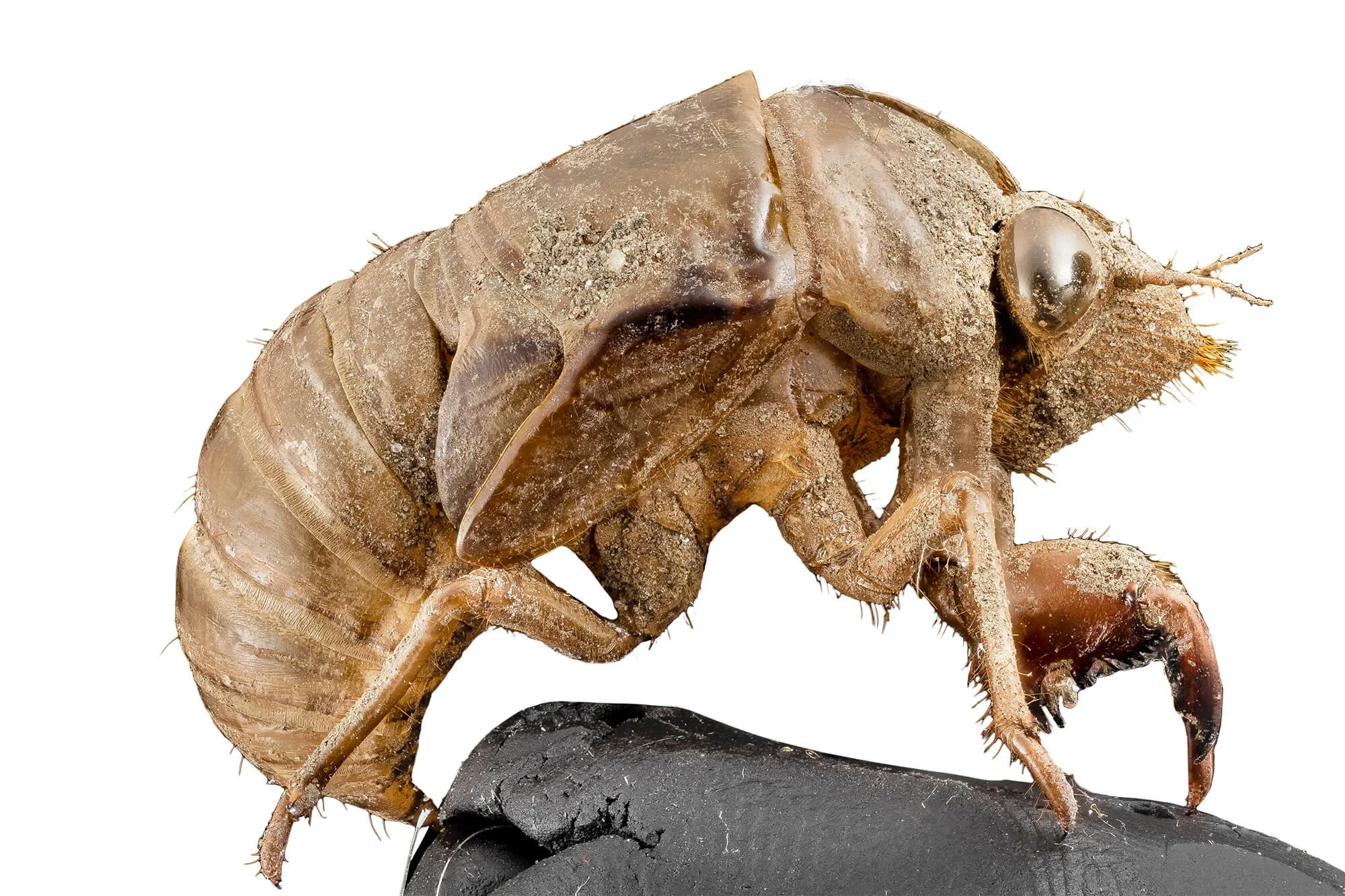
Cicada
Cicadidae
Culture
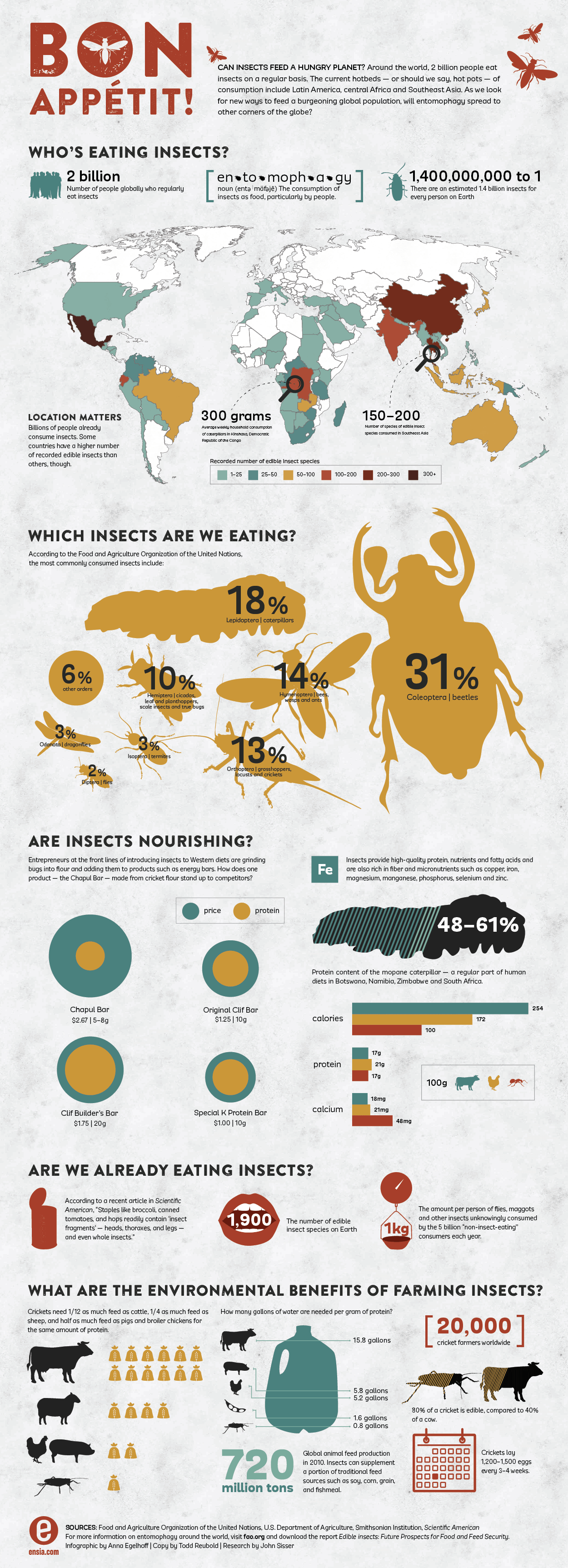
Insects are eaten by everyone, at least accidentally, because most food items have at least some amount of insect fragments in them.
Large parts of the world eat insects purposely, and this practice (entomophagy) could help us decrease our environmental footprint. Insects require 10% of the plant feed, a minute percentage of the water, and a tiny fraction of the land area that cattle do per equal mass of meat. Further, their meat provides as much as three times more protein as beef, and up to ten times as much iron.
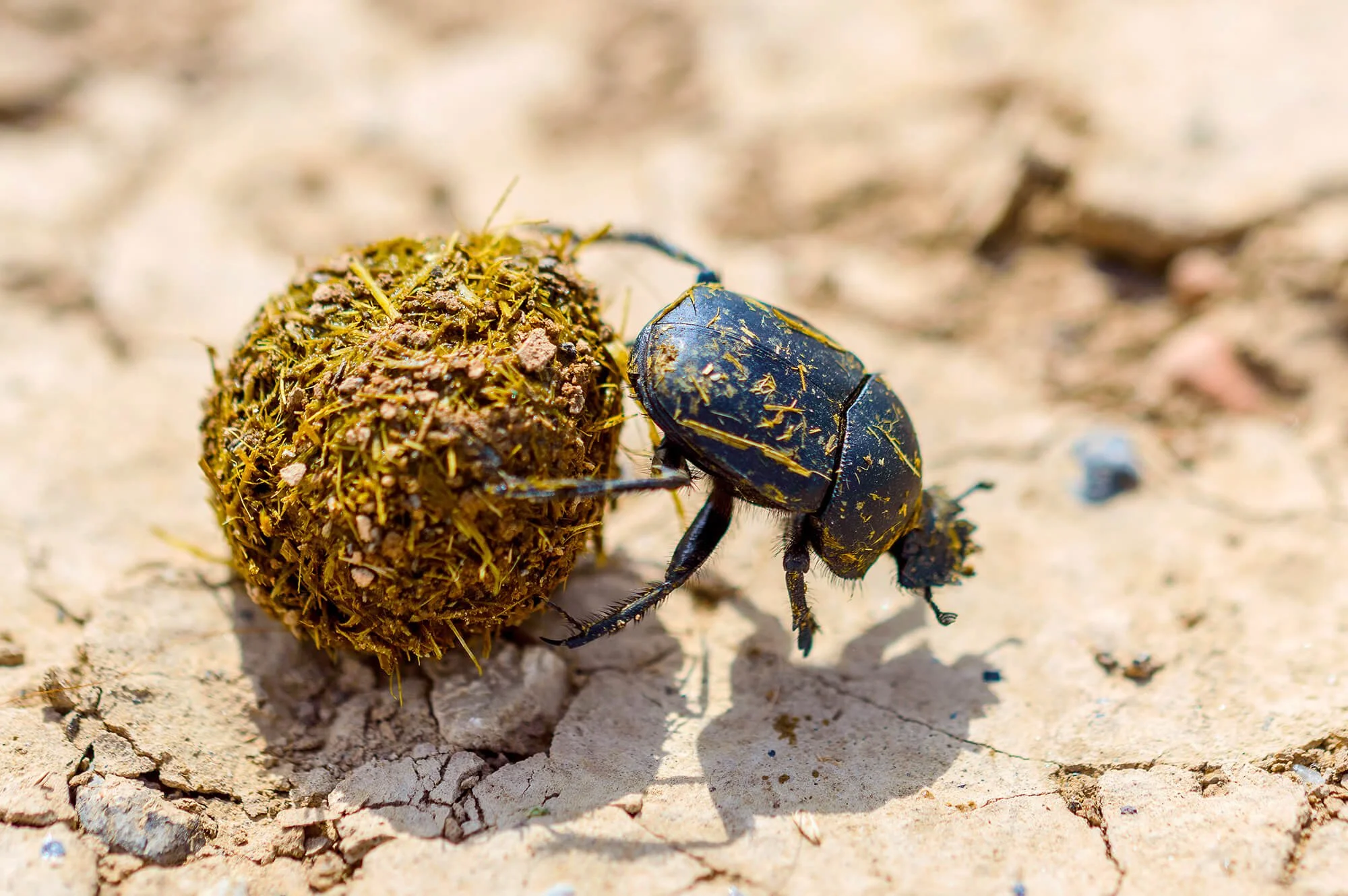
Sacred Scarab (Scarabaeus sacer) rolling a ball of dung.
Silk production from the domestic silk moth has been around for 6000 years. The species is now so specially bred that it can no longer survive in the wild without human intervention. As such an important insect for clothing, it holds a prominent place in the histories of various Asian cultures. Other insects appeared in culture early on in human history, from the much revered Sacred Scarab (Scarabaeus sacer) of Egypt to Psyche, the Greek goddess of the soul, who was often portrayed as a moth. In some Chinese cultures, butterflies were symbols of joy, while in Buddhism, cicadas (Cicadidae) represented resurrection. Insects don’t always get a good rap, though. Flies are portrayed as representing evil in most Middleeastern religions and locusts (Acrididae) were considered to be one of the Biblical plagues.
In modern culture, insects are most respected in east Asia. In Japan, entomology is a much more important hobby for children than in the USA, with competitive beetle rearing, a huge diversity of insect books for kids, costumes, and even video games where you win by becoming a professor of entomology!