

Ithaca Was Glaciers
If you had looked north from what we now call Ithaca’s South Hill around 14,000 years ago, you might have seen the edge of a massive glacier—the Laurentide Ice Sheet—melting and receding in the valley of what is now Cayuga Lake.
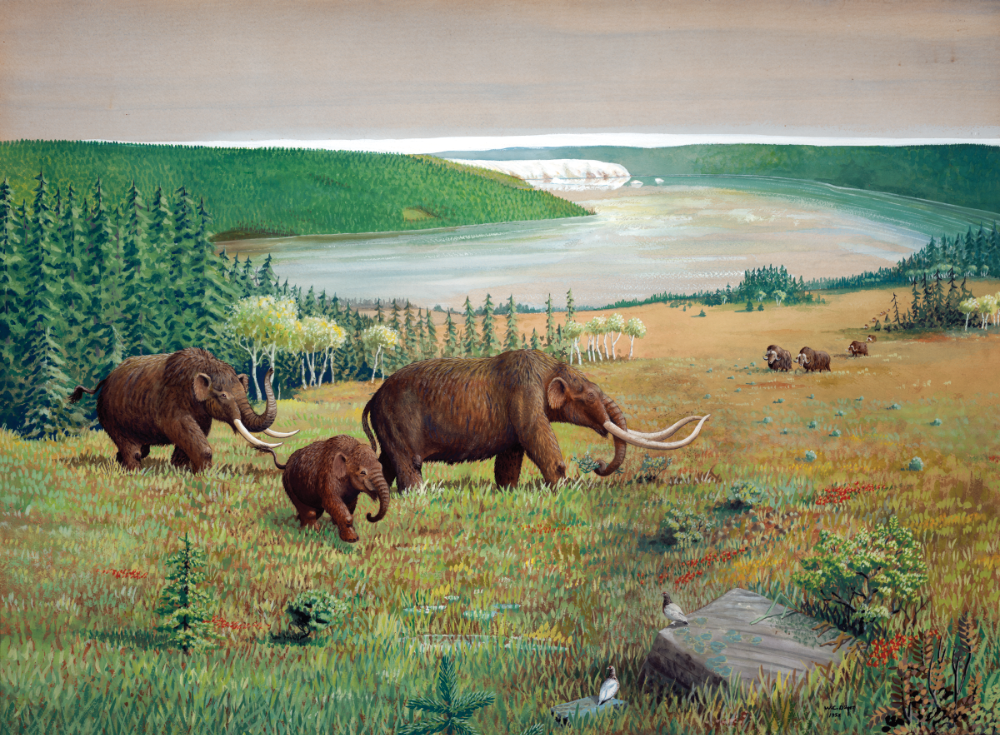
Mastodons on South Hill, Ithaca by William C. Dilger, ca. 1952
What is an “ice age”?
An ice age is a time when massive ice sheets cover parts of the Earth for an extended period of time. Did you know that Earth’s northern hemisphere has been in an ice age for the past 3.5 million years? We’re still in one today! An ice age is made up of glacial periods, when ice sheets grow, and interglacial periods, when ice sheets retreat—as they have been for the last 10,000 years.
What many people call the “Ice Age” in popular culture is simply the most recent glacial period, which ended about 10,000 years ago. If not for human-induced warming, the Earth would likely begin to cool into another glacial period in a few tens of thousands of years from now.
Clues in the landscape
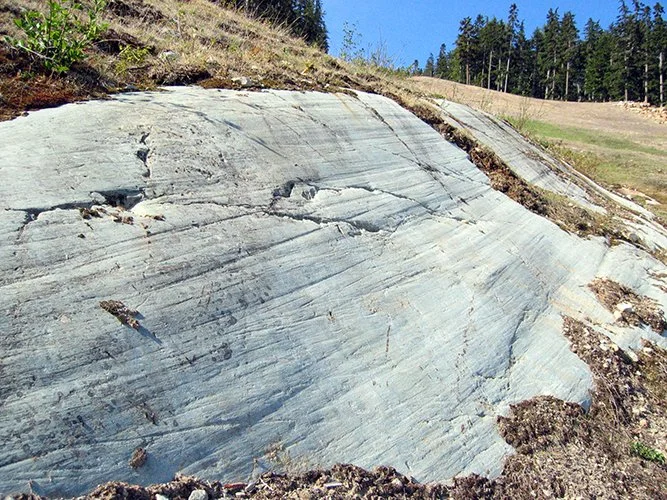
As a glacier expands and moves it erodes the landscape, producing and carrying enormous amounts of rock and sediment. When the glacier melts and recedes, it leaves that debris behind. Rocks that are carried far from their home by glaciers are called glacial erratics. They are among the many clues about where glaciers have been in the past.
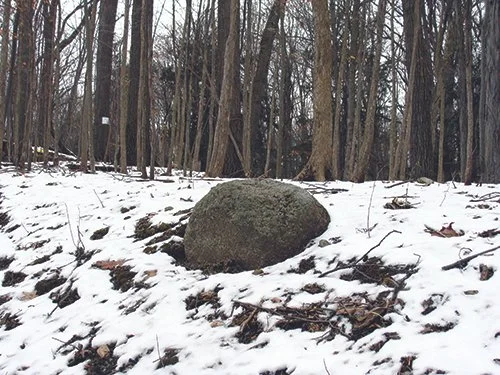
Glacial erratic in Ithaca, NY
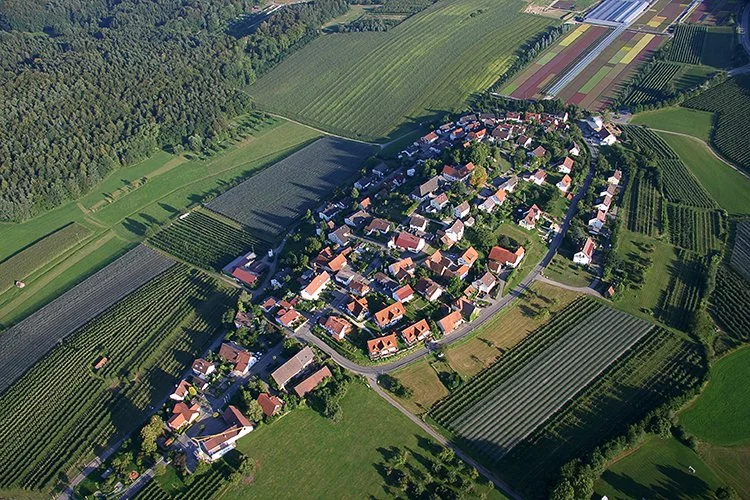
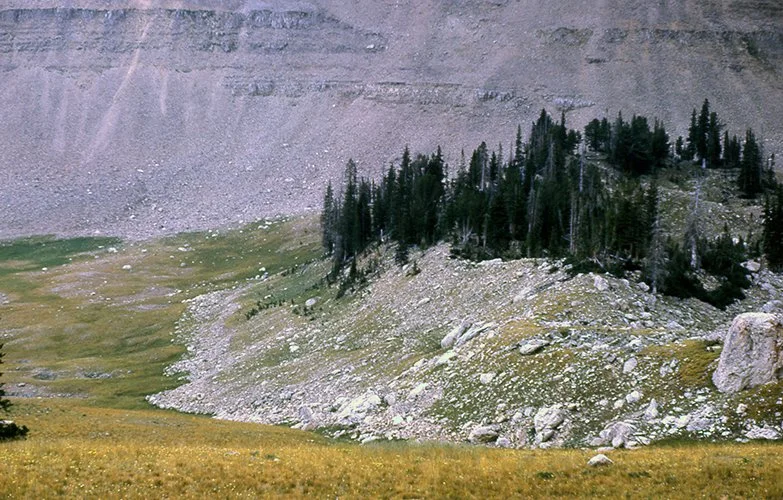
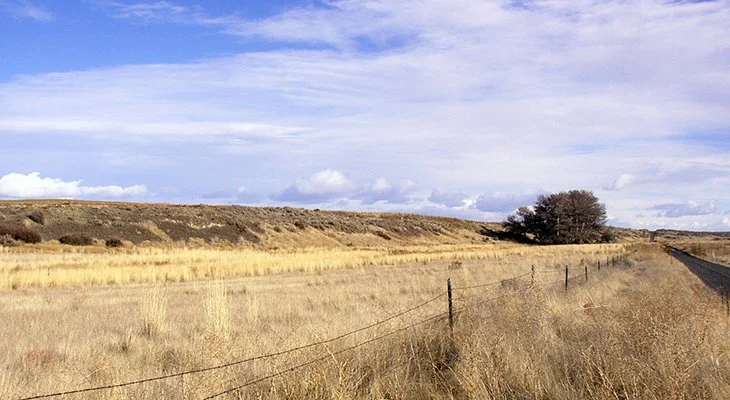
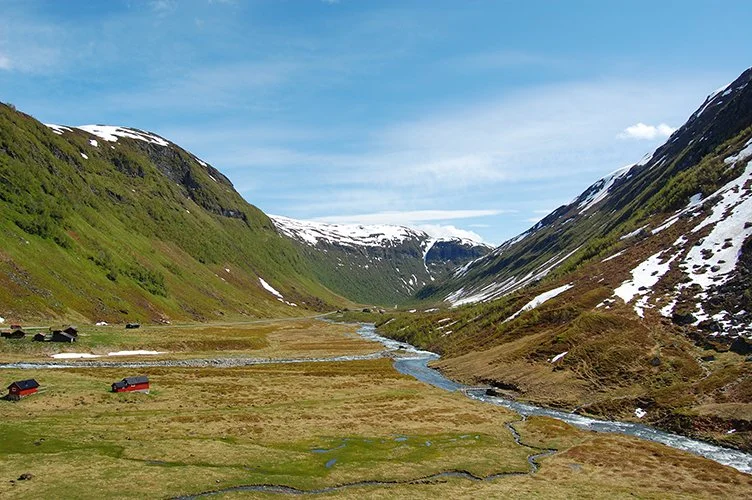
In Central New York and other parts of the world, one can see evidence of past glaciation in the landscape. Glacial features include:
Close to Home
“Ithaca is Gorges” design, found on many t-shirts, bumper stickers, and hats at gift shops in Ithaca, NY. The logo was designed by Ithacan Howard Cogan.
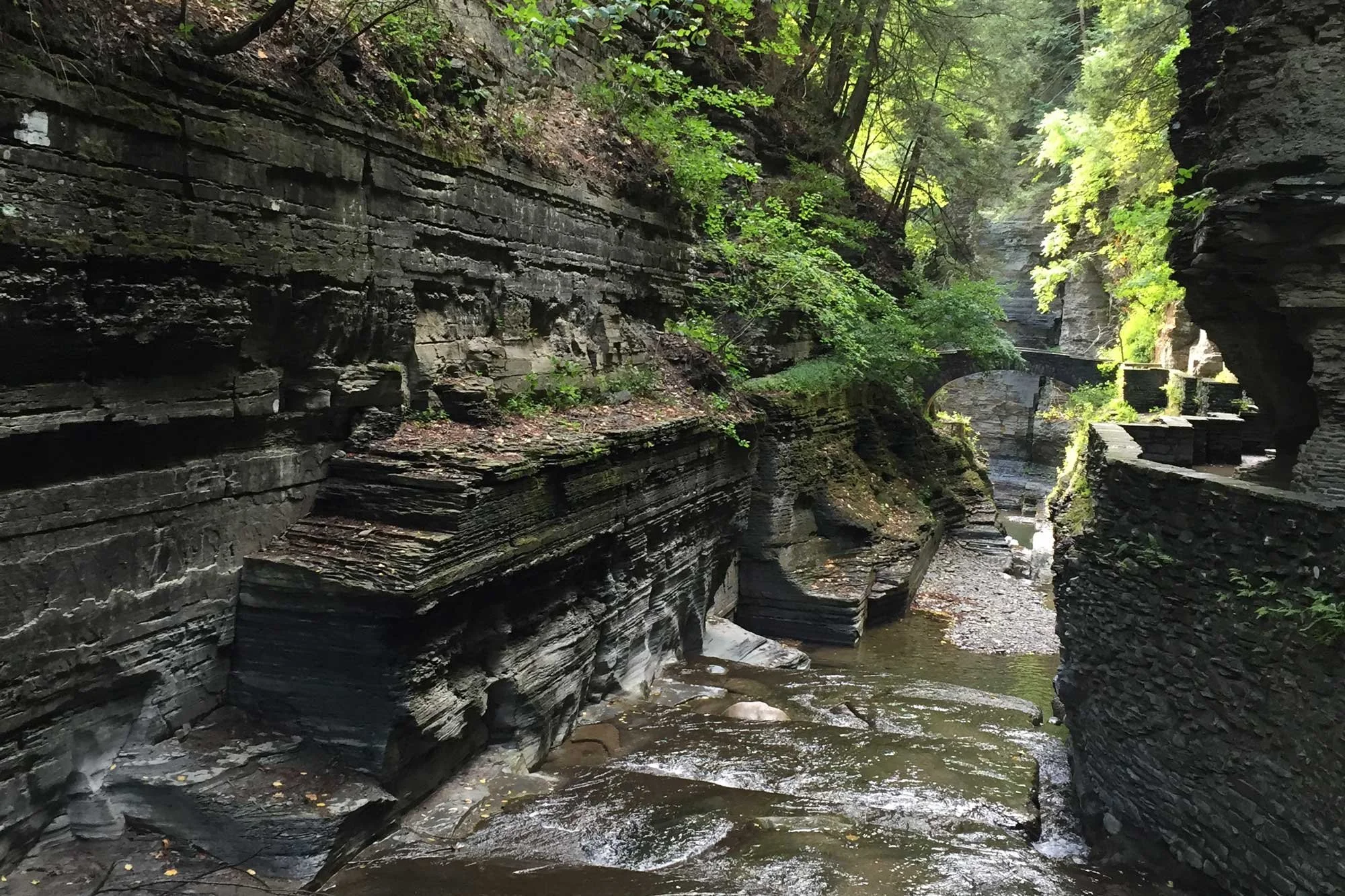
Gorge at Treman State Park, Ithaca, NY. Photograph by Jonathan R. Hendricks for PRI's Earth@Home project (CC BY-NC-SA 4.0 license).
“Ithaca is Gorges” because Ithaca was glaciers! Our long, deep Finger Lakes formed thousands of years ago as a result of glaciers. The huge masses of ice flowed into ancient stream valleys and carved them even deeper into the ground. After the glaciers retreated, the valleys filled with water and sediment—now the Finger Lakes.
The streams that once fed into the valleys were left high above the deep floors, creating hanging valleys. But as the streams continued to flow into the lakes, they eroded the bedrock, resulting in the steep, narrow gorges we see today.
The Valley Heads Moraine near the south end of Cayuga Lake is additional evidence of past glaciation. And to the north, drumlins are visible from Syracuse to Rochester. In this area, any rocks that you see scattered around that are different from the bedrock are erratics, carried here by moving glaciers—sometimes from hundreds of miles away!
This video explains how ice sculpted the topography of the Finger Lakes region:
Glacial Ice sculpted New York's Finger Lakes Region by Bryan Isacks for the Paleontological Research Institution (YouTube)