

Humans & Mollusks
ON THIS PAGE:


MOLLUSKS AS FOOD
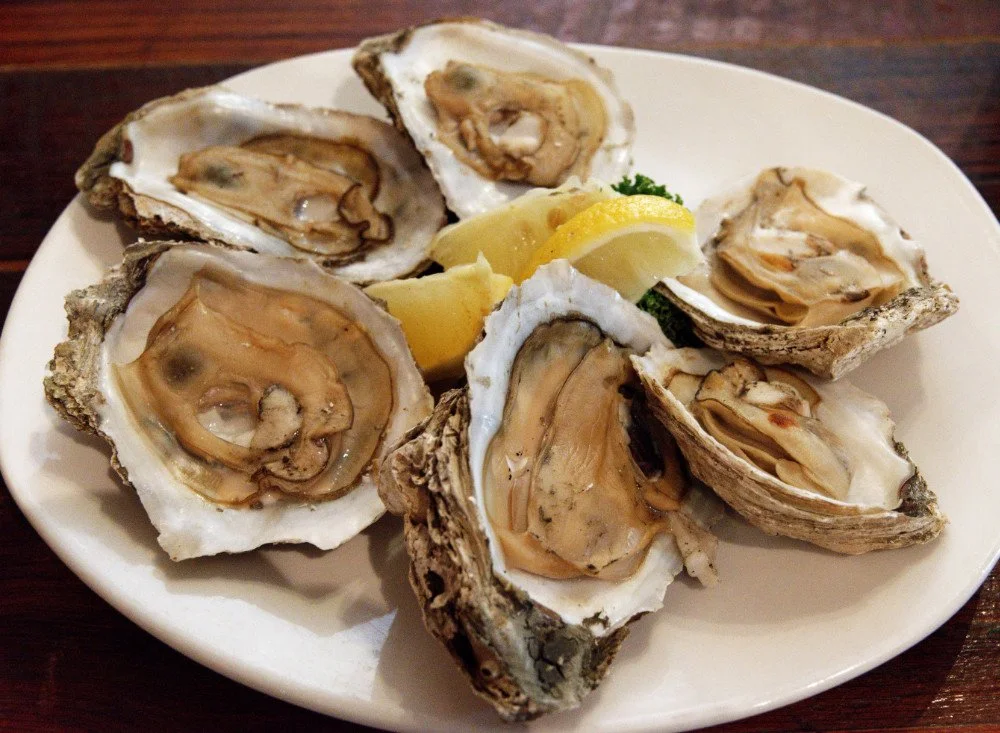
Oysters on the half shell. Photo by Jud McCranie (CC BY-SA 4.0 license) via
Wikimedia Commons
Mollusks on the Menu
Humans rely on a variety of mollusks as sources of food. The earliest evidence of humans harvesting bivalves is between 128 thousand and 78 thousand years old, in the form of discarded shell middens (garbage heaps) located in northwestern and southern Africa, but likely humans had been using shellfish resources earlier than that.
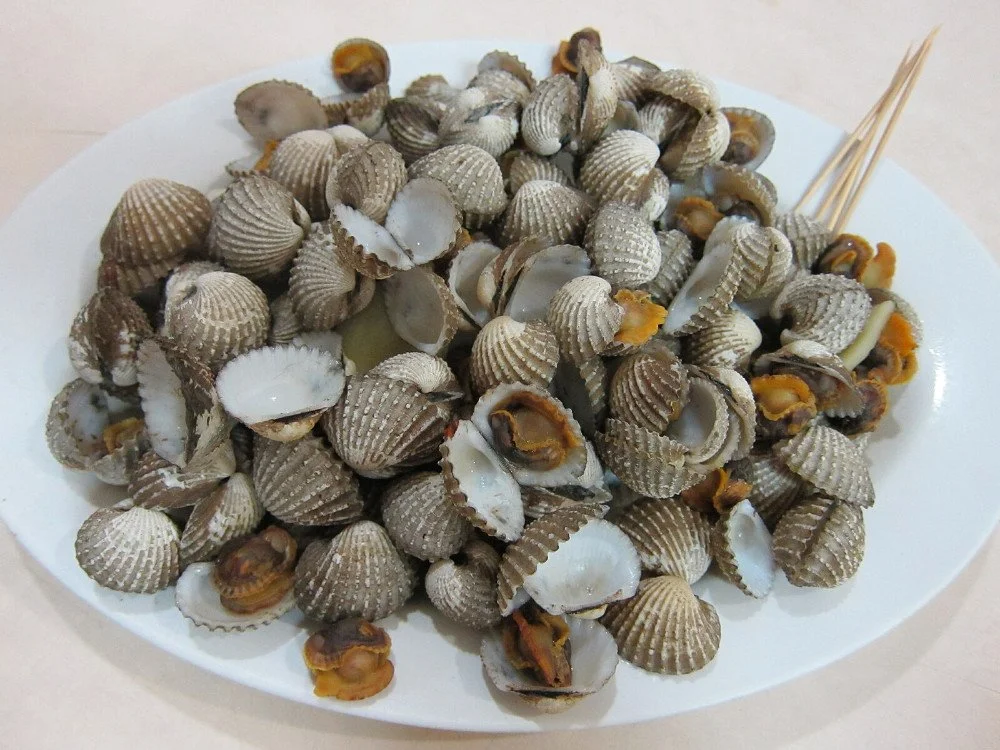
Edible cockles. Photo by Kcdtsg (public domain) via Wikimedia Commons
A Global Appetite
Globally more than 15 million US tons of bivalves are eaten every year, with an estimated total value of over $100 billion. In the USA, fisheries for scallops, oysters, clams and mussels have a combined value of nearly $900 million.
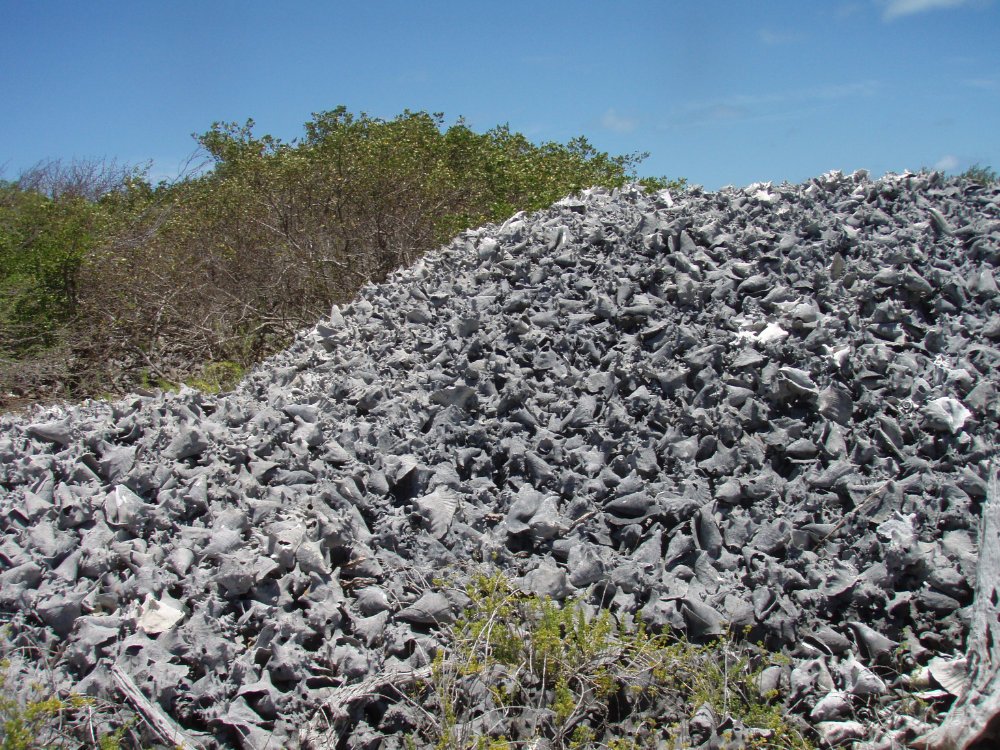
Pile of harvested queen conch shells in the British Virgin Islands. Photo by ScubaBear68 (CC BY 2.0) via Wikimedia Commons
More Than Just Clams and Oysters
Abalone, the queen conch, edible whelks, and Roman land snails are the most commonly consumed gastropods. The snail eaten as escargot is a land snail, Helix pomatia, which may have been spread by the Romans throughout Europe, but the species is difficult to farm commercially. Cephalopods, including squid, octopus, and cuttlefish, are also fished and eaten globally, with over 3 million US tons harvested annually. Shortfin and longfin squid are commercially harvested in the US and are valued at over $45 million, and are sold both as bait and as food.
Too Much of a Good Thing?
Overharvesting is a major threat to mollusks that are eaten by humans. Cockles are one type of mussel that are very important to local fisheries around the world, including for Native Americans, but they are also commercially fished. Cockles being overhavested has led to harvesting restrictions in many European countries, such as the Netherlands and the United Kingdom. The queen conch is a gastropod that was commercially fished for its meat but then overfished. In Florida harvest has now been stopped while a rebuilding plan is in place for the population in the wider Caribbean.
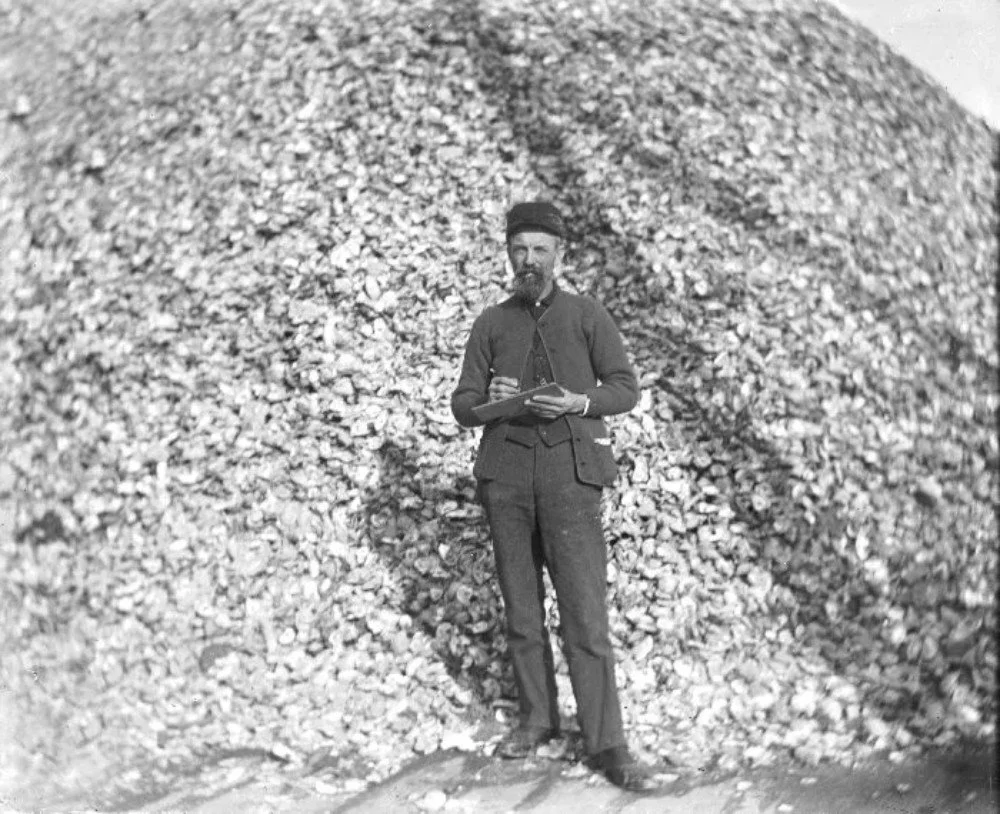
Pile of oyster shells in Atlantic City, New Jersey, 1910
Did you know?
More than one species is known as the “edible whelk.” The name is most commonly used for Buccinum undatum, a true whelk, which is primarily fished in the North Sea, but in the Caribbean the name is applied to the large Vetigastropod Cittarium pica, also called bulgao, as caracoles quigua; and as cigua in Spanish-speaking countries where it is consumed.
MOLLUSKS IN ART AND HISTORY
Mollusk shells have fascinated humans for thousands of years. They have been used for art, jewelry, decoration, currency, and as inspiration.
The famous Roman orator Cicero, in his De Oratore (55 BCE), advocated shell-collecting as a means to achieve serenity in the midst of political turmoil. During the Renaissance shell collecting became popular and books about shells, with increasingly realistic illustrations, became numerous and popular. In the seventeenth century, voyages of exploration introduced Europeans to tropical mollusks with their myriad forms and colors, and artists responded with numerous still life paintings.
“Shells”, writes historian Peter Dance, “have always mattered to us.”
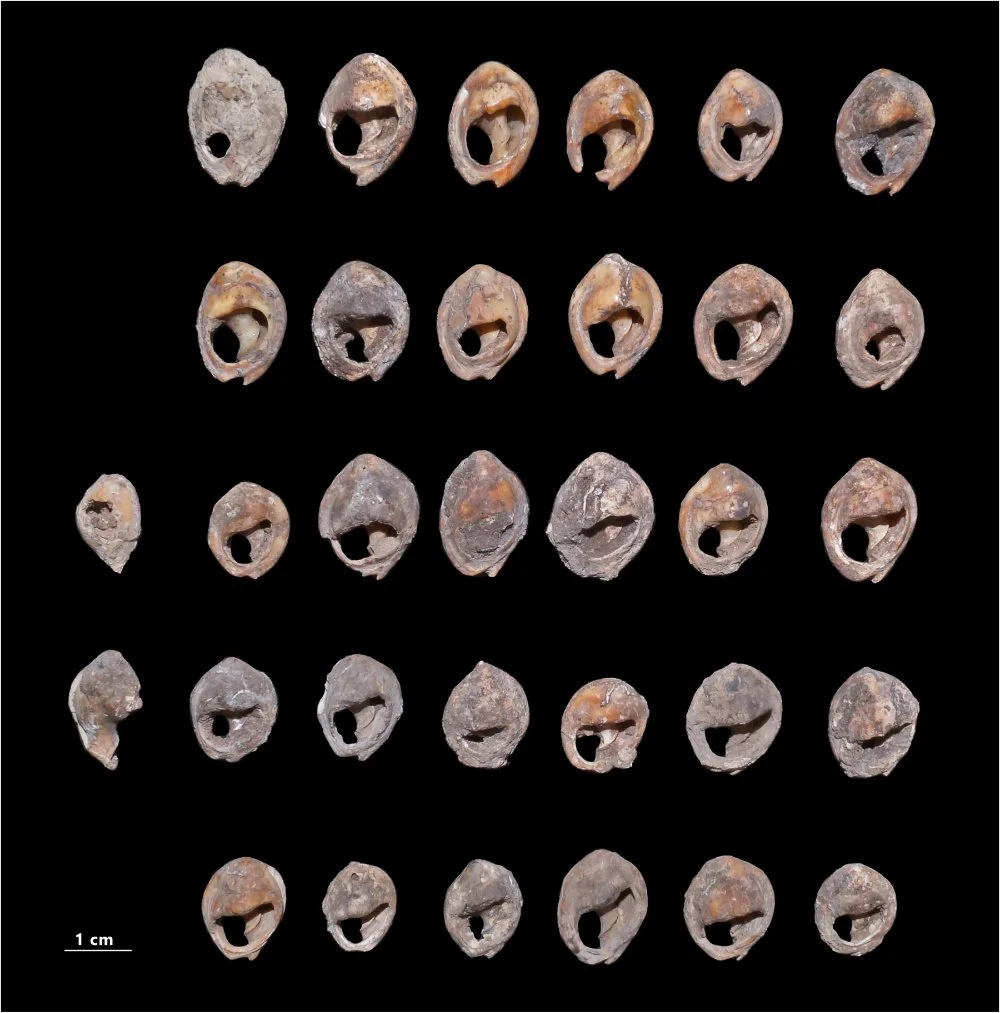
Shell beads from T. gibbosula and C. rustica shells. Image from A. Bouzouggar, INSAP, Morocco, licensed under CC BY-NC 4.0 via Science Advances
Shells as Jewelry
The oldest archaeological record of mollusks shells being used as jewelry comes from Morocco, where shell beads dating to more than 140,000 years ago were discovered in recent years. These beads were made from the shells of small marine snails belonging to the species Tritia gibbosula.
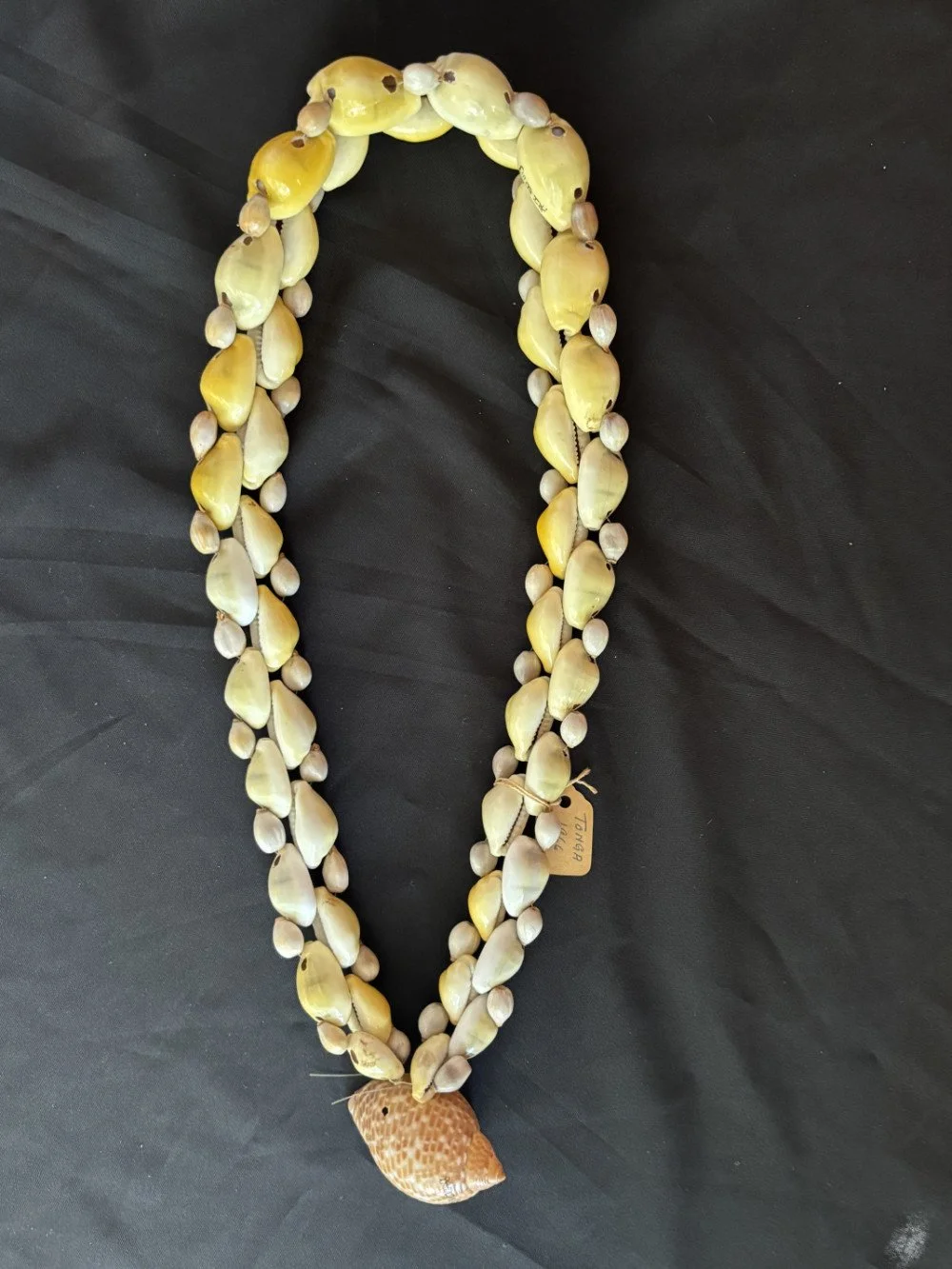
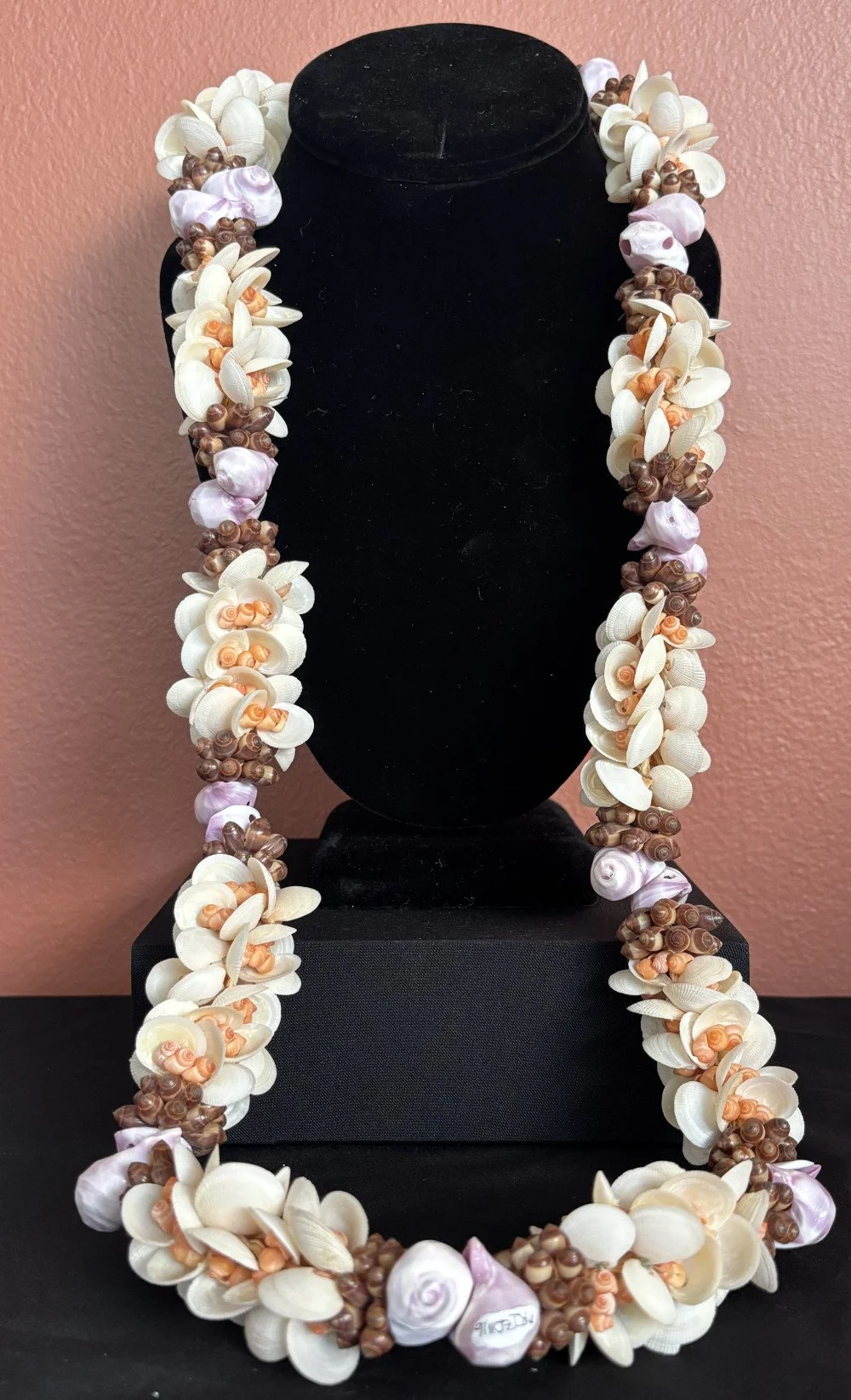
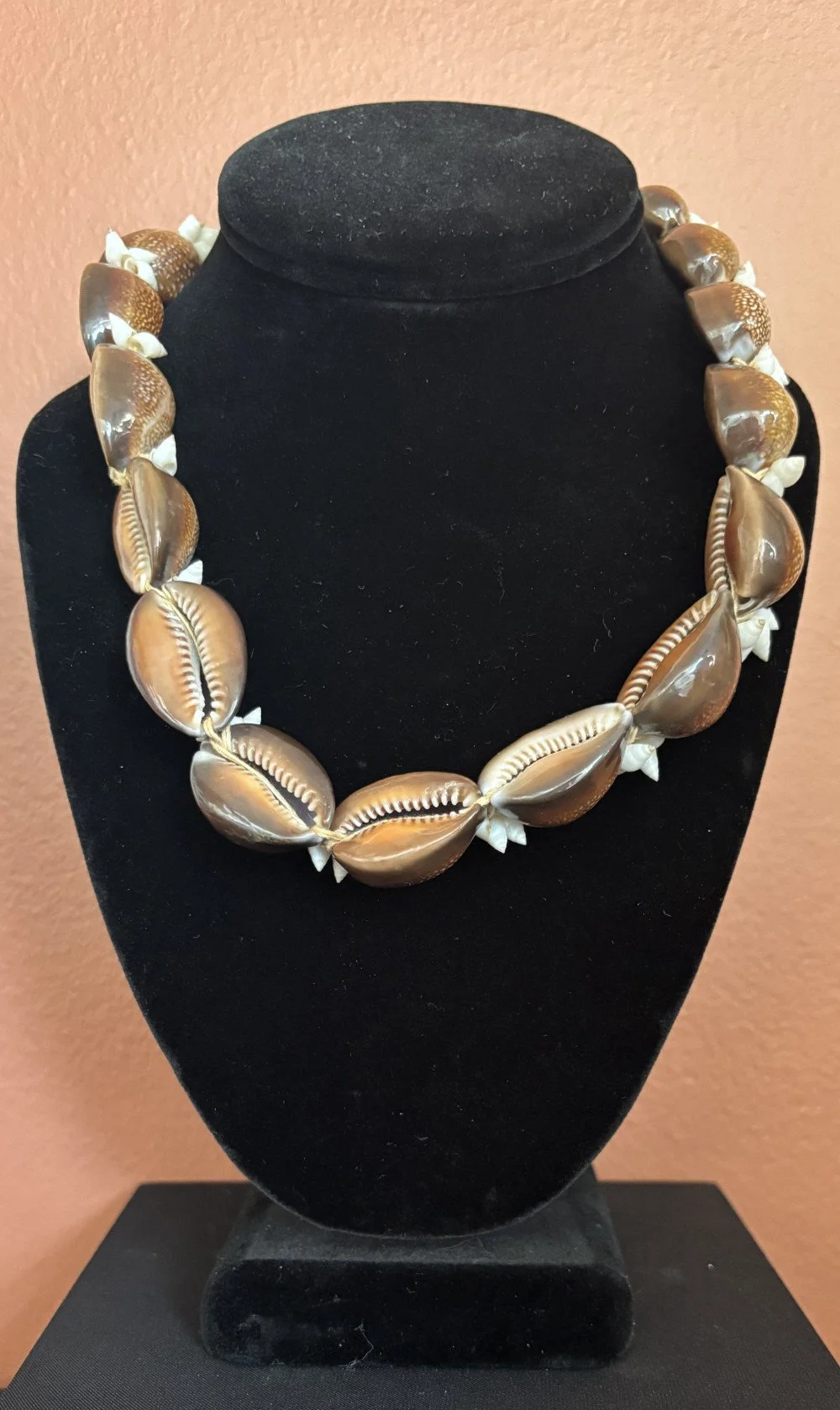
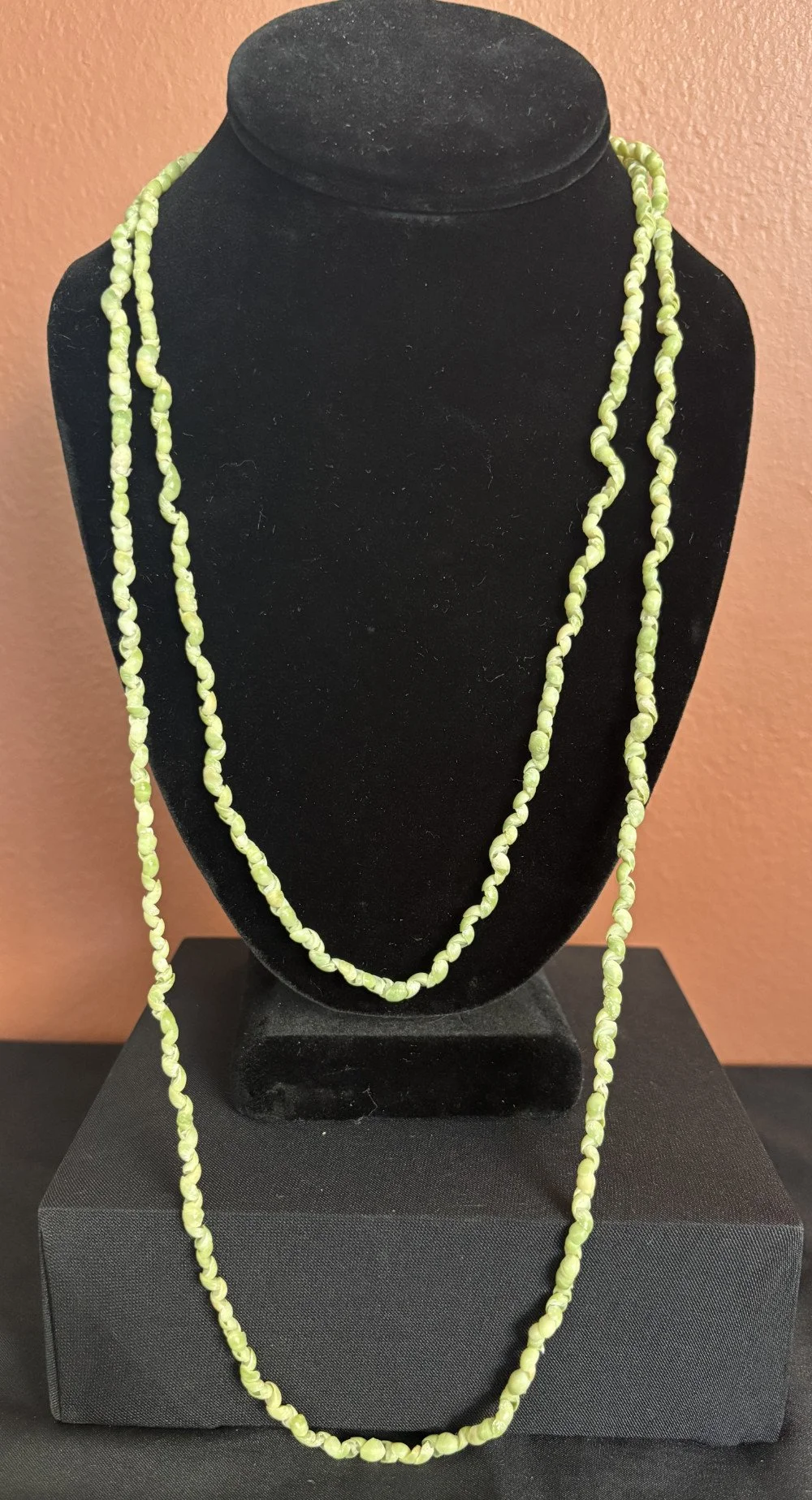
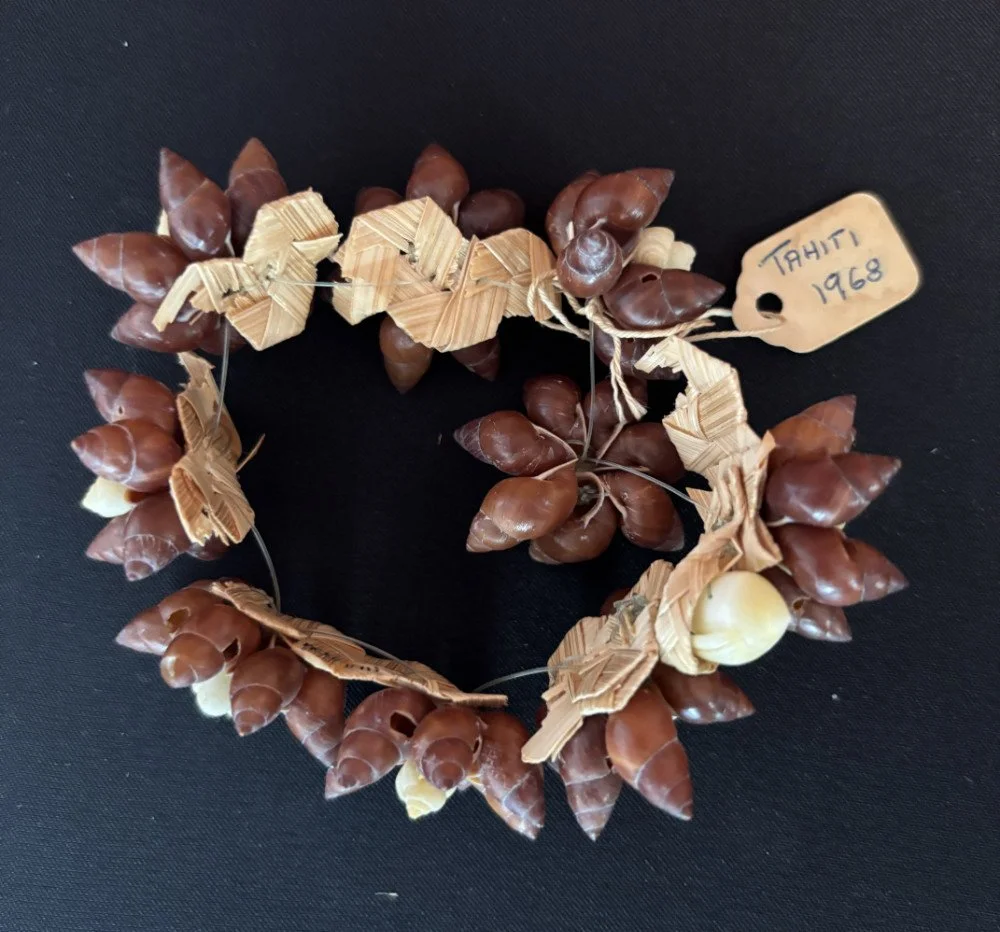
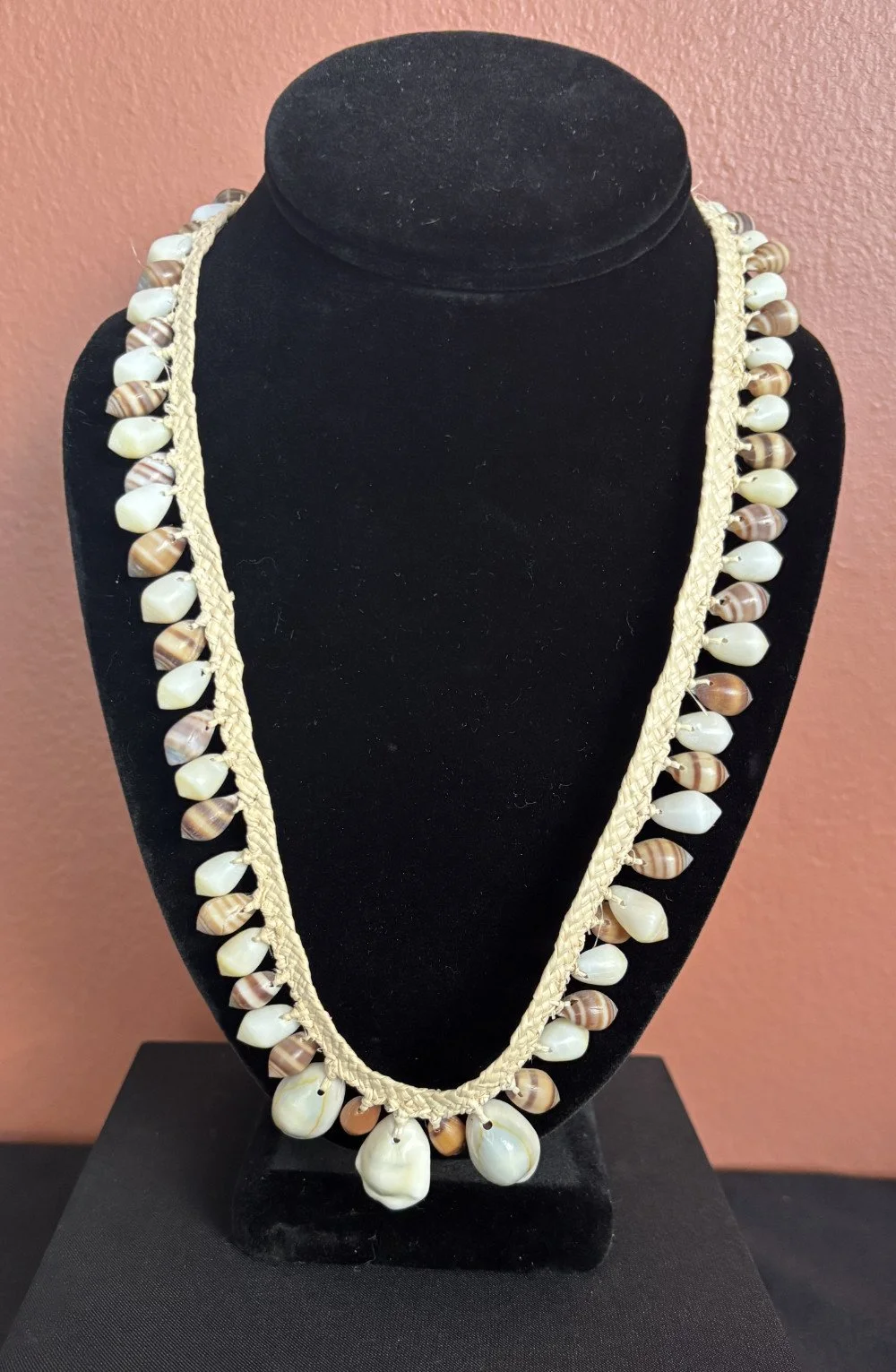
Since these early beginnings, people have continuously used mollusk shells for personal adornment, right up to the present day.
Shell cameos are a particularly noteworthy form of shell jewelry. Cameo is a method of carving an object so that there is a raised (positive) relief image, in which the relief image is of a contrasting color to the background. It is achieved by carefully carving a piece of material with a flat plane where two contrasting colors met, removing all the first color except for the image to leave a contrasting background.
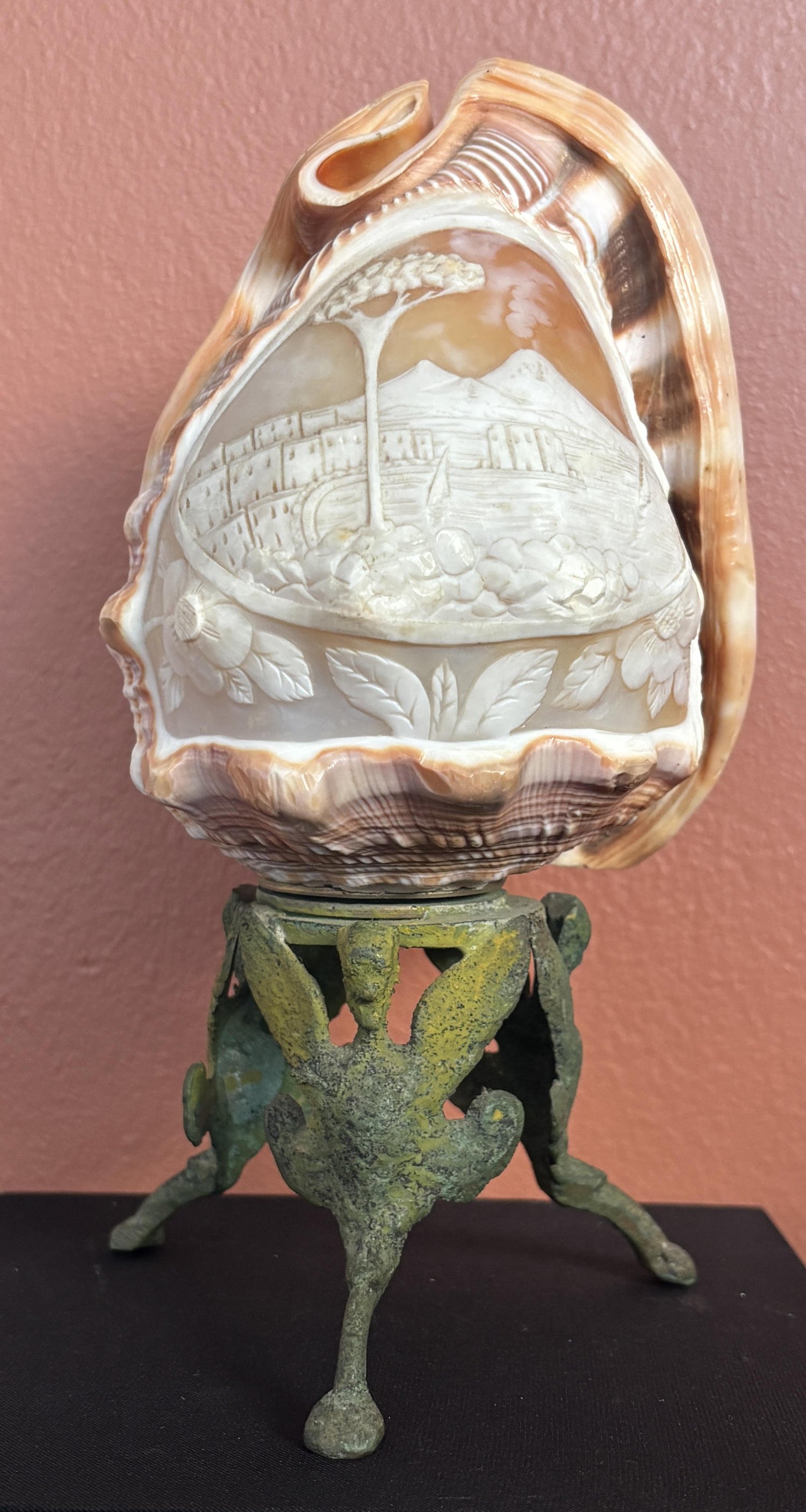
Mollusk shells are perfect for this technique. Although occasionally used in Roman cameos, the earliest widespread use of shell for cameo carving in Europe was during the Renaissance the 15th and 16th centuries. Renaissance cameos are typically white on a grayish background and were carved from the shell of a mussel or cowry. In the mid 18th century, explorations revealed new shell varieties from tropical areas. Helmet shells (e.g., Cassis tuberosa) from the West Indies, and queen conch shells (Aliger gigas) from the Bahamas arrived in Europe, and sparked a big increase in the number of cameos that were carved from shells. Conch shells carve very well, but their color fades over time. Shell cameo pins were very popular in France and Victorian Britain.
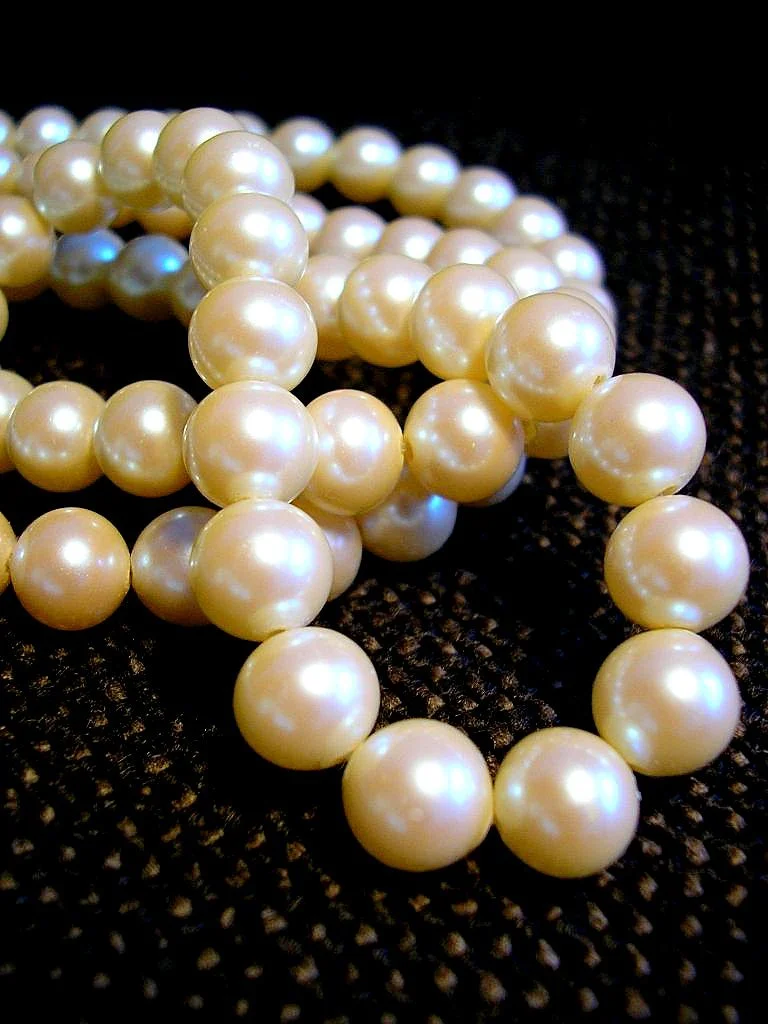
Pearl necklace. Photo by tanakawho (CC BY 2.0) via Wikimedia Commons
Pearls
Pearls are shiny balls of shell (calcium carbonate) that form inside the body of a mollusk as a result of some outside irritation. When a small foreign object like a grain of sand, gets between the mollusk’s mantle and its shell, the animal responds by coating it in nacre, which is the iridescent inner layer of the shell of some (but not all) mollusks. (Learn more about nacre in the Gastropod part of this exhibit.) The nacreous layer of shells – known as “mother of pearl” – is itself frequently used for decorative purposes.
Most pearls sold as jewelry today are “cultured” pearls, meaning they are made by inserting a tiny sphere of shell, usually from a freshwater bivalve, into the body of a marine “pearl oyster” Pinctada margaritifera, and allowing the pearl to grow around it.
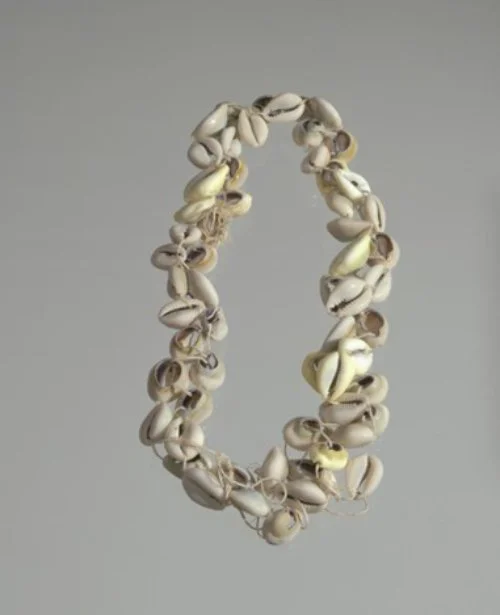
A string of money cowries in the collection of the Smithsonian Institution
Shells as money
The first global currency consisted of shells of a small gastropod (snail), the money cowrie, Monetaria moneta, harvested primarily in the Maldives. Cowrie shells are smooth and glossy because in life the snail covers most or all of its shell with its mantle (soft tissue). Cowries were first used as currency in northwestern China over 4000 years ago and in India as early as the 4th century. They were popular as currency because the shells are difficult to counterfeit, shiny, lightweight, and durable. Cowries circulated longer than any other single currency in history, remaining in use until the mid 1800s.
The Portuguese standardized the use of money cowries as the currency of the slave trade, but British and Dutch traders were quick to follow suit. Between the 16th and 19th centuries, European traders would acquire shipfulls of the shells in the Maldives and exchange them for enslaved persons in West Africa. In the 1600s, about 10,000 shells would be exchanged by European traders for each enslaved person, but within a century so many shells had been transported to West Africa for this purpose that 150,000 shells would be used as payment.
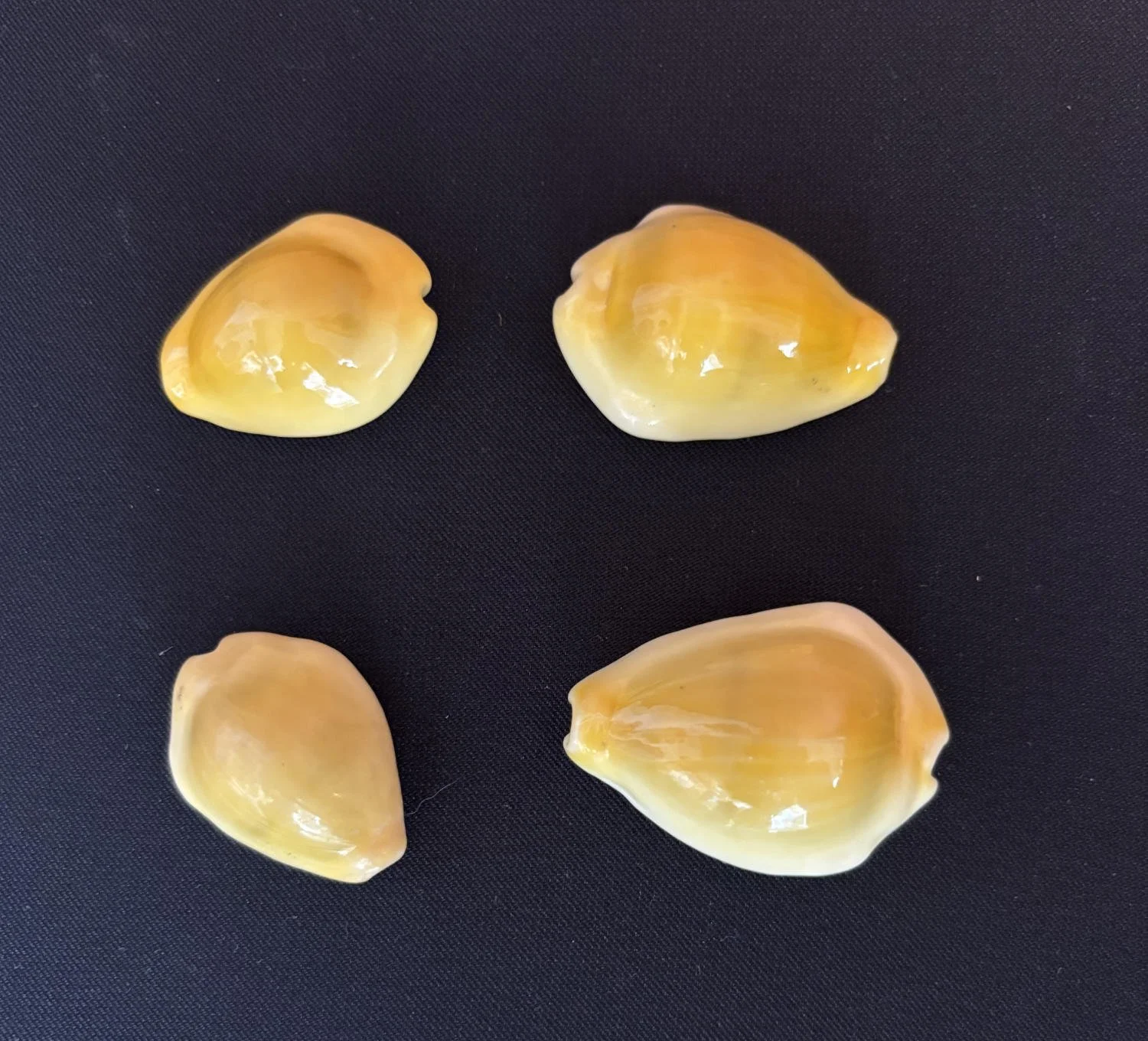
Monetaria moneta (“Money cowries”)
Recent (modern)
Zanzibar, Eastern Indian Ocean
PRI 85525
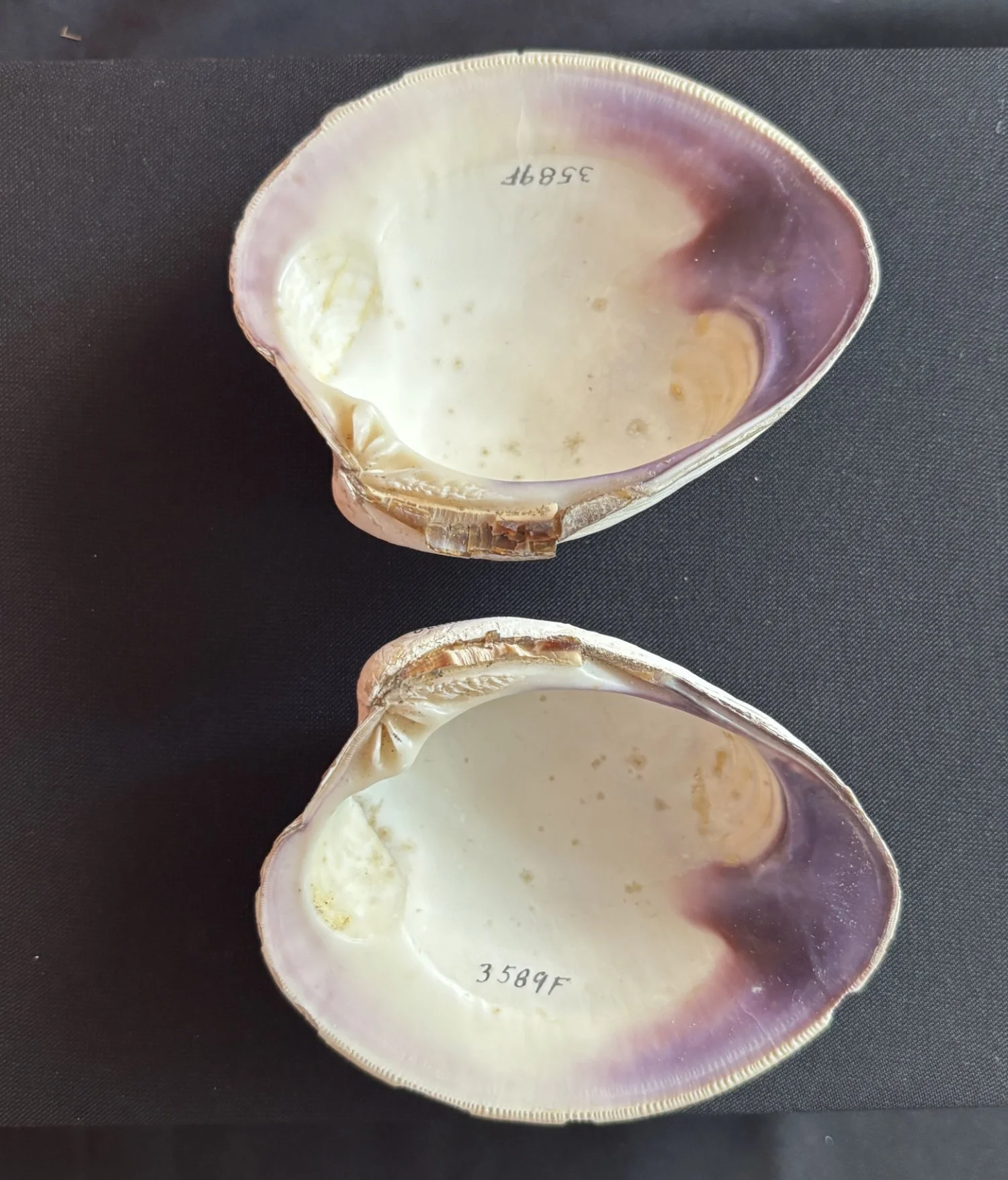
Mercenaria mercenaria (“Quahog”)
Recent (modern)
Towd Point, Suffolk County, New York, USA
PRI 11490
Items made from mollusk shell beads were important traditional objects to many Native American communities in the Northeast and were extensively traded between the 17th and early 19th centuries. Known by the Algonquian word wampumpeag, white shell beads were made from the columella (central axis) of whelks (Busycotypus), while purple shell beads (sewant or suckauhock) were made from the purple parts of the shells of hard clams (Mercenaria mercenaria). Purple beads became easier to create after contact with Europeans, who introduced metal tools for drilling into the shells. Story objects made from these beads were exchanged during diplomatic meetings among Native American nations and between European settlers and indigenous peoples to materially represent spoken agreements. “Wampum” was actually never used as currency by Native Americans, because they did not use money at all. For them, wampum was a representation of a value that could only be realized through its exchange, for example as a recognition of the winner of contests or games. It was the Dutch who first started to use wampum as currency in their trading with native tribes.
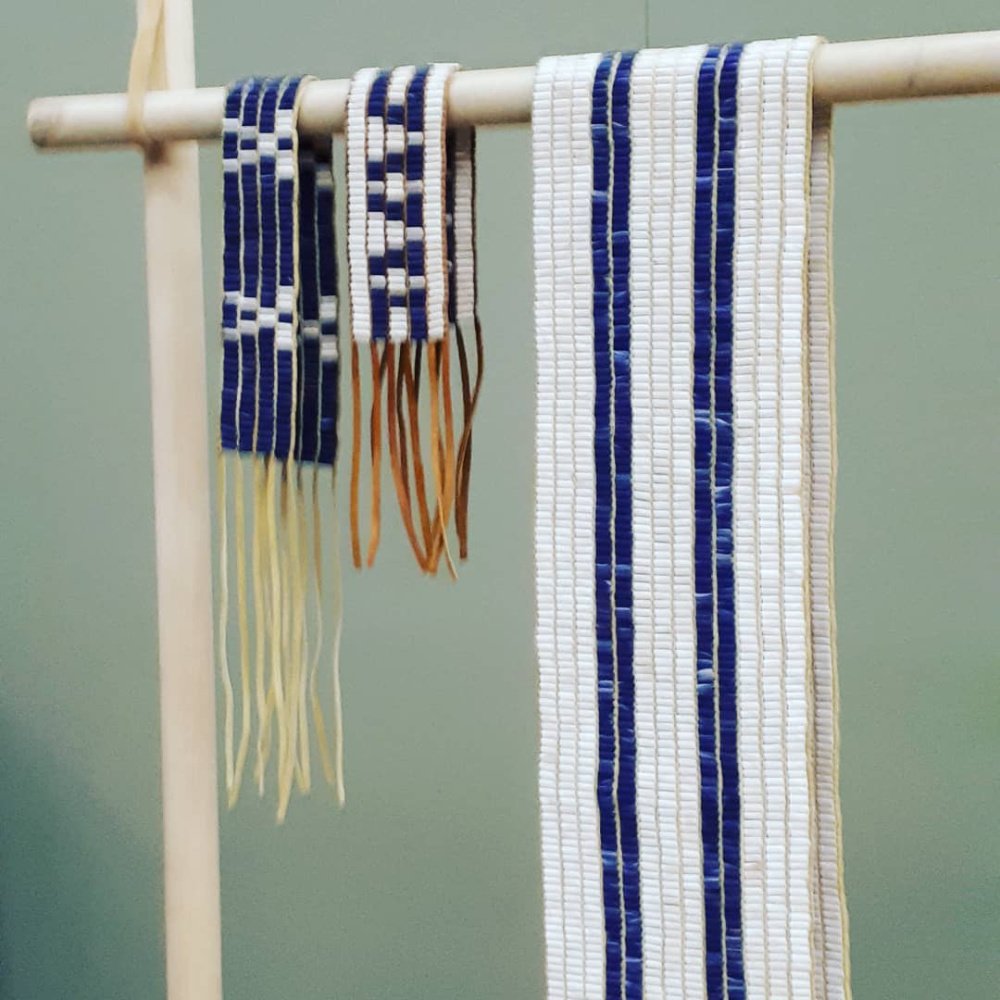
Modern examples and interpretation of wampum.. Photo by Oaktree b (CC BY-SA 4.0 license) via Wikimedia Commons
Mollusks as sources of dyes
Tyrian purple, also known as imperial purple, is a dye made from sea snails in the family Muricidae. The dye was made as early as 1200-1600 BCE by Phoenicians in northern Africa. In ancient times, extracting this dye involved tens of thousands of snails and substantial labor, and as a result, the dye was expensive, leading to the concept of “royal purple.” The use of purple dye was restricted in the Roman Empire to high-ranking officials, and eventually only emperors. One way to get the dye was to crush the snail, which was the primary method of production in the Mediterranean. Others, like dye-makers in western Mexico, found that the snail would spit out a mucus when scared or threatened, which could then be collected for the dye. Different snails produce different color dyes ranging from deep purple to red.
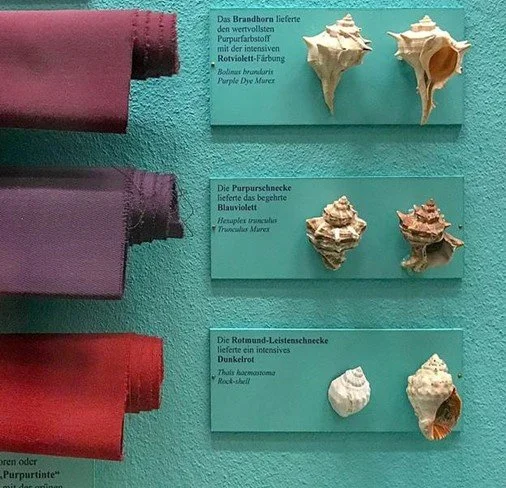
Purple dyed fabrics with their corresponding sea snails, from an exhibit at the Museum of Natural History in Vienna. Photo: U.Name.Me (CC BY-SA 4.0 license) via Wikimedia Commons.

The Roman emperor Justinian (482-565 CE) clad in “royal purple” cloth. 6th-century mosaic at Basilica of San Vitale, Ravenna, Italy. Photo by Petar Milošević (CC BY-SA 4.0 license) via Wikimedia Commons.
Mollusks in Art

Jacques Linard, Still-life of shells and coral on a table top, c. 1640.
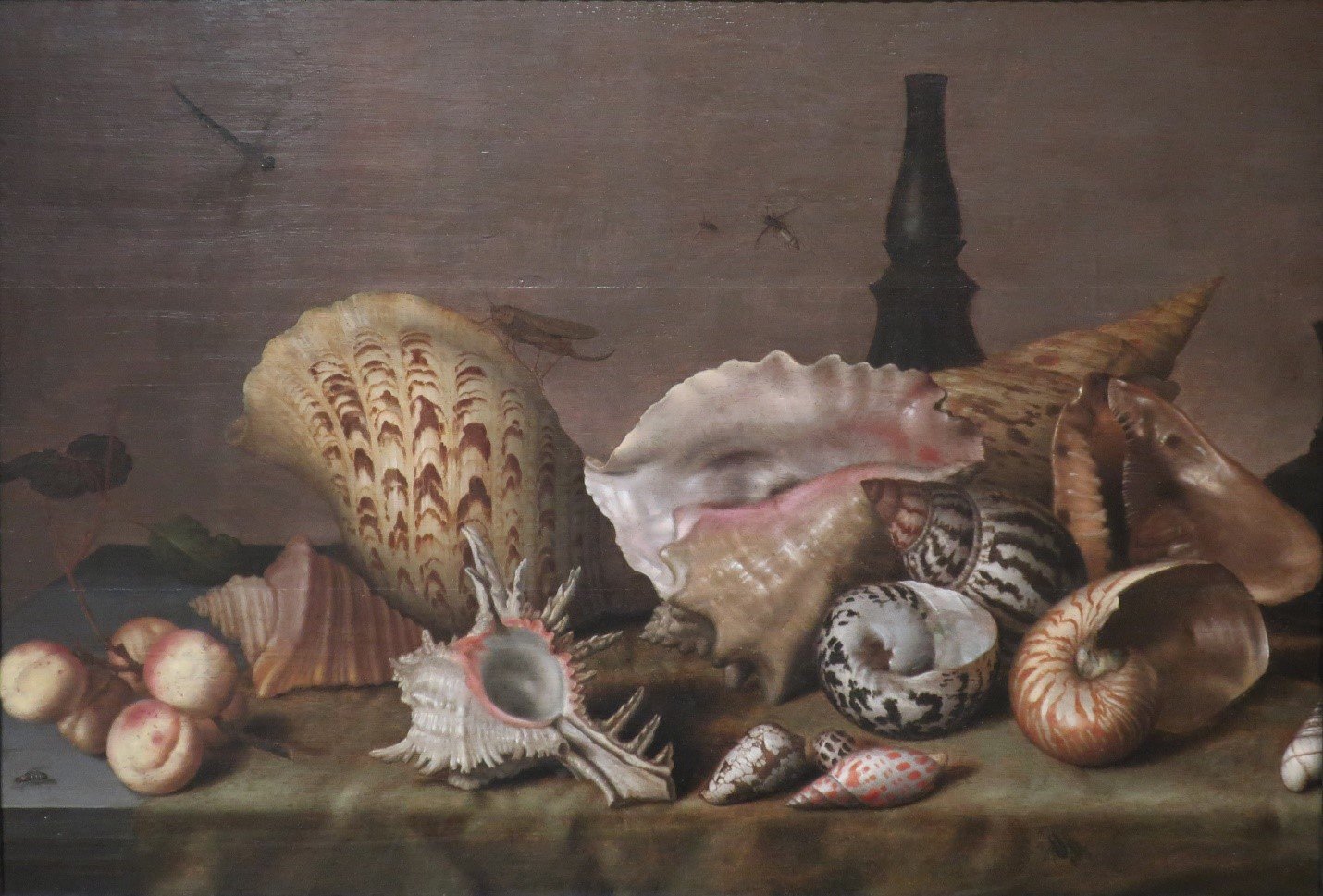
Sea Shells by Balthasar van der Ast (between 1630 and 1650)
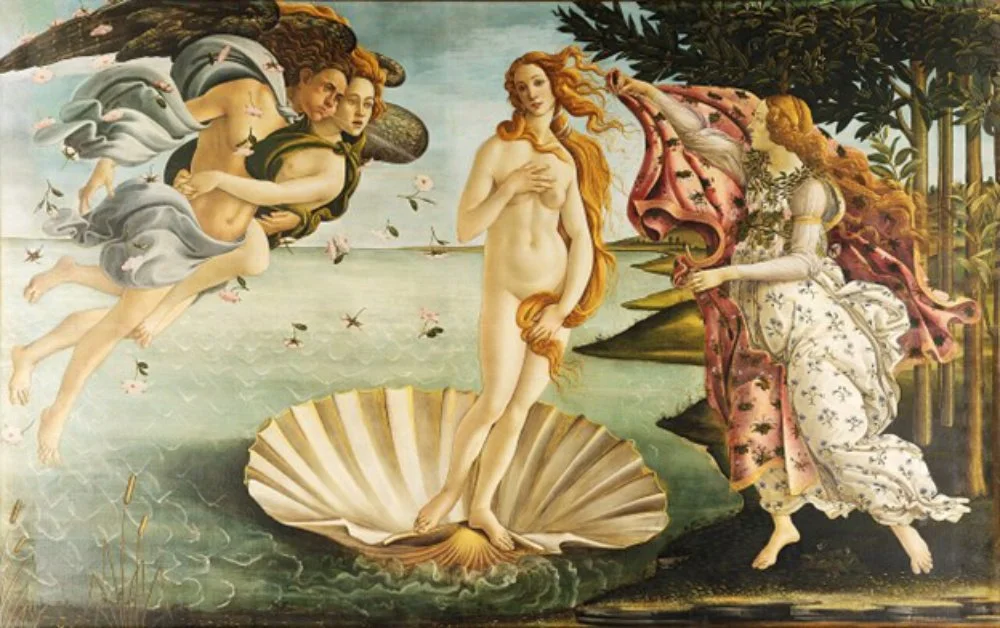
Sandro Botticelli, The Birth of Venus (c. 1484–1486)
The Chambered Nautilus
By Oliver Wendell Holmes, Sr. (1858)
This is the ship of pearl, which, poets feign,
Sails the unshadowed main,—
The venturous bark that flings
On the sweet summer wind its purpled wings
In gulfs enchanted, where the Siren sings,
And coral reefs lie bare,
Where the cold sea-maids rise to sun their streaming hair.
Its webs of living gauze no more unfurl;
Wrecked is the ship of pearl!
And every chambered cell,
Where its dim dreaming life was wont to dwell,
As the frail tenant shaped his growing shell,
Before thee lies revealed,—
Its irised ceiling rent, its sunless crypt unsealed!
Year after year beheld the silent toil
That spread his lustrous coil;
Still, as the spiral grew,
He left the past year’s dwelling for the new,
Stole with soft step its shining archway through,
Built up its idle door,
Stretched in his last-found home, and knew the old no more.
Thanks for the heavenly message brought by thee,
Child of the wandering sea,
Cast from her lap, forlorn!
From thy dead lips a clearer note is born
Than ever Triton blew from wreathèd horn!
While on mine ear it rings,
Through the deep caves of thought I hear a voice that sings:—
Build thee more stately mansions, O my soul,
As the swift seasons roll!
Leave thy low-vaulted past!
Let each new temple, nobler than the last,
Shut thee from heaven with a dome more vast,
Till thou at length art free,
Leaving thine outgrown shell by life’s unresting sea!
Shells as Curios
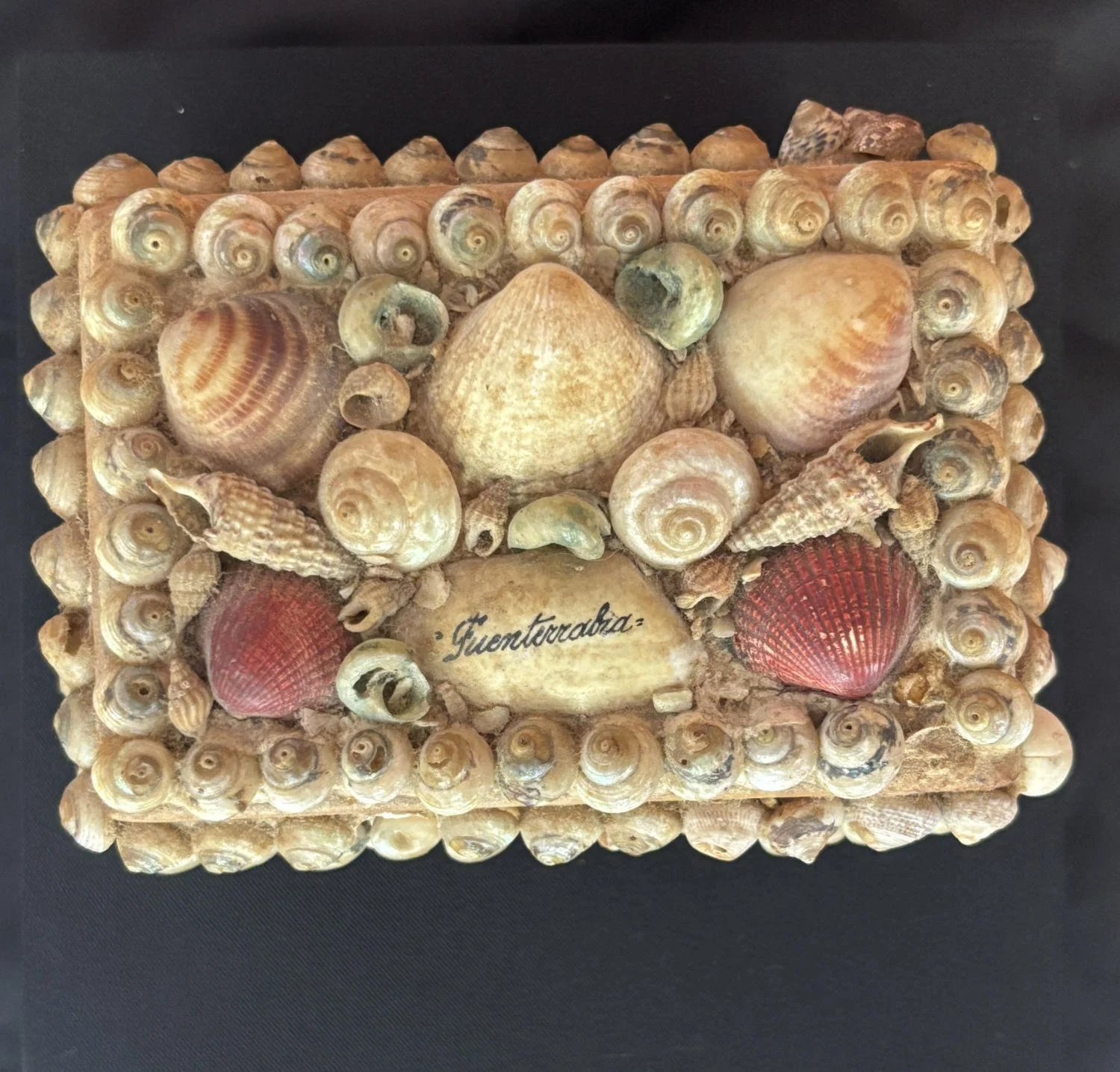
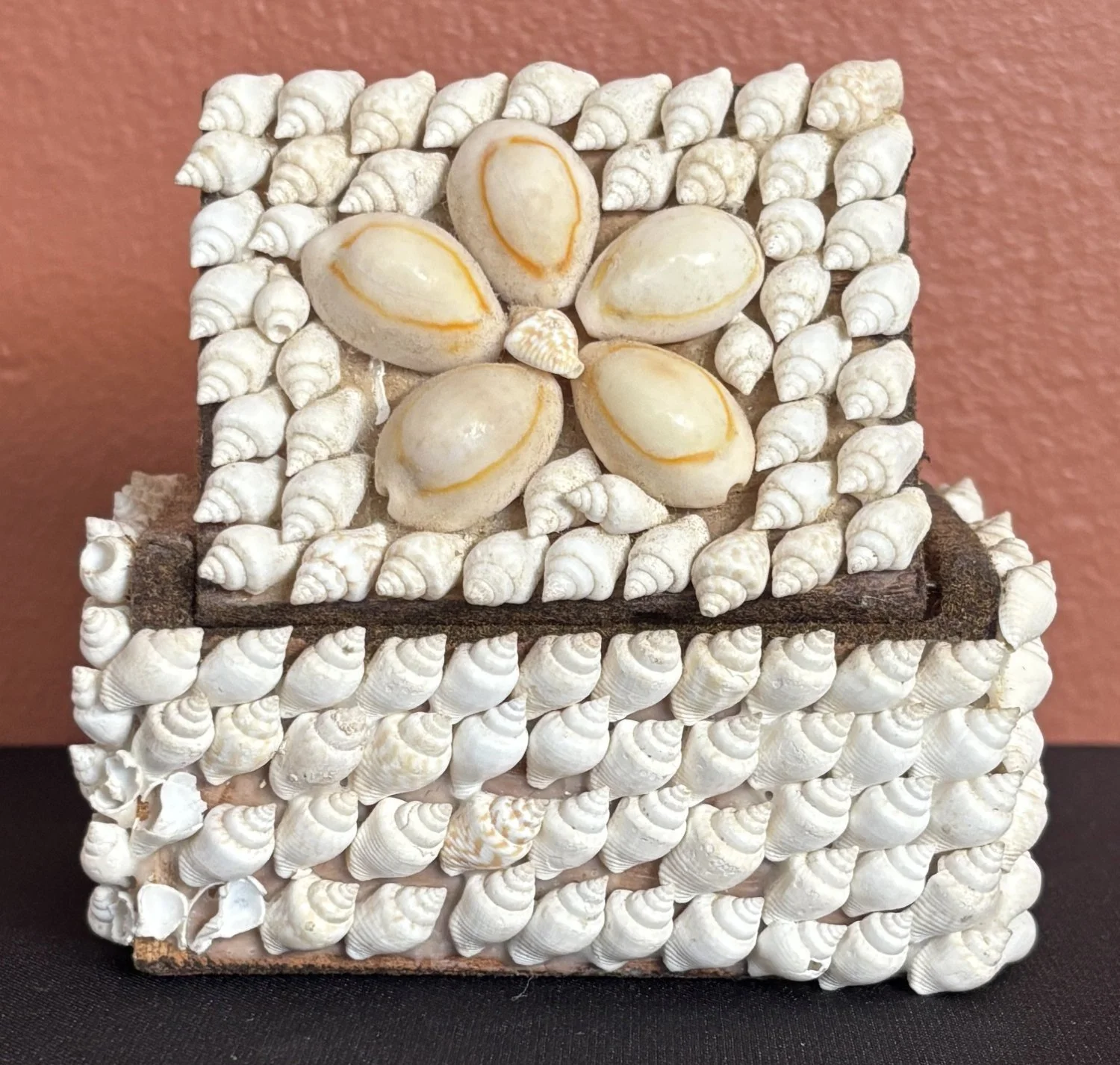
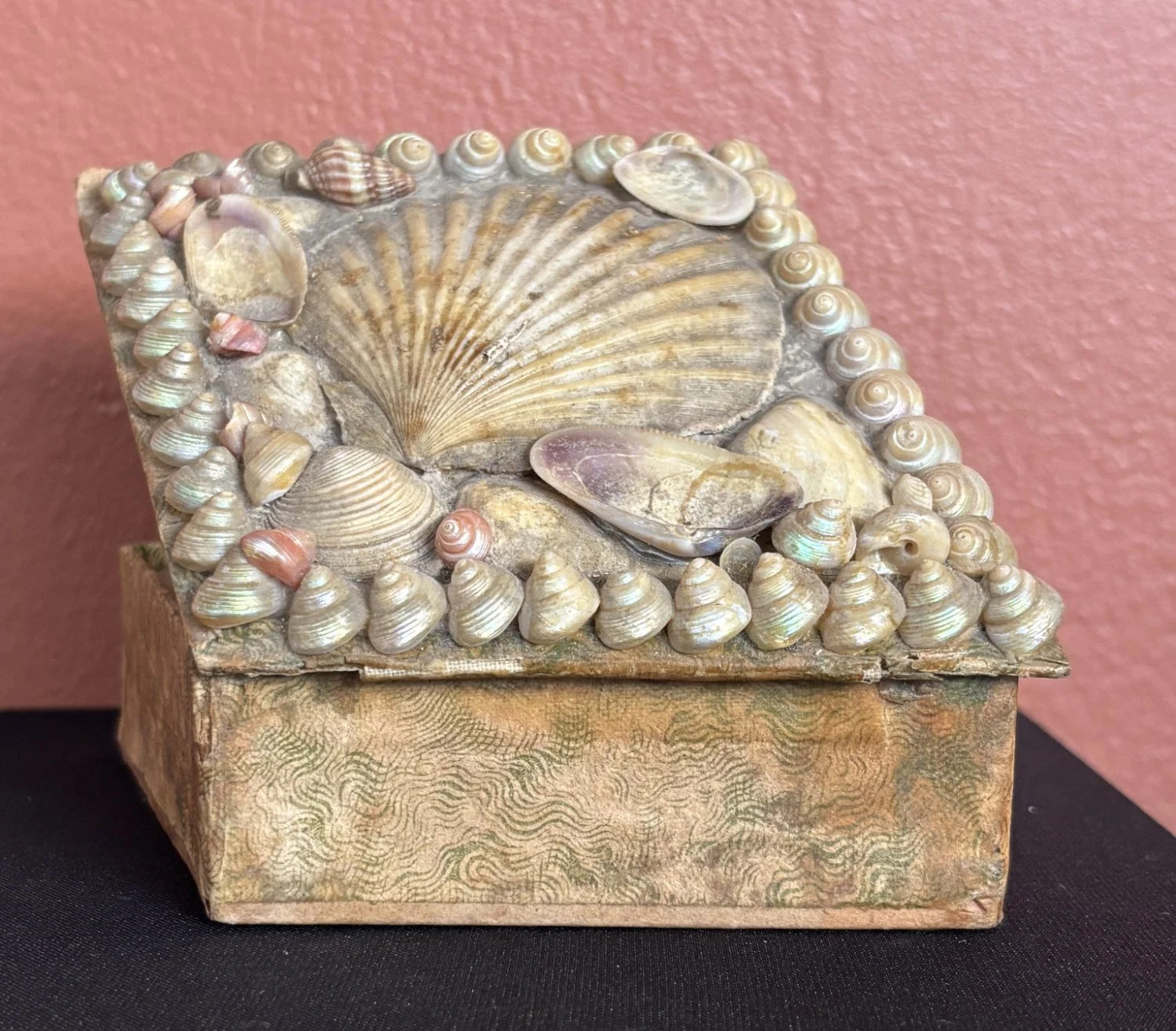
In addition to jewelry, mollusk shells have been used for decorating a huge array of items throughout human history, right up to the present day.
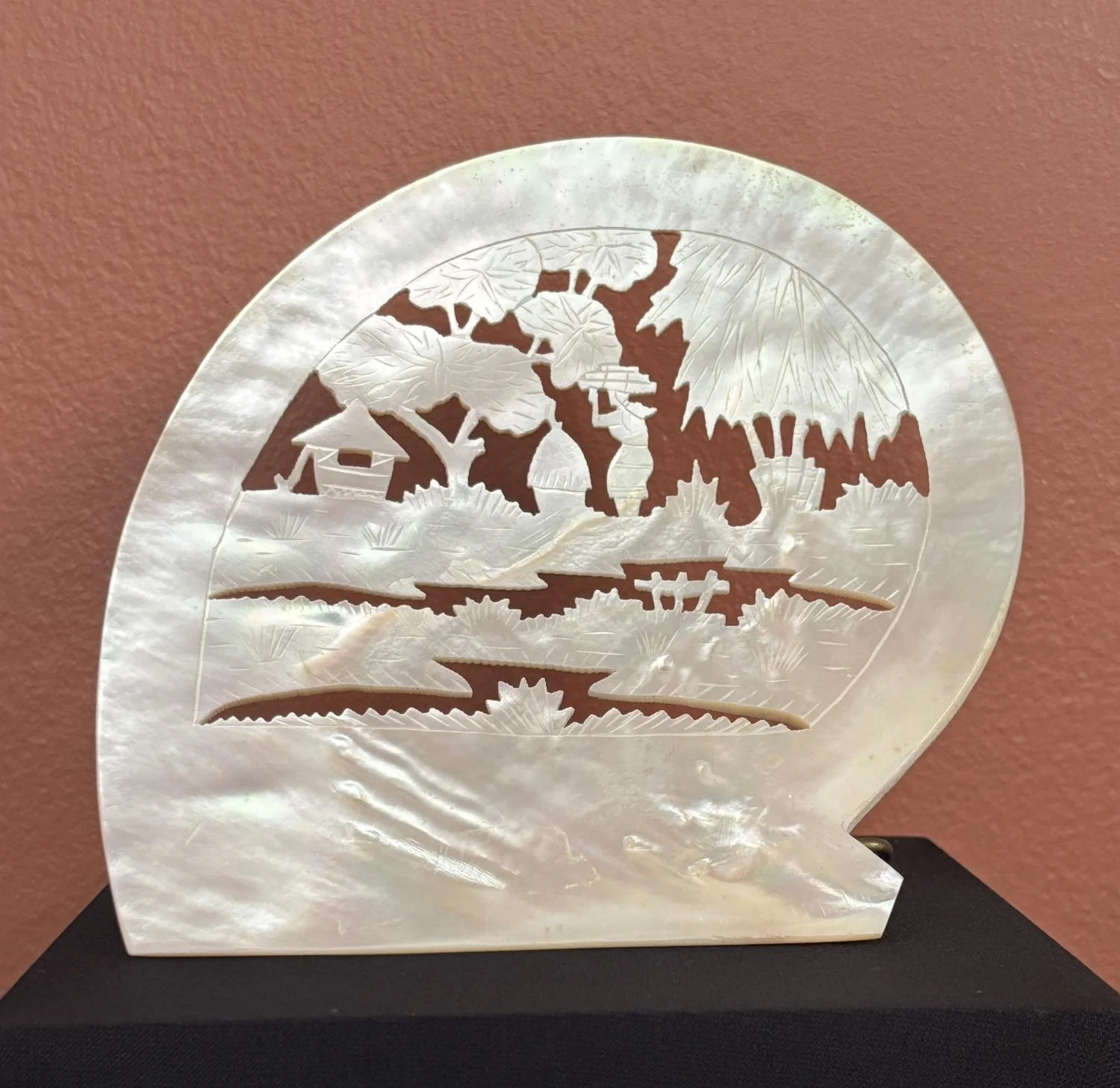
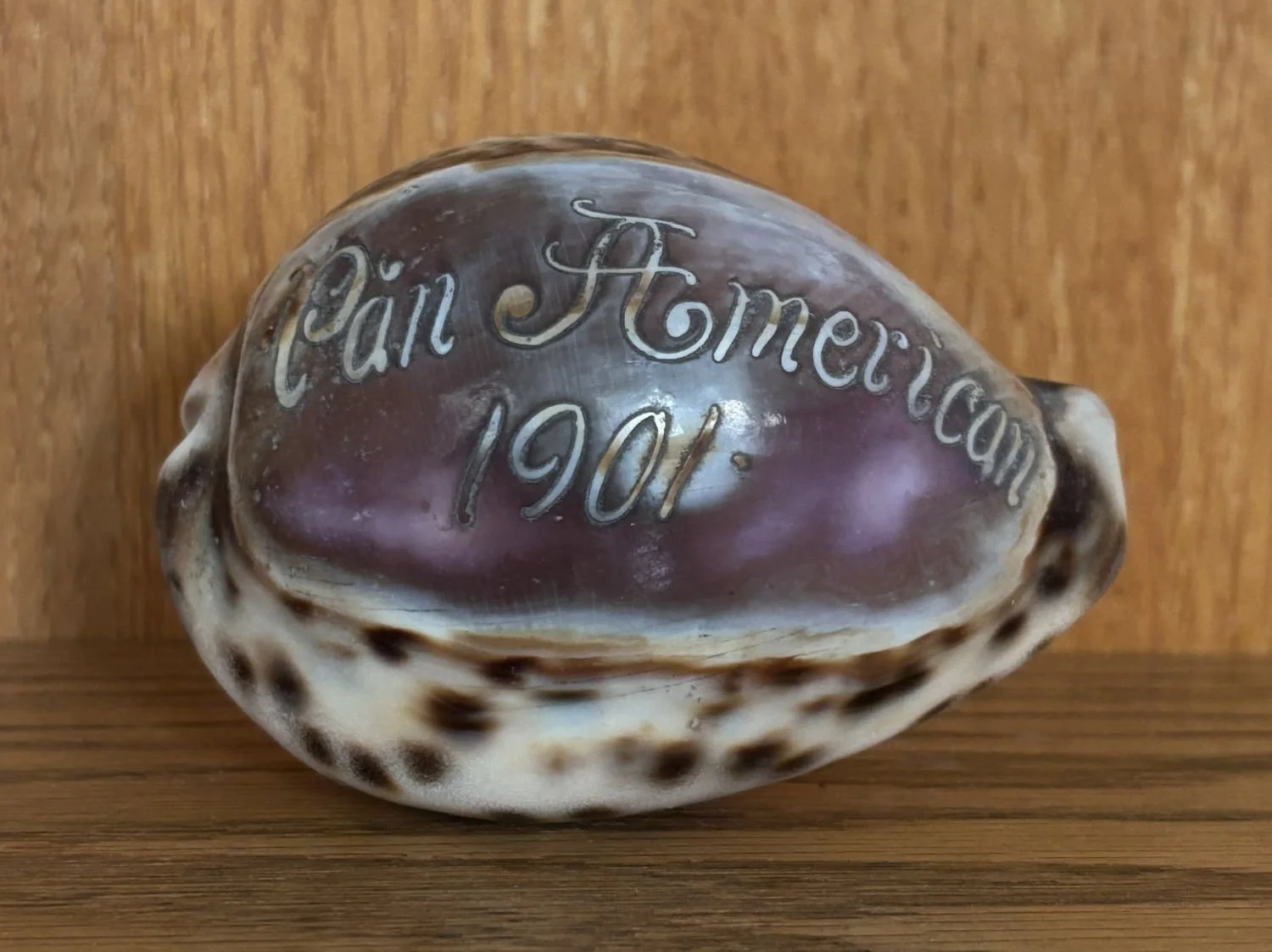
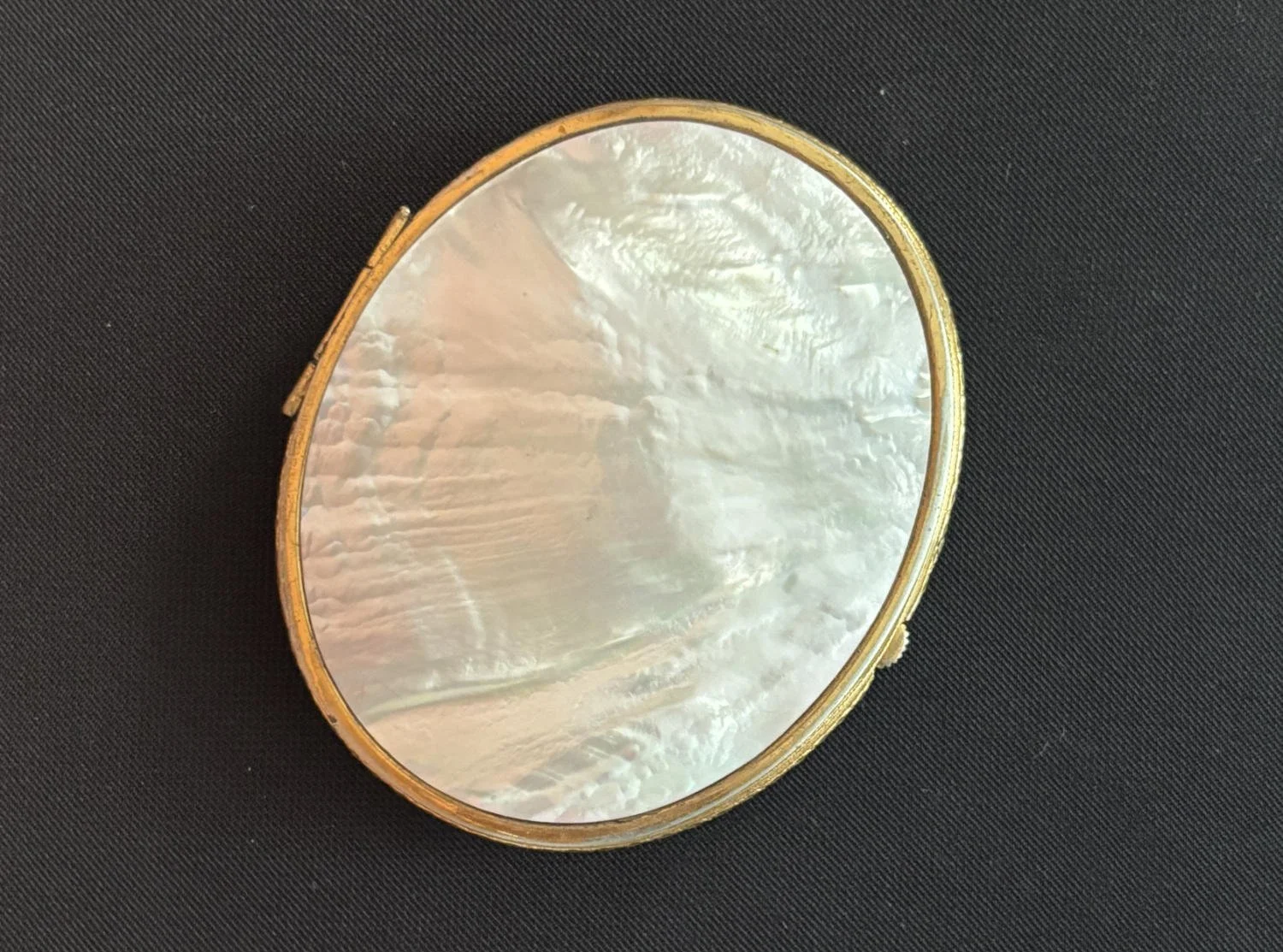
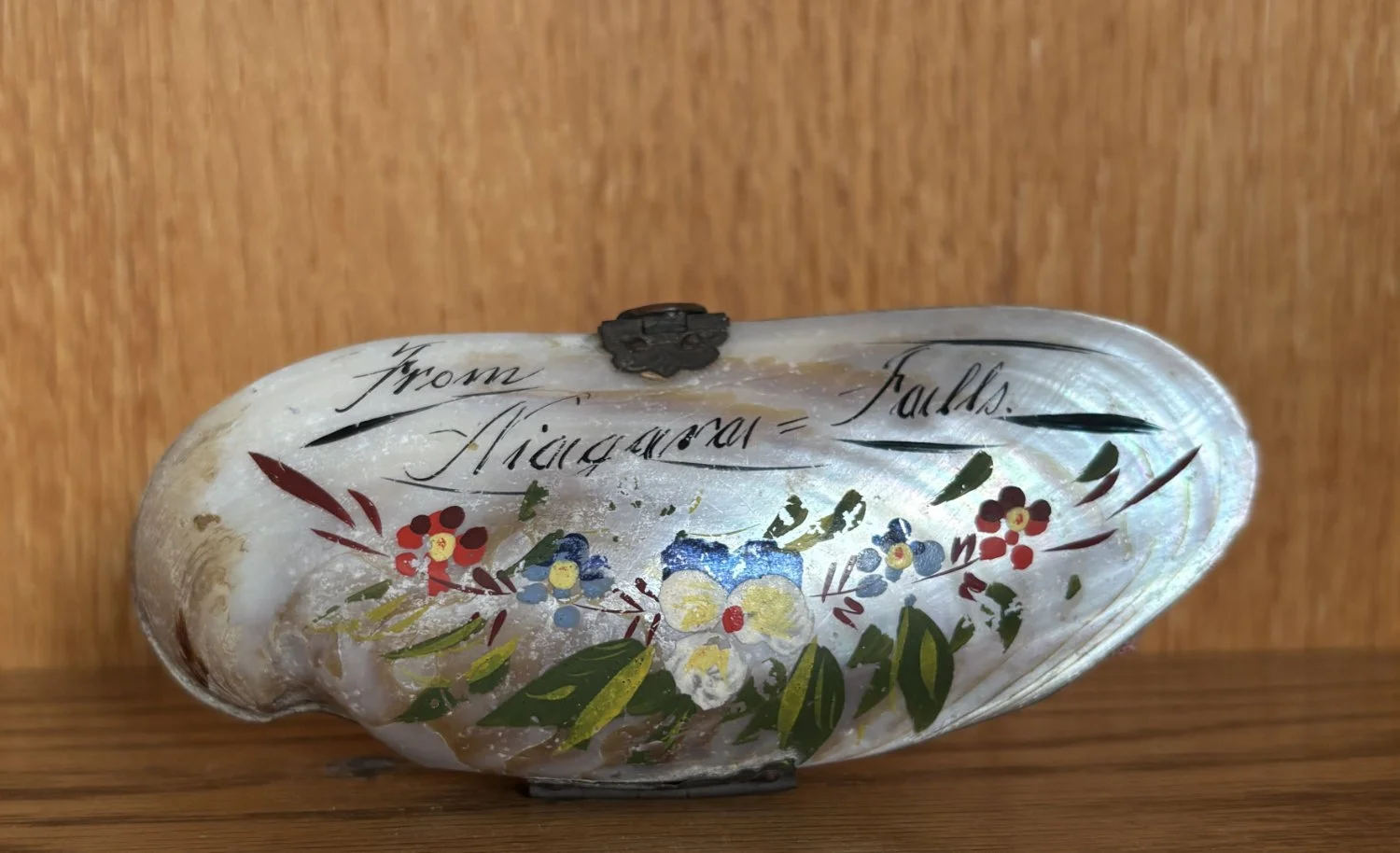
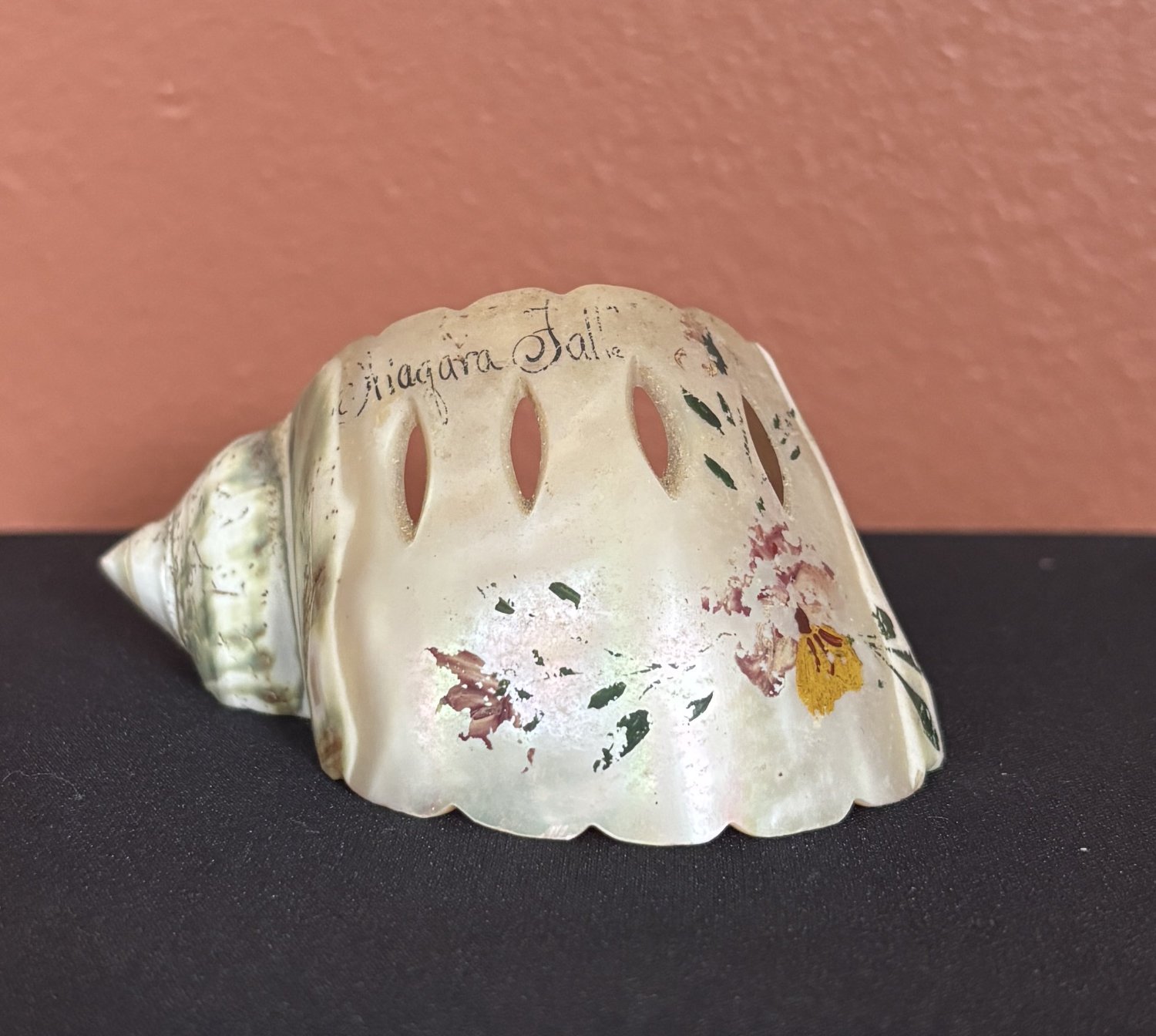
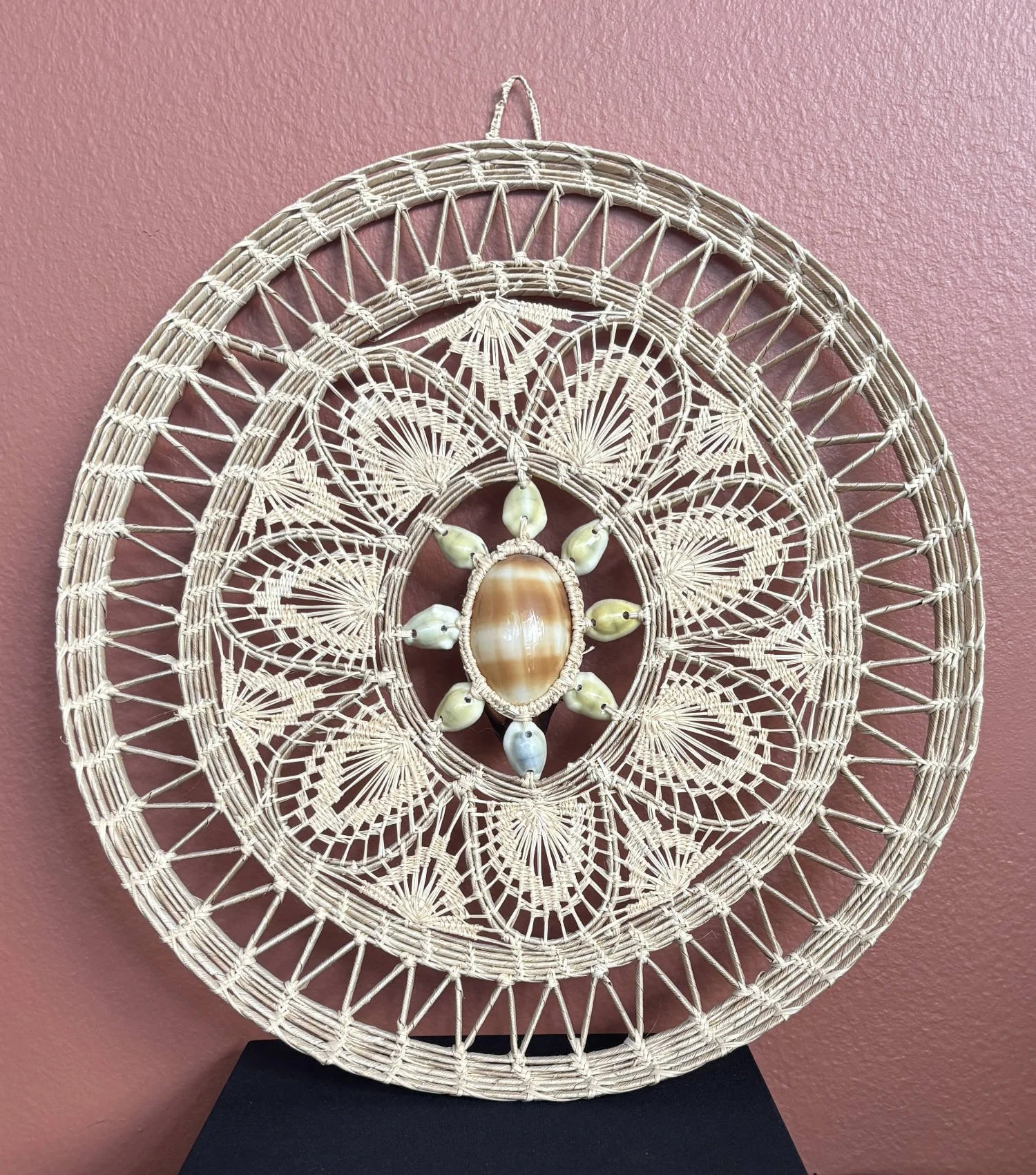
Souvenir Boxes
Books About Shells
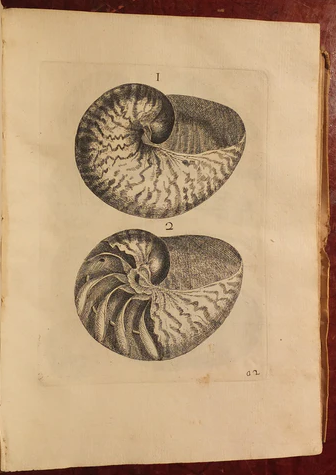
Printing with movable type was invented in the 1400s, and printing of images with wooden and eventually metal blocks and plates soon followed and made possible illustrated books about shells. Printed books allowed people to share information about shells much more widely than they had before. European exploration further stimulated interest in shells from what Europeans considered exotic foreign lands and seas, and by the 1600s there were hundreds of books being published in Europe about shells.
The first book entirely devoted to mollusks and their shells was Ricreatione dell’Occhio e della Mente (“Recreation of the mind and eyes in observing shell animals”), by Jesuit scholar Filippo Buonanni (1638-1725), published in Rome in 1681. (A Latin edition, with additional illustrations, Recreatio Mentis et Oculi in observatione Animalium Testaceorum, appeared in 1684; this edition is pictured here. It is the oldest of thousands of volumes on mollusks and shells in PRI’s Library).
Shells for Crafts and Home Decorating
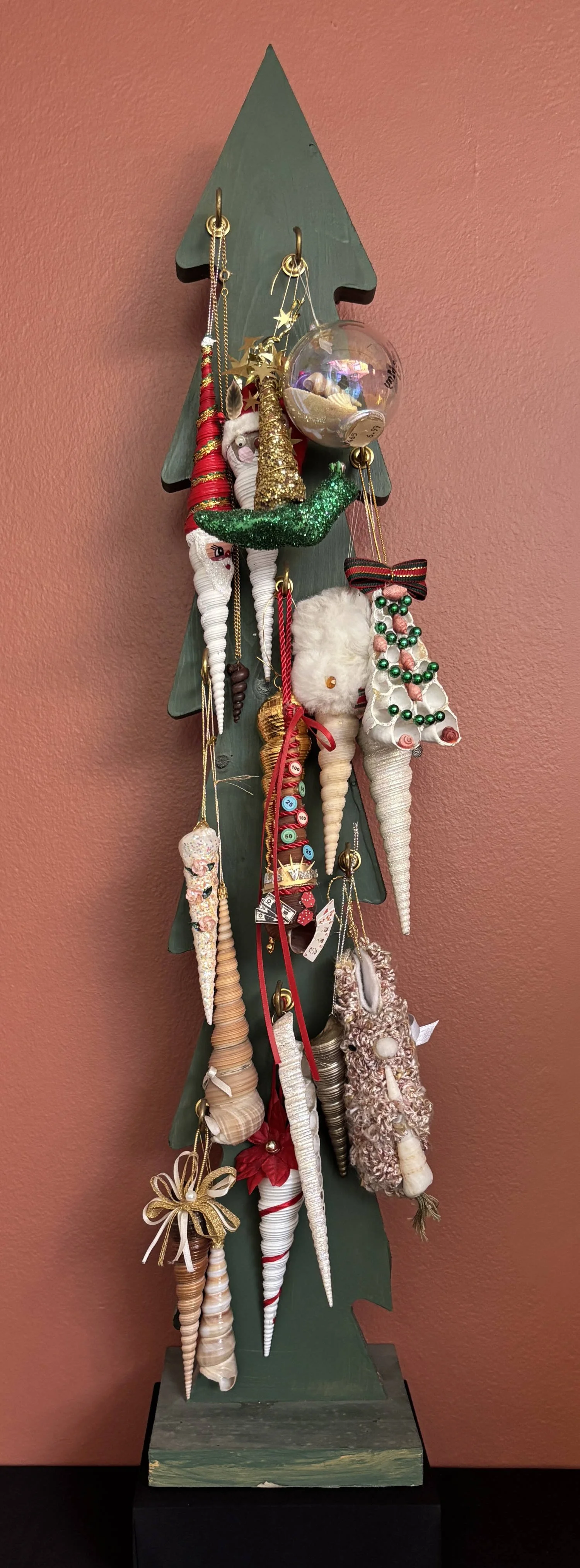
Wooden Christmas tree cutout with ornaments using or based on modern turritellid gastropod shells (Family Turritellidae). Various sources. All late twentieth century. PRI Education Collection
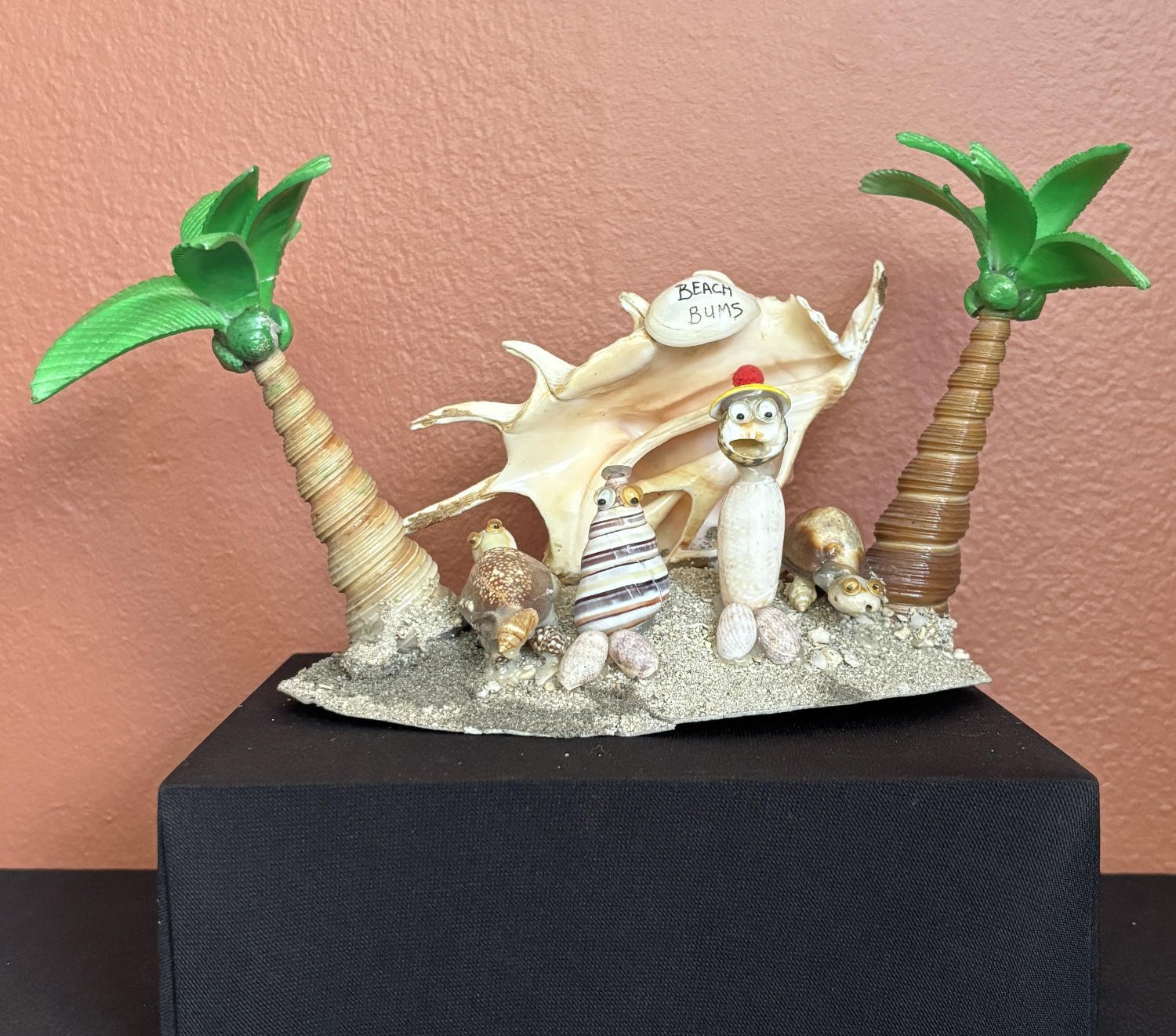
“Beach Bums” shell craft, made with various modern marine shells. Sanibel Island, Florida, 1990s. PRI Education Collection
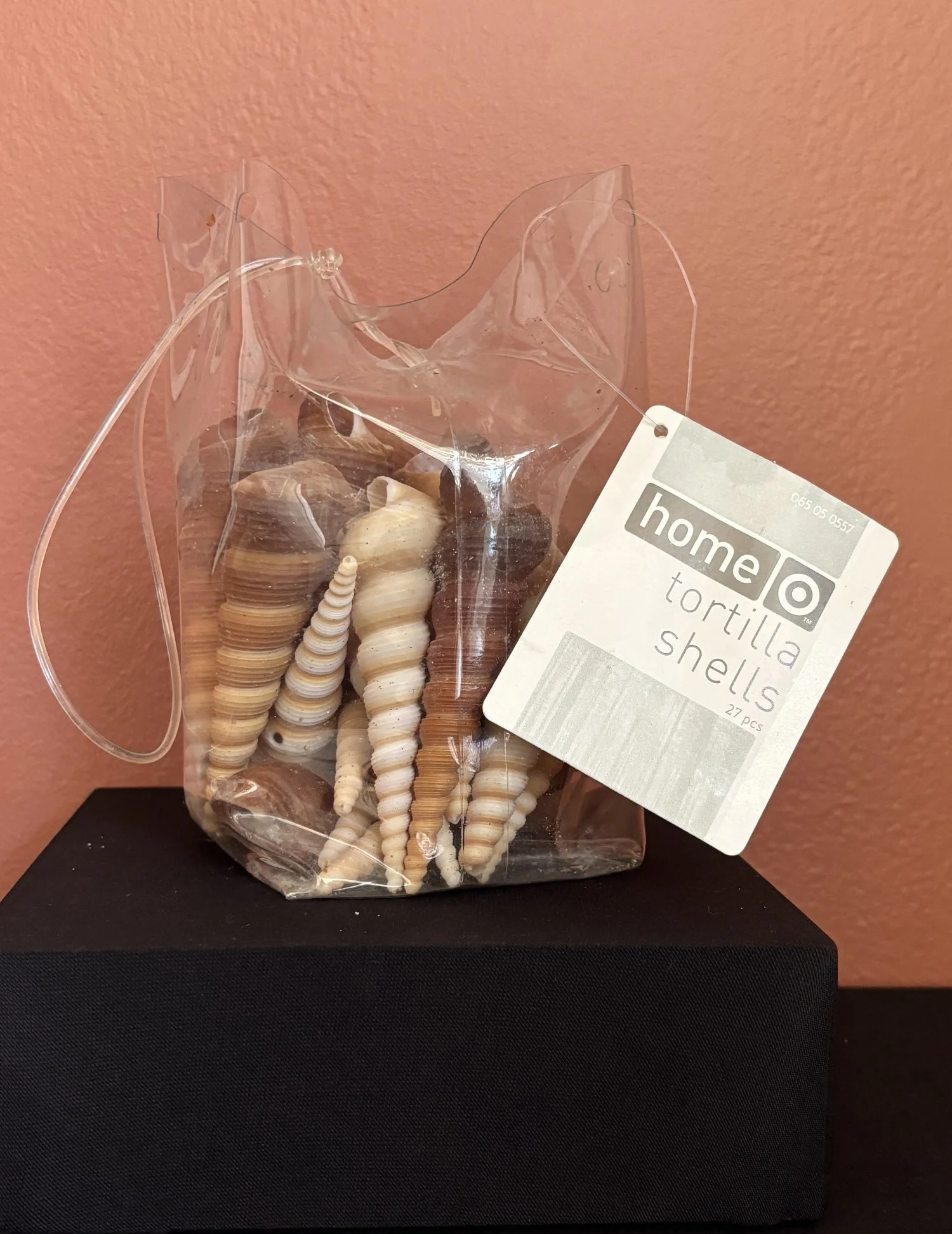
Bag of modern shells (Turritella terebra) for home décor. Purchased at Target in Ithaca, New York, 2000s. PRI Education Collection
MOLLUSKS AND CONSERVATION
The International Union for Conservation of Nature (IUCN) assigns species a conservation status (e.g., Extinct, Endangered, Vulnerable, Least Concern). Unfortunately most mollusks have not been studied enough to determine their conservation status with any confidence, so most are categorized as either “data deficient” or “unstudied”. More information on the basic biology of most mollusks is sorely needed.
Unionoids
Unionoids (technically, members of the superfamily Unionoidea) are a group of freshwater clams. They inhabit lakes and rivers worldwide, but they are most diverse in North America, with more than 300 recognized species and subspecies. China and Southeast Asia also have diverse faunas.
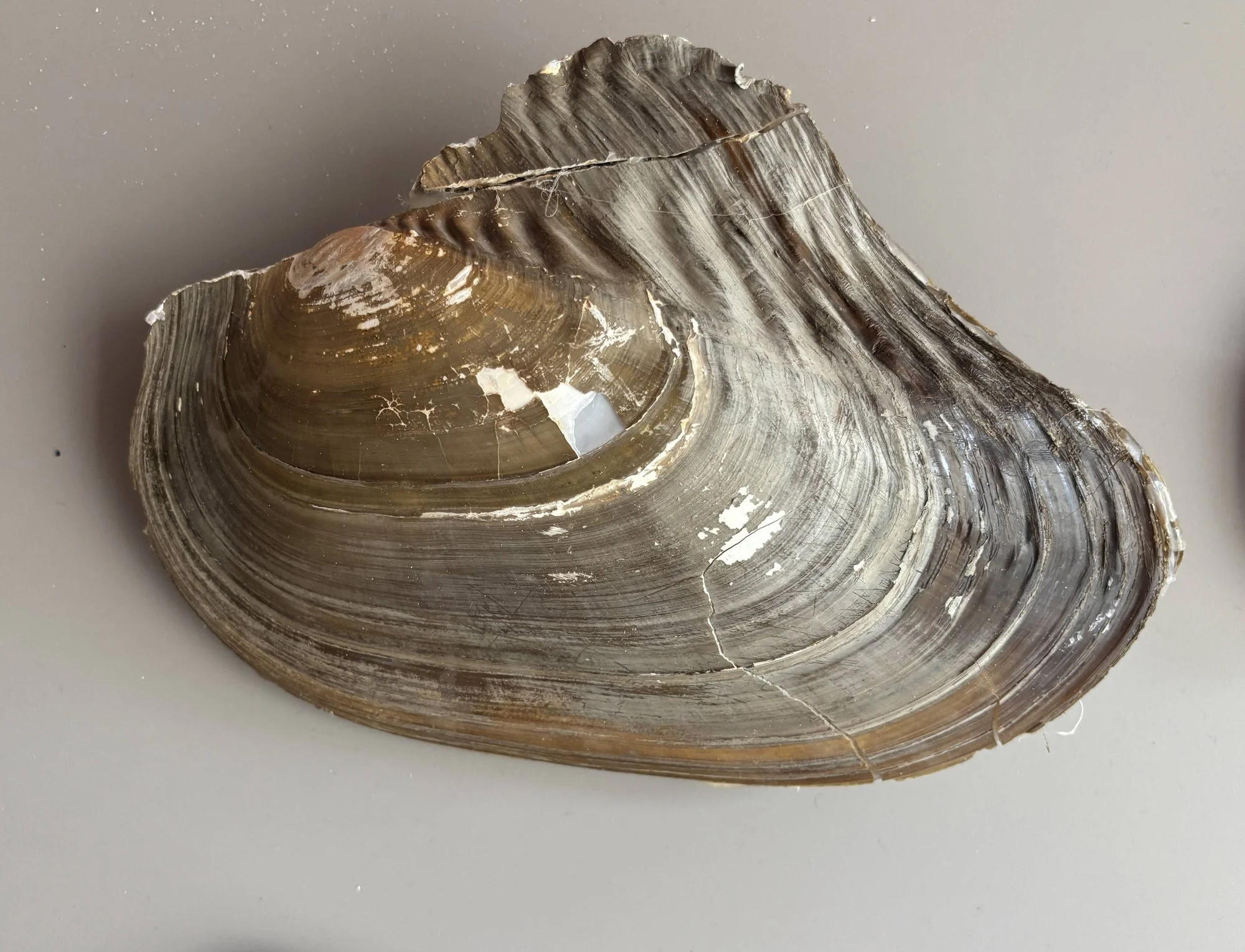
Cristaria plicata, Recent (modern)
Beijing, China, PRI 114834, Donated by Howard Evans
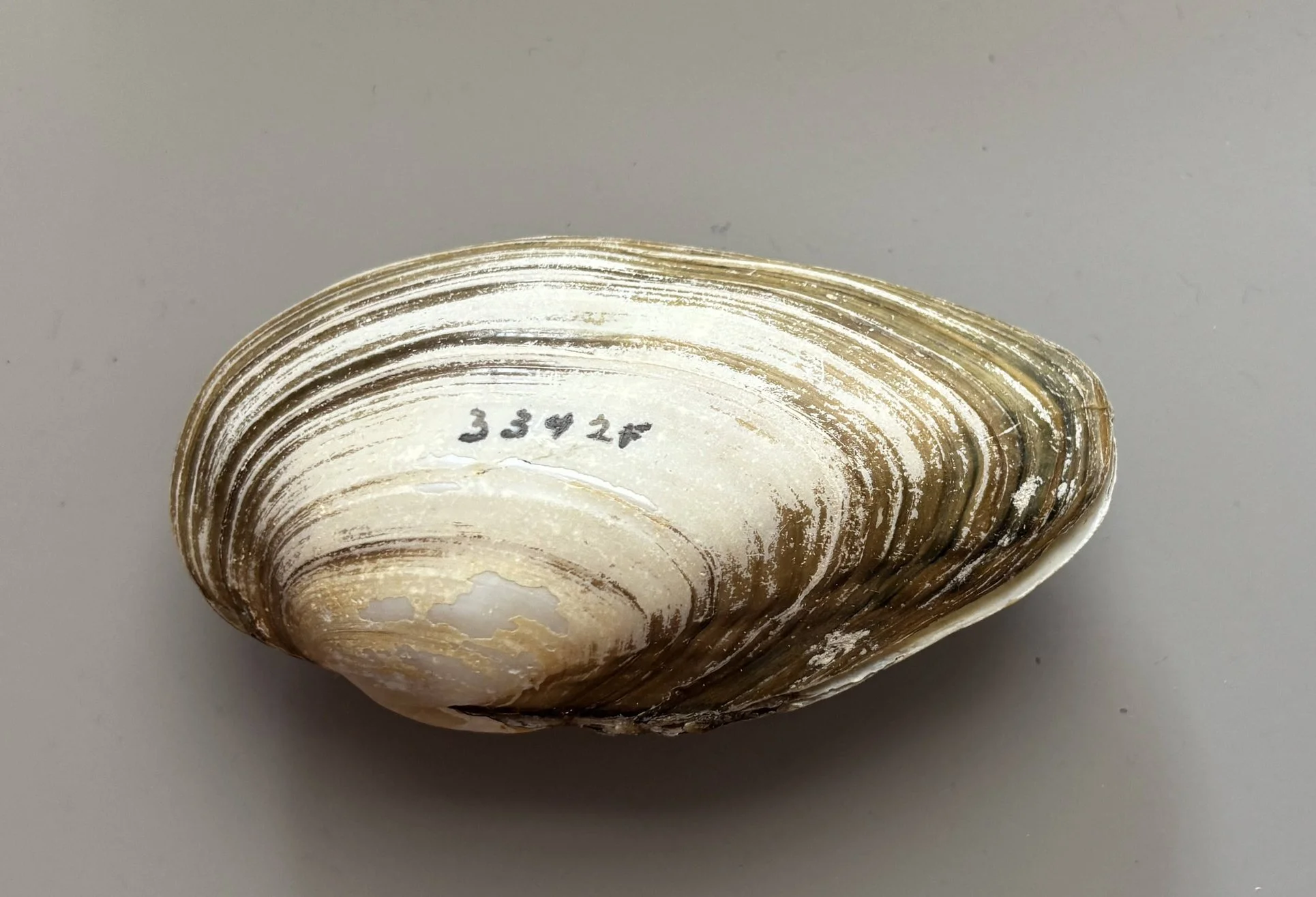
Anodontia grandis, Recent (modern)
Sheldrake (Cayuga Lake), Seneca County, New York, USA PRI 3342F
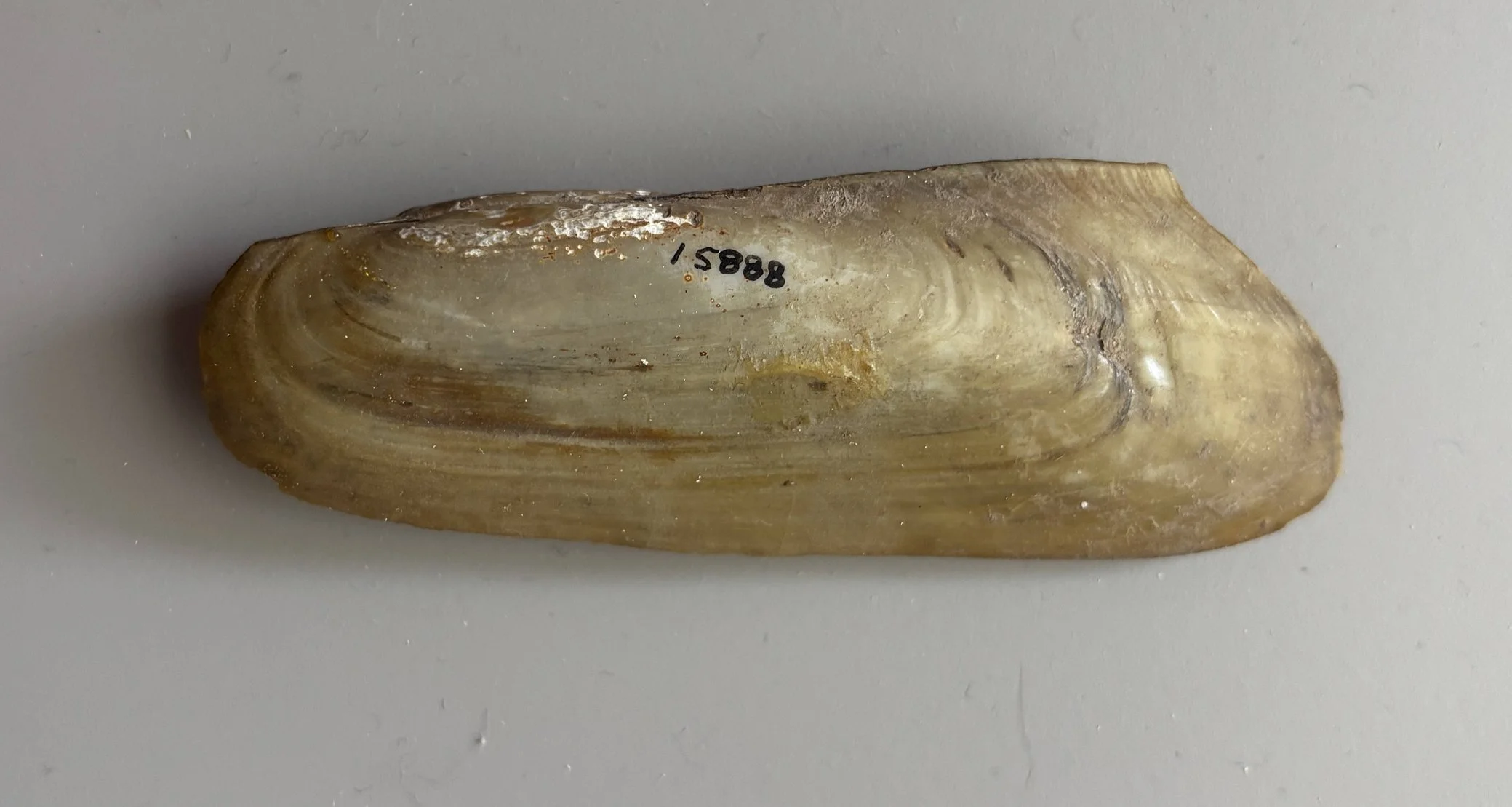
Mycetopoda siliquosa, Recent (modern)
Upper Amazon River, Brazil, PRI 90939
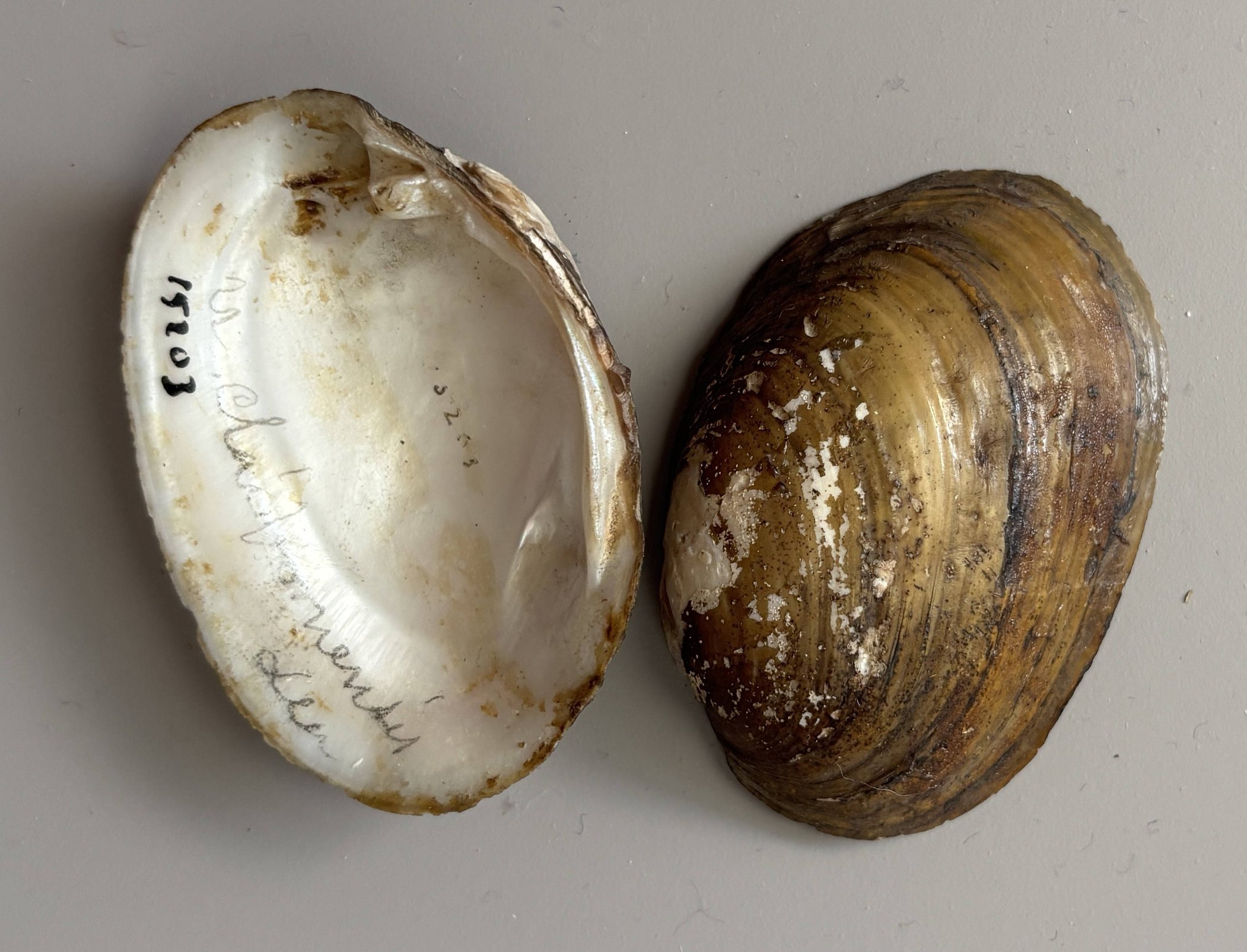
Lampsilis straminea, Recent (modern)
Alabama River, Alabama, USA PRI 91410
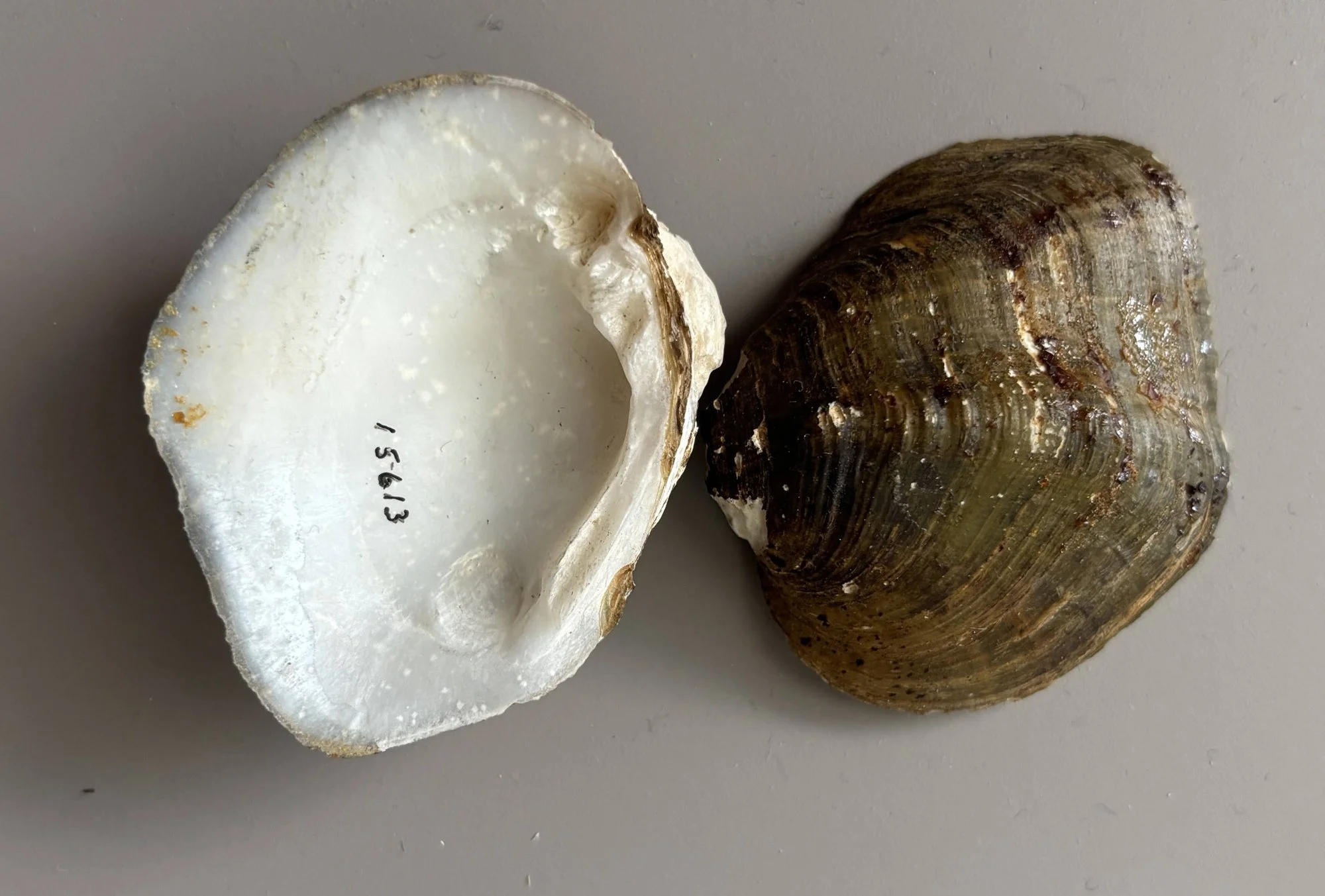
Epioblasma sampsonii, Recent (modern) EXTINCT
Tennessee River, Tennessee, USA PRI 92089
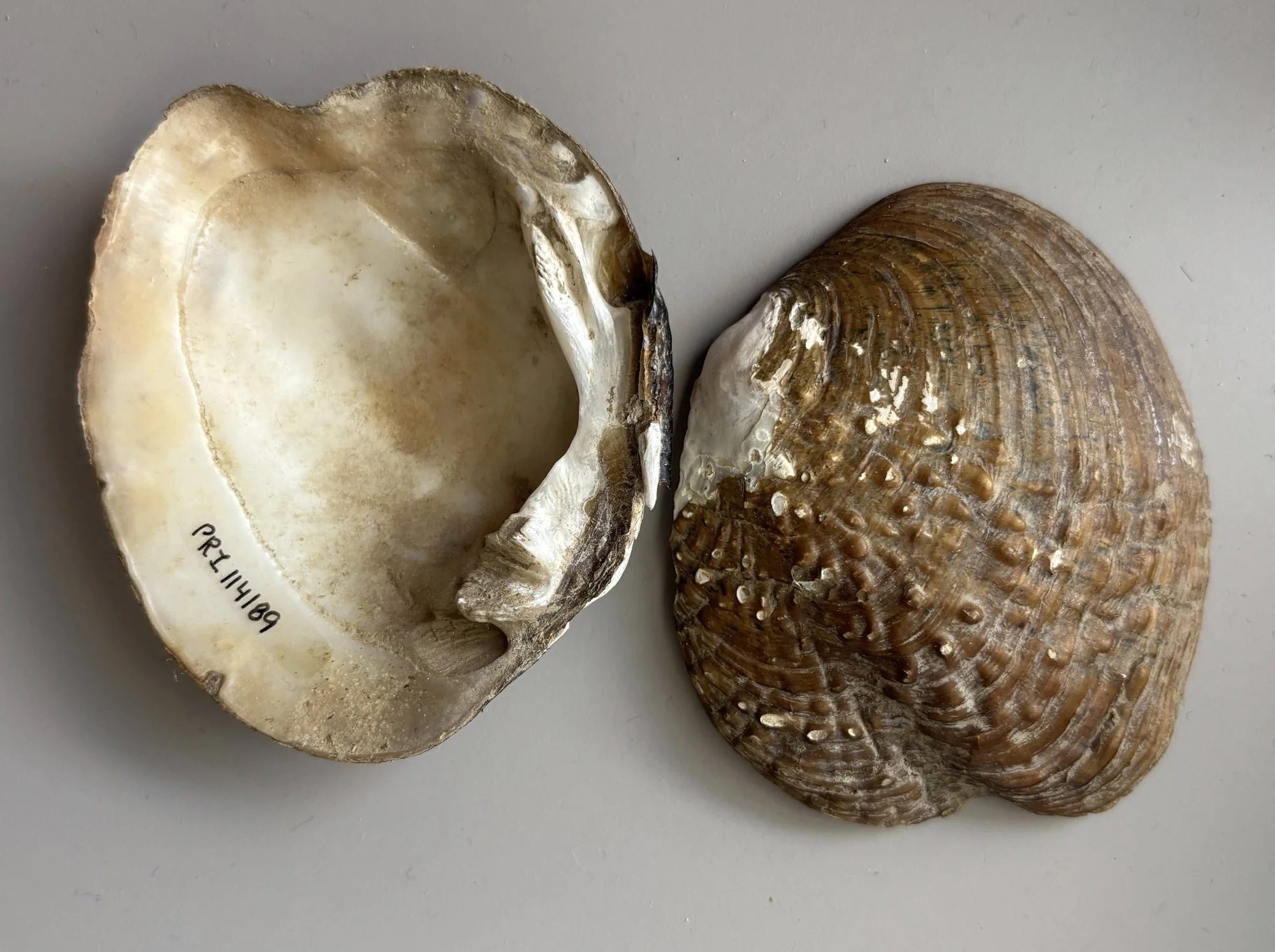
Theliderma intermedia, Recent (modern) ENDANGERED
Powell River, Hancock County, Tennessee, USA PRI 114189
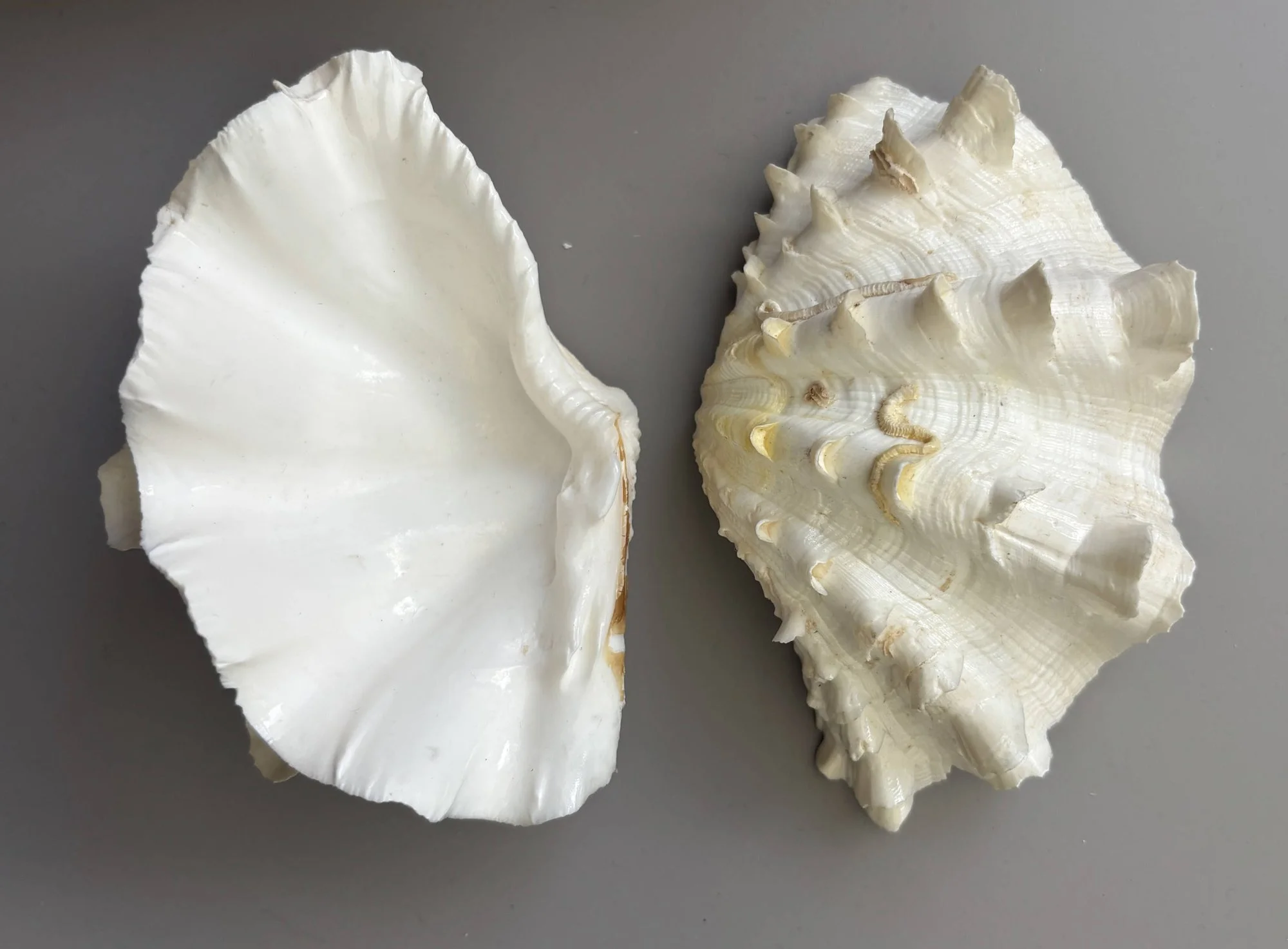
Tridacna gigas, Recent (modern) Indo-Pacific Ocean
PRI 111487
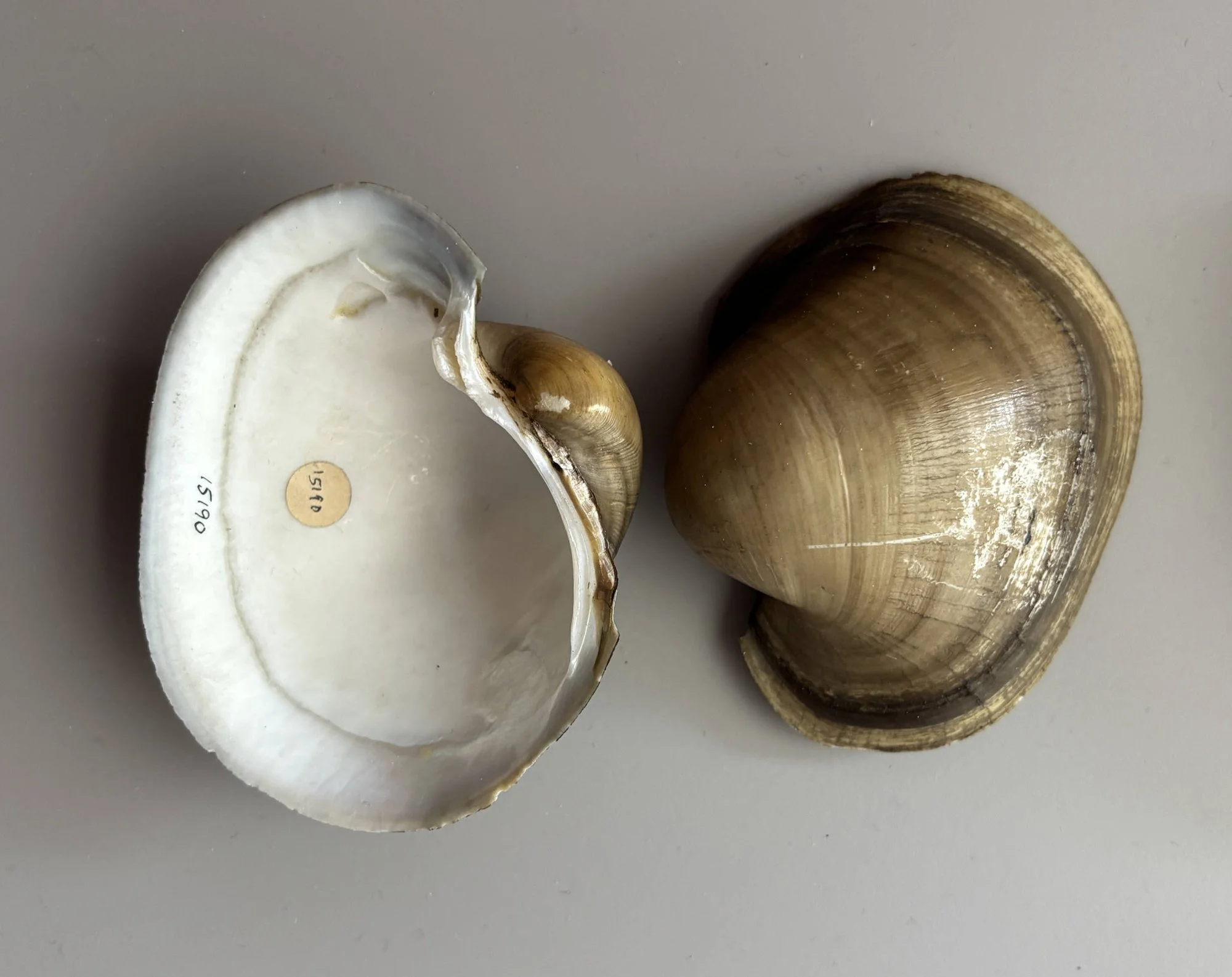
Potamilus capax, Recent (modern)
Mississippi River, Alton, Madison County, Illinois, USA, PRI 90341
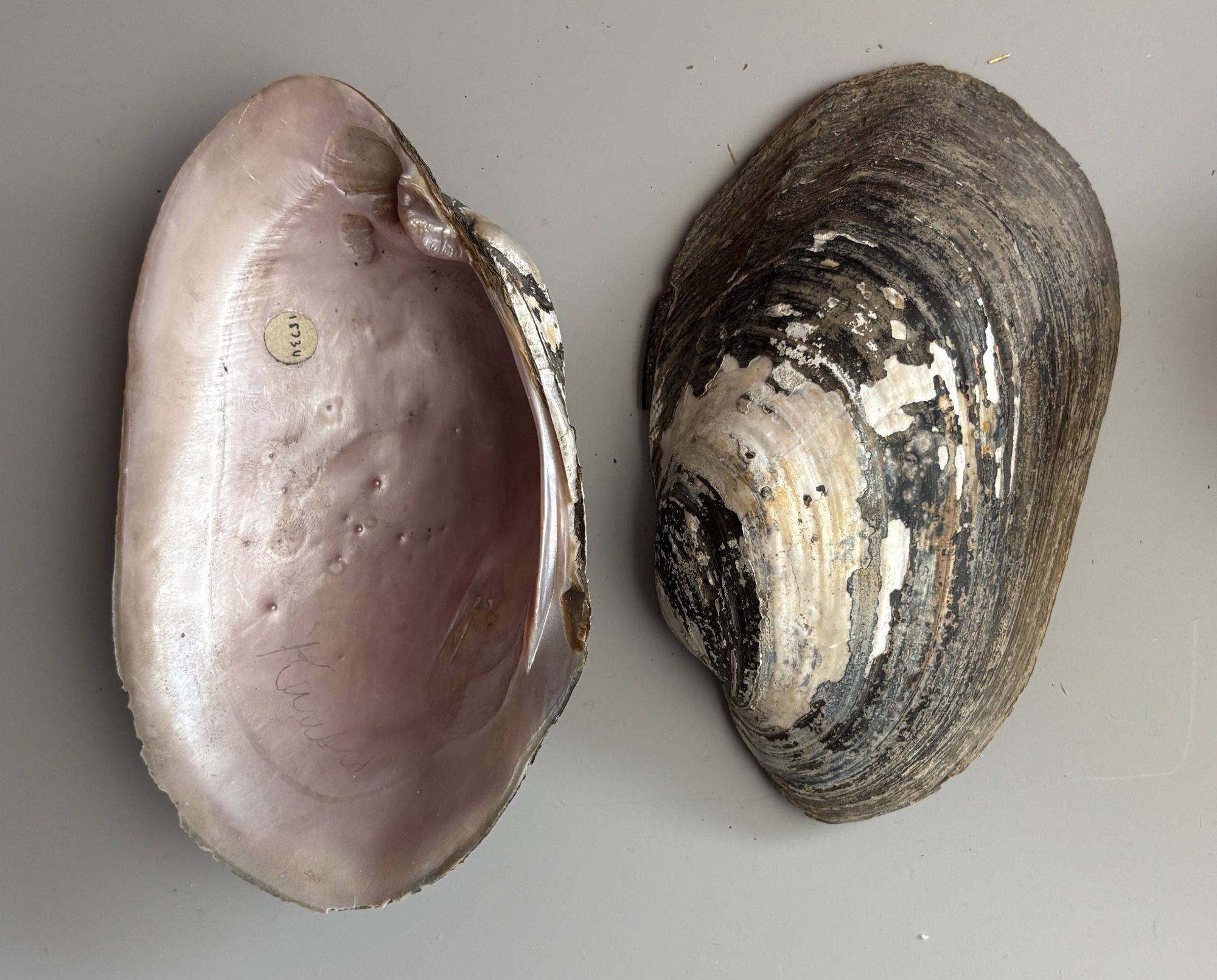
Lampsilis purpuratus, Recent (modern)
Kansas, USA, PRI 91435
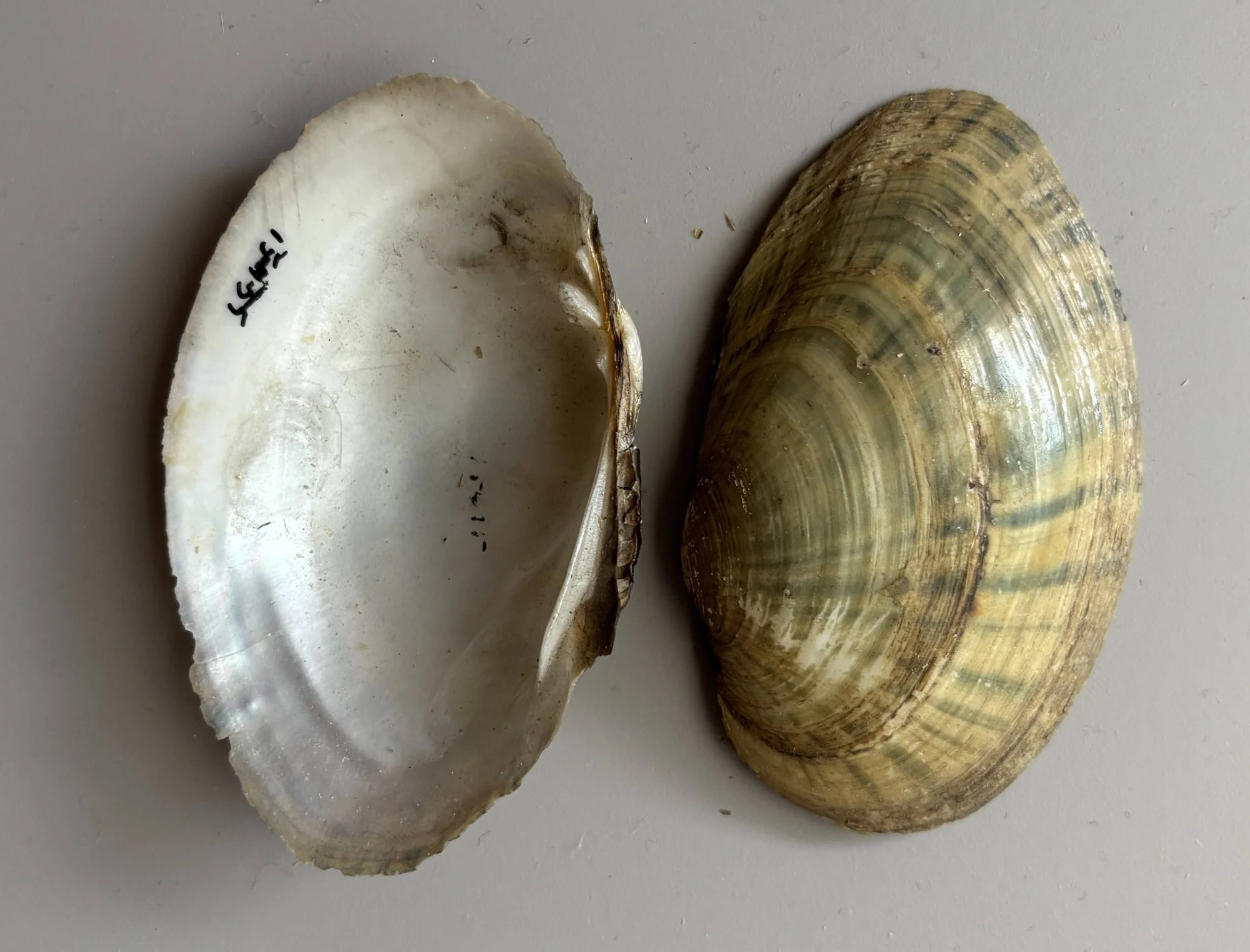
Cambarunio taeniatus pictus, Recent (modern)
Harpeth River, Tennessee, USA PRI 91431
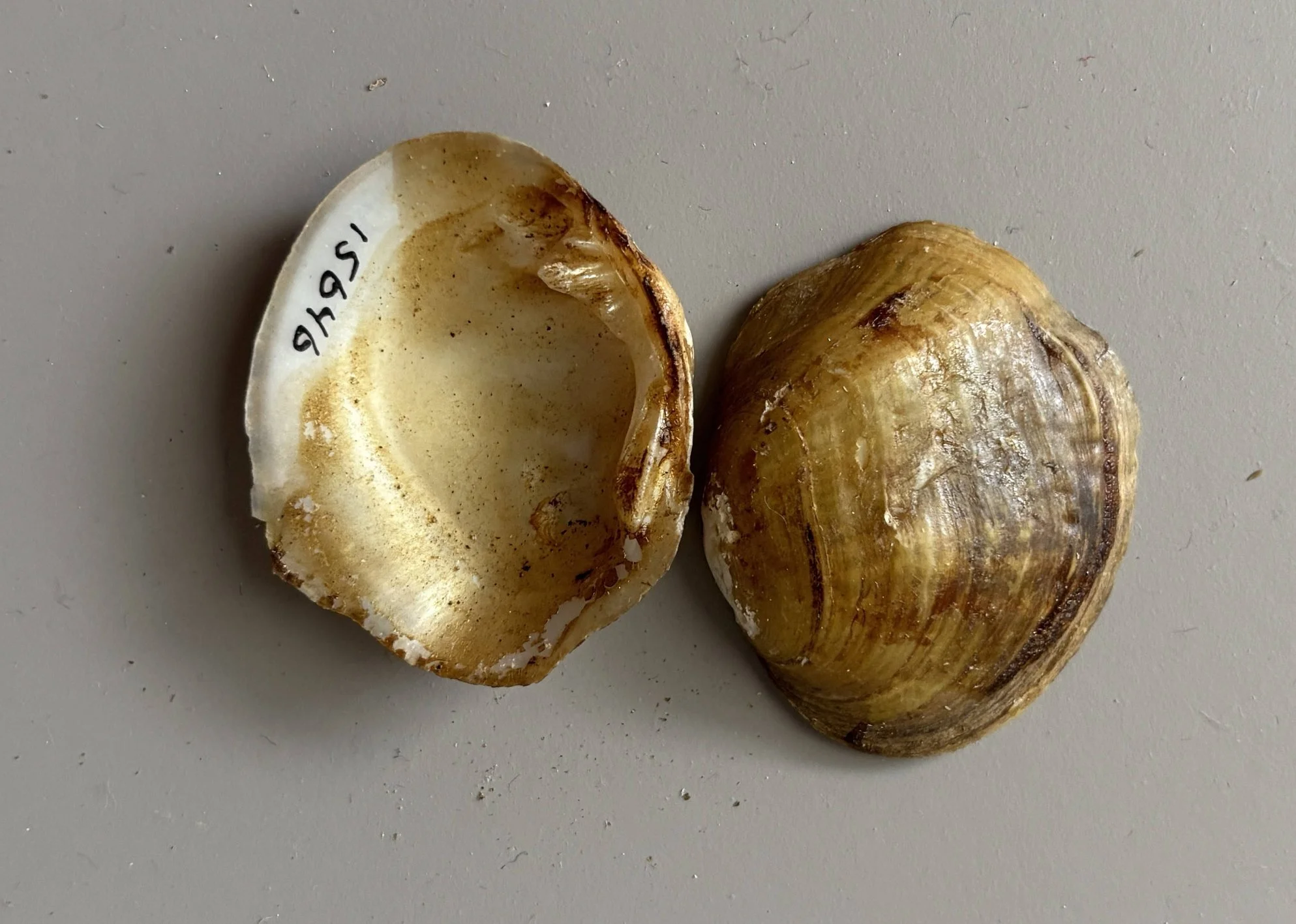
Epioblasma stewardsonii, Recent (modern) EXTINCT
Alabama River, Alabama, USA PRI 92090
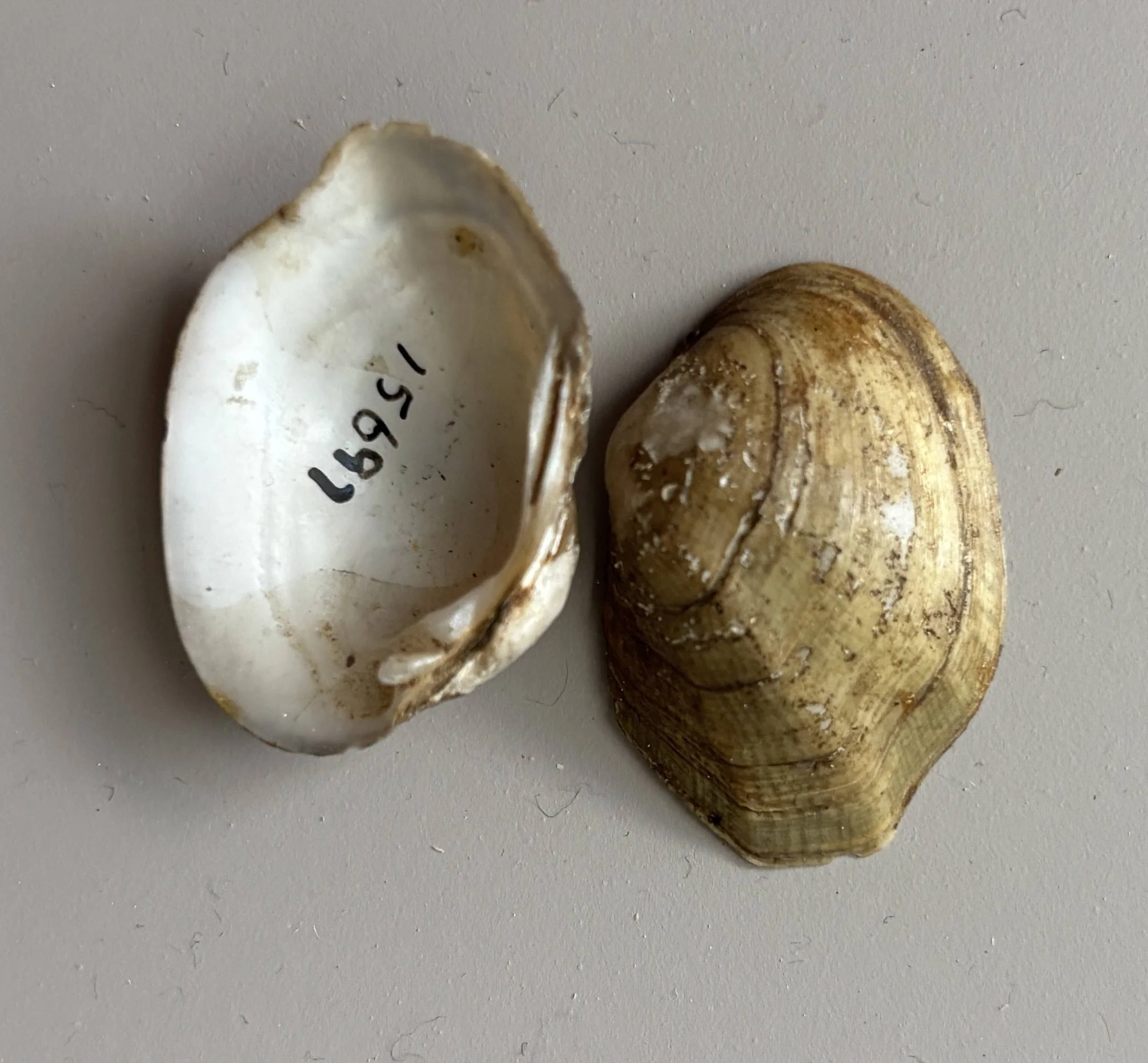
Epioblasma florentina, Recent (modern) EXTINCT
Tennessee River, Tennessee, USA PRI 90353
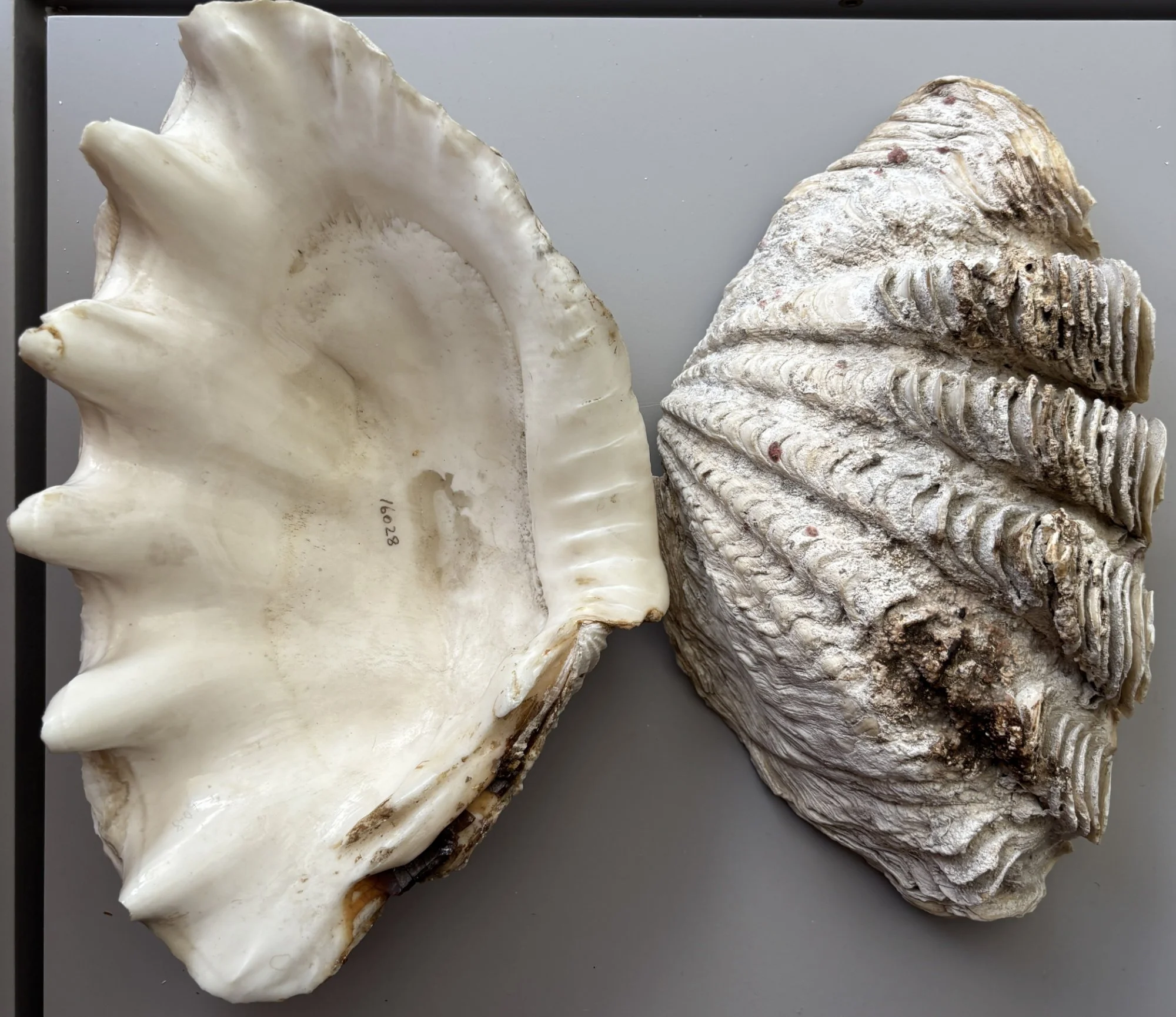
Tridacna squamosa, Recent (modern) Indo-Pacific Ocean
PRI T1299
Unionids are known for their complex life cycles, which include larval stages that are parasitic on fish. Unionids have developed a wide array of lures and behaviors for attracting fish close enough to allow the larvae to attach to their gills, fins, or skin, including growing fish-like decoys, complete with fish-mimicking movements.

Unionids Under Threat
Unionids have suffered severe population declines in many species over the past century, due to a combination of causes. First is over-harvesting for their mother-of-pearl shells. Second is habitat loss due to pollution and damming of the streams and rivers where they live. Habitat loss can affect the clams directly, by eliminating the shallow, fast-flowing waters they prefer, but also their host fish. Without the host fish, the unionoid species is unable to complete its reproducive cycle and faces extinction. Many species may be “functionally extinct”, meaning that individuals are still alive but not reproducing. Unionoids are long-lived (30-130 years), and so the status of a population may not be immediately apparent.
Unionoids have a higher proportion of extinct, endangered, and threatened species than any other major group of animals in the US. About 70% of unionid species in the US are either extinct (21 species), endangered (77 species), threatened (43 species) or are listed as species of special concern (72 species).
Unionids were harvested extensively in the US the nineteenth and early twentieth centuries for the button industry. They are still harvested today as raw material for the cultured pearl industry.
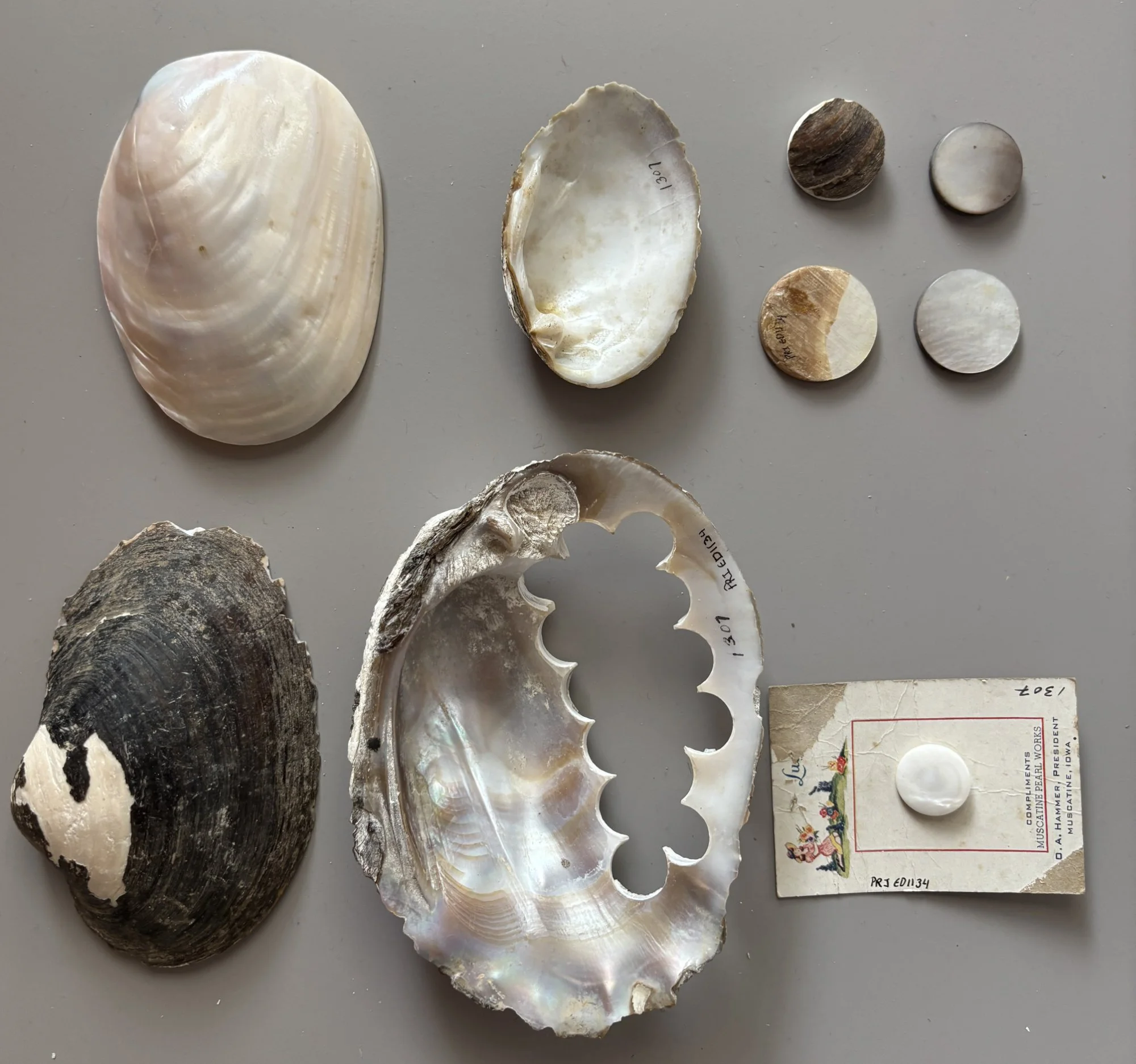
Bivalve shells and buttons from the Muscatine Pearl Works, a button factory on the Mississippi River in Muscatine, Iowa. Early 20th century. PRI Education Collection 1134
Sources of more information:
Bogan, A.E., 1993, Freshwater bivalve extinctions (Mollusca: Unionoida): A search for causes. American Zoologist, 33: 599-609.
Williams, J.D., M.L. Warren, Jr., K.S. Cummings, J.L. Harris, and R.J. Neves, 1993, Conservation status of freshwater mussels of the United States and Canada. Fisheries, 18(9): 6-21.
Oyster reef restoration
Oysters are not only food sources; oyster reefs also clean the waters they live in through filter feeding and provide protection from storms and flooding. Oyster reefs were once common in coastal environments, preventing shoreline erosion from storms or boat wakes. Over the past two centuries 85% of oyster reefs have been lost due overharvesting, pollution, habitat destruction, and disease. Oysters are permanently attached to each other on a reef, so when the environment becomes stressful they are more susceptible to the change than other animals that can move away to find a suitable habitat.
When changes take place subtly over decades, they can be difficult to notice. Each generation has a different impression of what a healthy, natural reef environment looks like. This phenomenon is called a shifting baseline. Scientists can estimate the true amount of change by collecting data from preserved organisms of the past, such as oyster shells. This is part of the work of conservation paleobiology, which is an active area of research at the Paleontological Research Institution.
Learn more in PRI’s exhibit Conservation Paleobiology: Putting the Dead to Work.
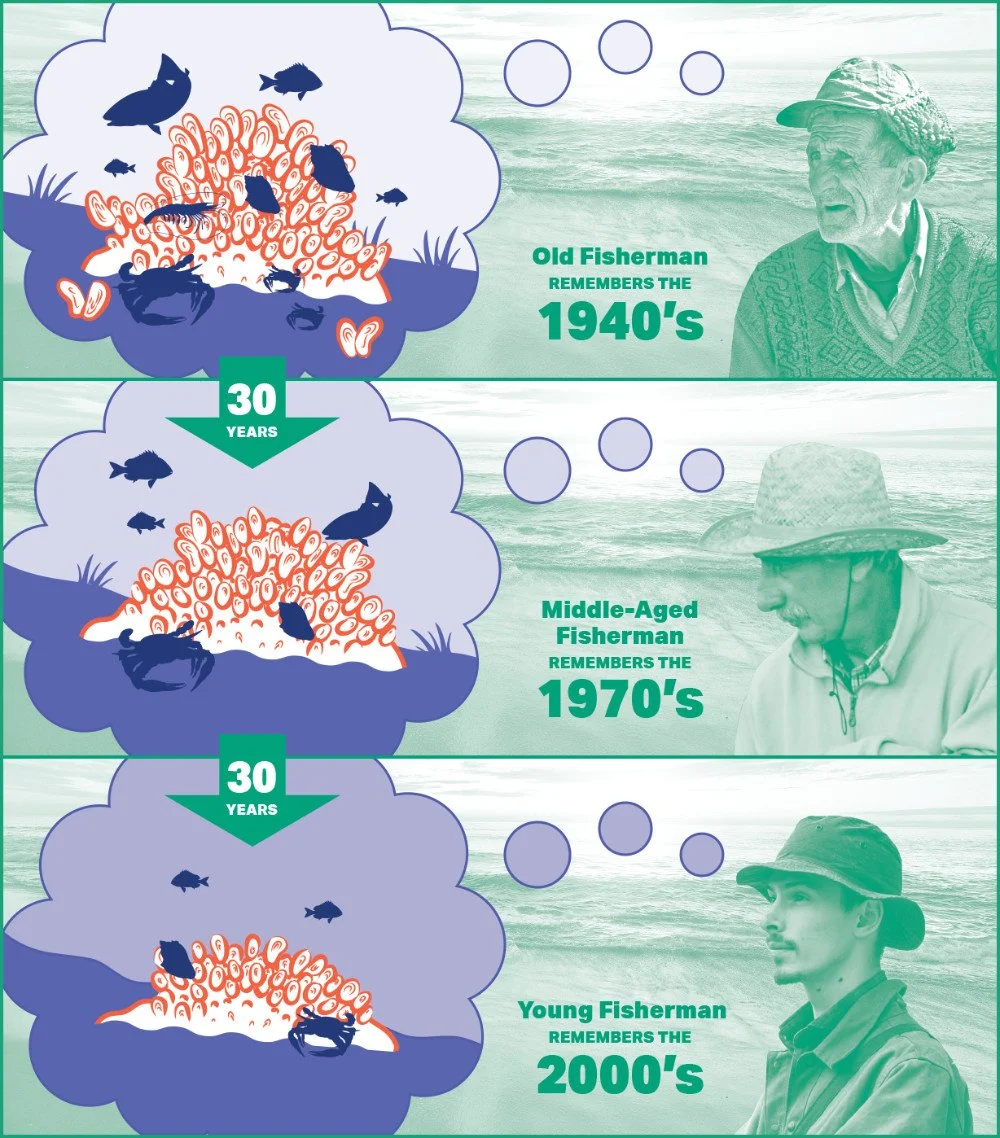
This infographic represents what different generations might picture for a healthy oyster reef ecosystem based on what they have seen and experienced. Notice how much has changed between the first and last generations. Infographic from PRI’s exhibit Conservation Paleobiology: Putting the Dead to Work.
Invasive species: When too many mollusks is the problem
Species that have been introduced into a habitat by humans – accidentally or intentionally – sometimes increase in abundance to such a degree that they harm native species. These are called invasive species, and they are a big environmental problem.
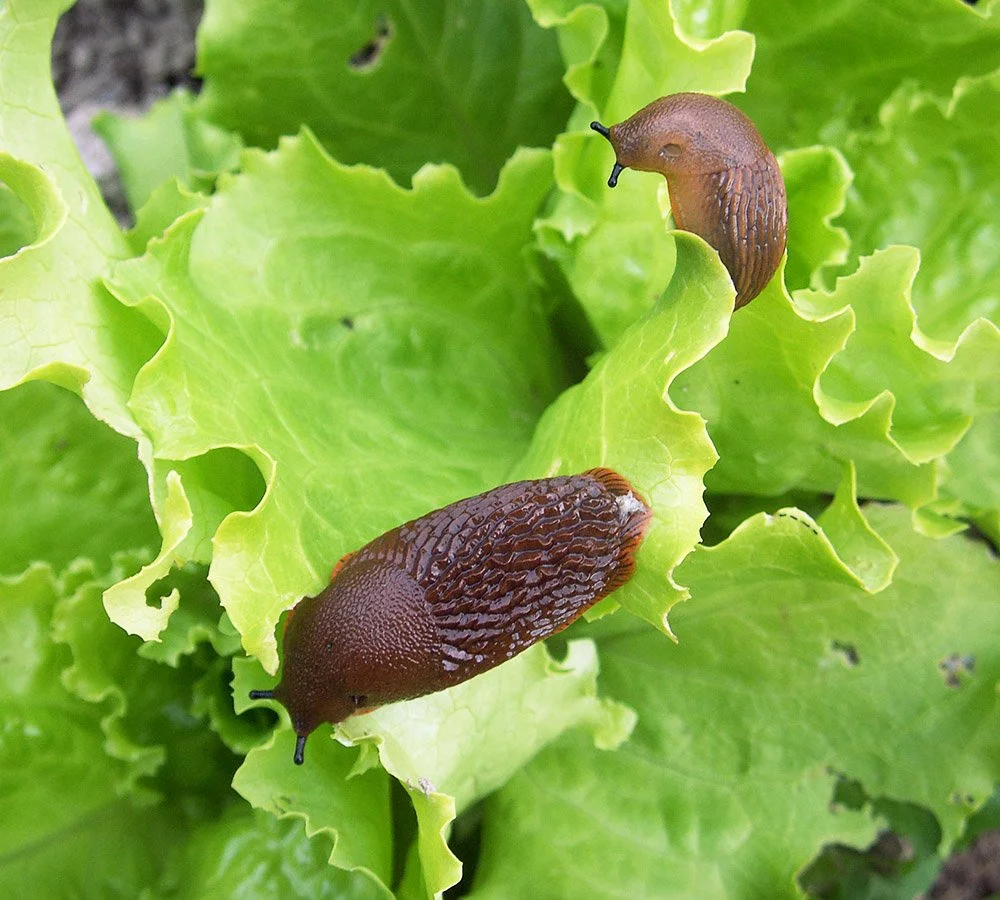
Garden slugs
Most species of slugs that are garden pests in the eastern US are introduced from Europe. Gardeners use a wide variety of repellents to deal with them. Beer works well.
Zebra mussels
Zebra mussels were brought to the Great Lakes region from Europe in the ballast water of ocean-going ships. They were first reported in North America in 1988, and in Cayuga Lake in 1991. Today they are widely distributed throughout the lake, especially in near-shore areas. Zebra mussels can reach astonishing densities of up to hundreds of thousands per square foot.
Zebra mussels have changed freshwater ecosystems throughout North America. As efficient filter feeders, they increase water clarity, decrease plankton, and alter food webs. Zebra mussels compete with native mussels for resources, resulting in the loss of almost all native mussels from much of Cayuga Lake and other lakes.
The arrival of Round Goby in the Finger Lakes and other areas inhabited by zebra mussels has changed these ecosystems yet again. Round Goby prey on zebra mussels in a relationship that evolved in their native Europe. Round Goby are now consuming large numbers of zebra mussels in the Finger Lakes. Over time, this could permanently lower the mussels’ numbers.
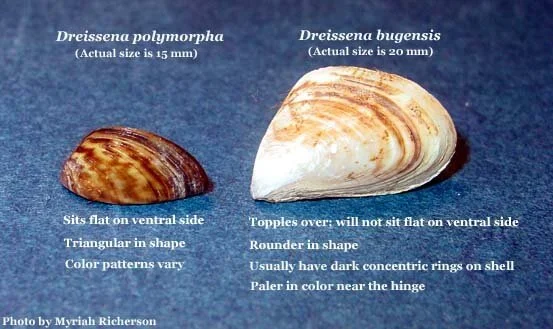
Differences between zebra mussels (Dreissena polymorpha) and quagga mussels (Dreissena bugensis). Image by Myriah Richerson (USGS; public domain).
Biology and Taxonomy
Zebra mussels are small freshwater clams (bivalves). They get their name from a striped pattern usually present on their shells. They are usually about the size of a fingernail, but can reach nearly 2 in (5.1 cm). Their shells are roughly D-shaped, and attached to the substrate with strong threads called the byssus, which are produced by the animal’s foot and extend out of the shell on the hinged side. Quagga mussels (named after a now-extinct relative of zebras) are very similar to zebra mussels. Both species belong to the family Dreissenidae, and are therefore together frequently referred to as “dreissenids”.
Dreissenid mussels probably arrived in North America in the ballast water of ocean-going ships in 1985-86; the first reported zebra mussel in North America was collected on June 1, 1988 from Lake St. Clair, and a month later they were first seen in Lake Erie. The first quagga mussel, originally identified as a zebra mussel, was collected from Lake Erie in September 1989. It was later identified (genetically) as a separate species previously also known only from Europe.
Zebra and/or quagga mussels have now been detected in more than 1,000 natural or artificial lakes and more than 130 rivers in at least 26 states in the U.S. and the Canadian province of Ontario. They have changed the structure and function of freshwater ecosystems throughout North America and Europe. These mussels have many direct and indirect effects on streams and lakes, including changes to the food web, increased water clarity, and decreased abundance of plankton, which they filter out of the water.
Ecology and Environmental Impact
Dreissenids are filter-feeders and live by pumping water over their gills and eating the phytoplankton they strain out. Dreissenids are extremely efficient at this. One adult mussel can filter one quart of water per day. They also spread very quickly. This is due to the combination of their planktonic (free-floating) larvae, prolific reproduction (the mussels reach sexual maturity after 1-2 years, and one female can release up to one million eggs in a spawning season), and low predation (because most of the organisms that are natural enemies in Europe are not present in North America). They can reach extremely high densities (up to tens of thousands per square foot), and so their environmental impact can be enormous.
The material that the mussels filter out but do not eat (called pseudofeces) are expelled and accumulate on the bottom. As these waste particles decompose, oxygen is used up, water acidity increases, and toxic byproducts are produced. Dreissenids can also accumulate pollutants within their tissues to levels much higher than concentrations in the environment; these pollutants are found in their pseudofeces, which can be passed up the food chain, therefore increasing wildlife exposure to organic pollutants. Because they reproduce and grow so quickly, dreissenids can overgrow and smother native freshwater mussels.
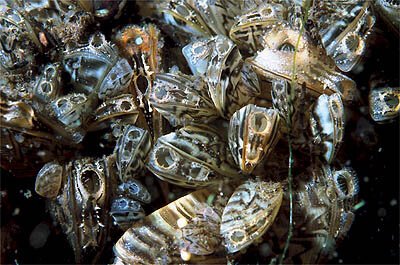
Zebra mussels with their siphons extended to filter feed. Image by “GerardM” (Wikimedia Commons; Creative Commons Attribution-Share Alike 3.0 Unported license).
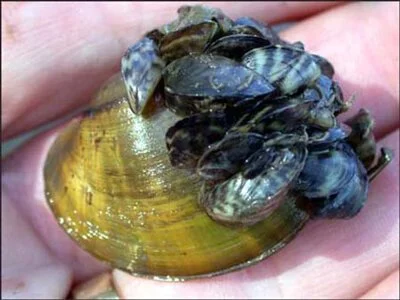
Zebra mussels growing on top of a Higgins eye pearly mussel, an endangered species. Photograph by the U.S. Fish and Wildlife Service (Public Domain).
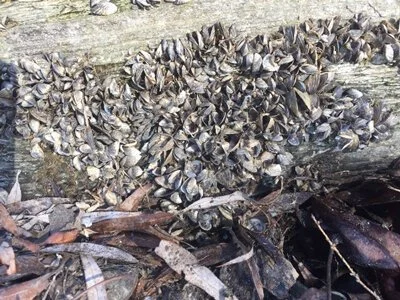
Zebra mussels exposed at low water, Stewart Park, Ithaca, NY.
Dreissenids and People
Because they spread so quickly and cover all available hard substrate, dreissenids can pose serious challenges to various human activities. Water treatment plants, utilities, and other users withdrawing water from shallow depths (<33 feet) have found it necessary to employ control measures to minimize or prevent fouling by mussel colonization.
Dreissenids in Cayuga Lake
Zebra mussels were first identified in Cayuga Lake in 1991 and in nearby Seneca Lake in 1992. They quickly became widely distributed throughout the lake, with dense populations noted in the shallower near-shore areas. Quagga mussels were first identified in Cayuga and Seneca lakes in 1994. Some evidence suggests that quagga mussels can live in deeper water and influence the ecological food web to a greater extent than the zebra mussels. Other studies suggest that quagga mussels may be replacing zebra mussels in several lakes in which zebra mussels were once dominant. It is likely that dreissenids have resulted in the loss of nearly all native mussels from the main body of Cayuga Lake.
MOLLUSKS AND MEDICINE
Surprising Sources of Medicine
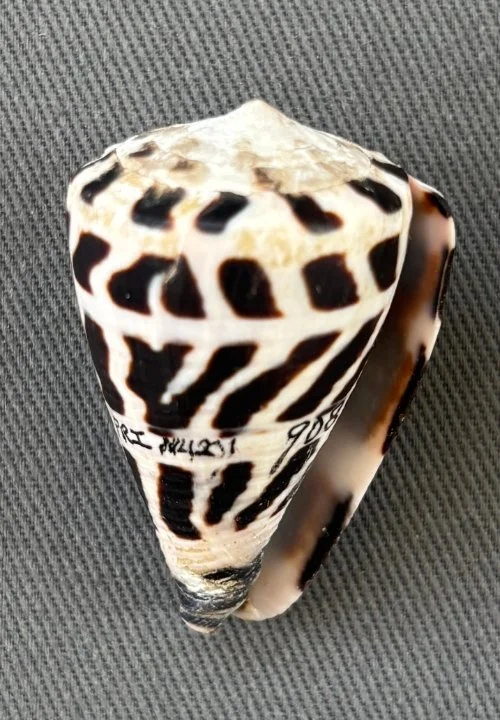
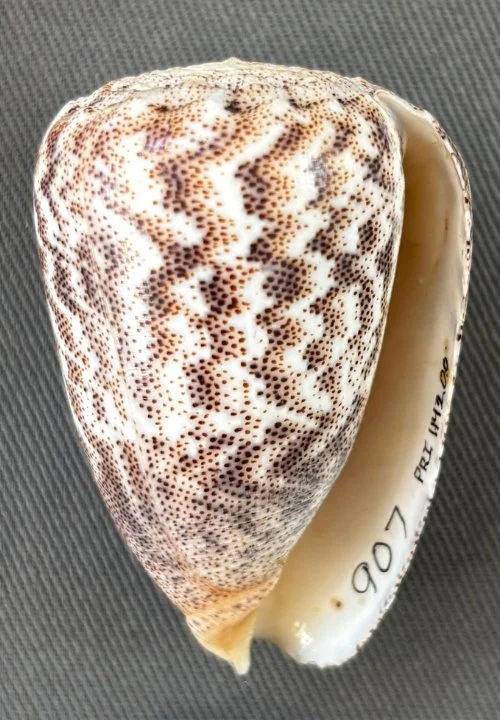
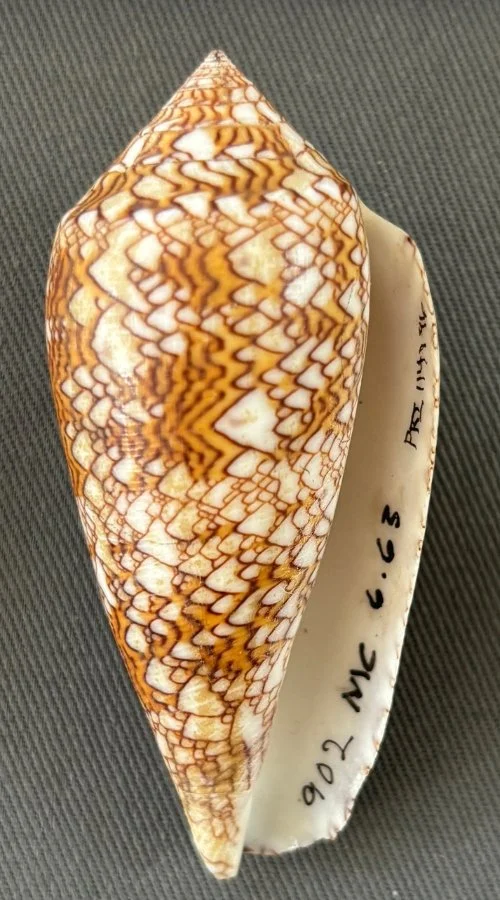
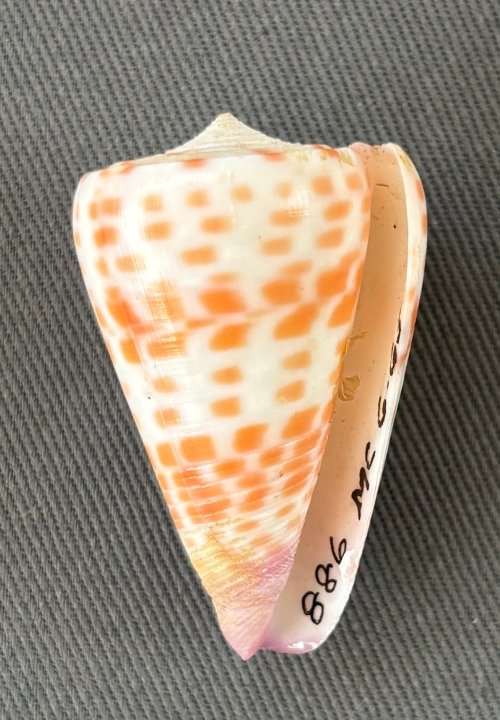
Cone snails and sea slugs are helping scientists discover powerful new medicines
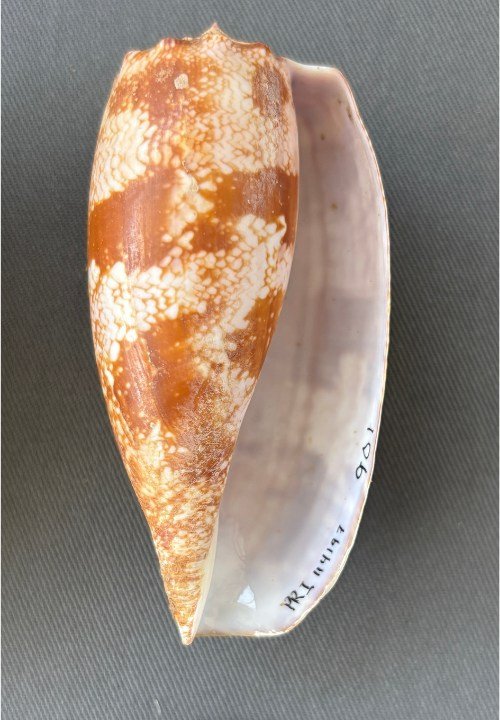
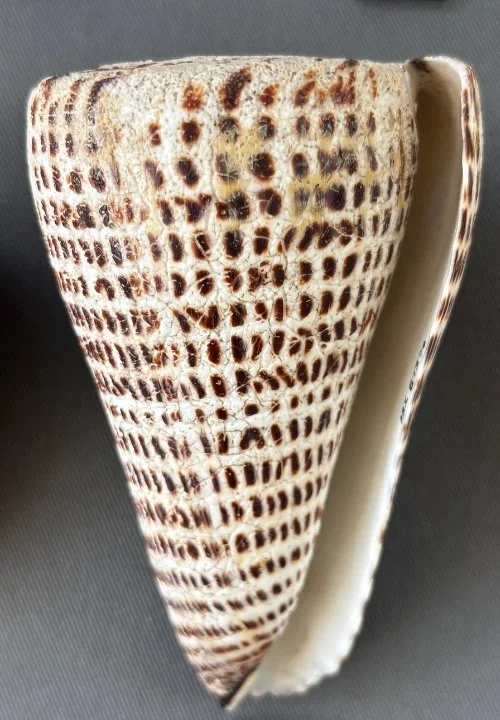
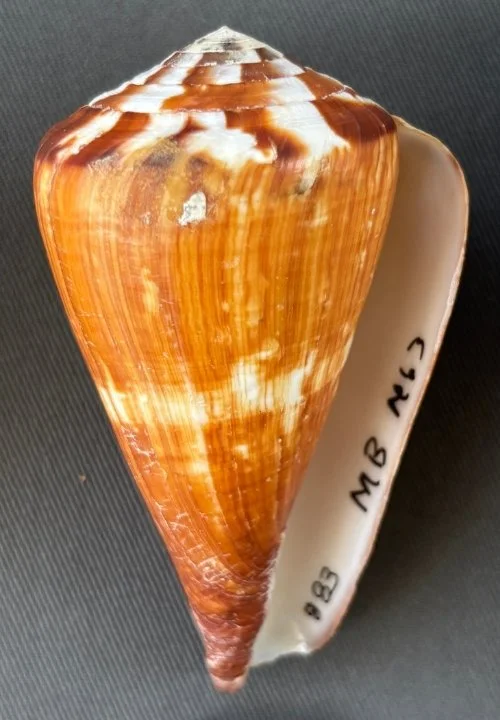
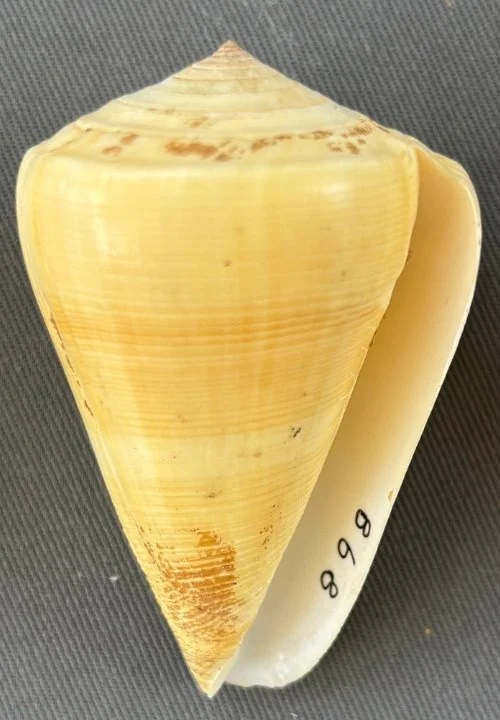
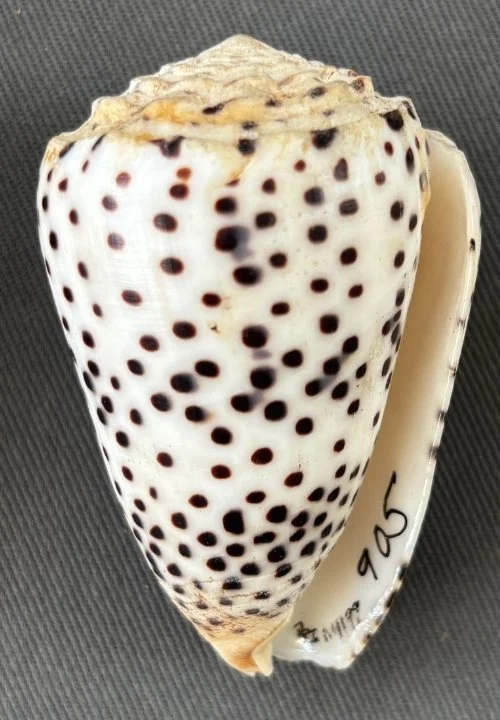
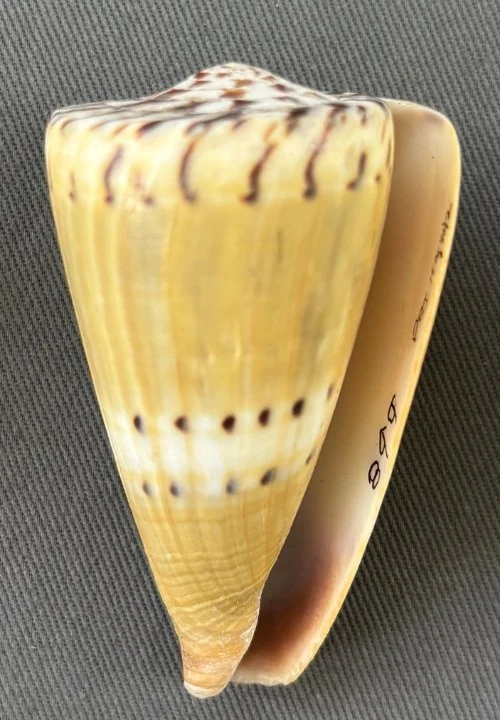
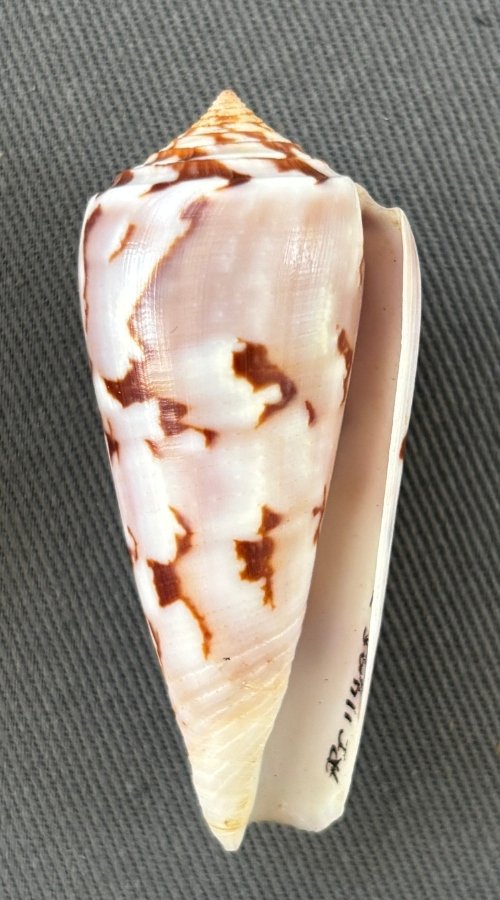
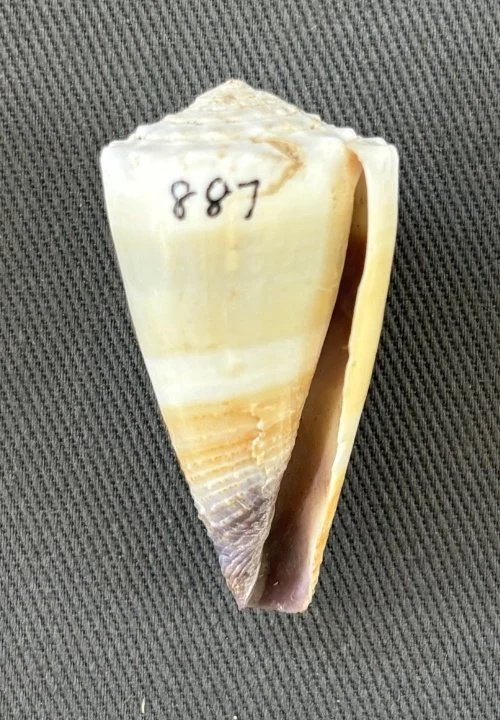
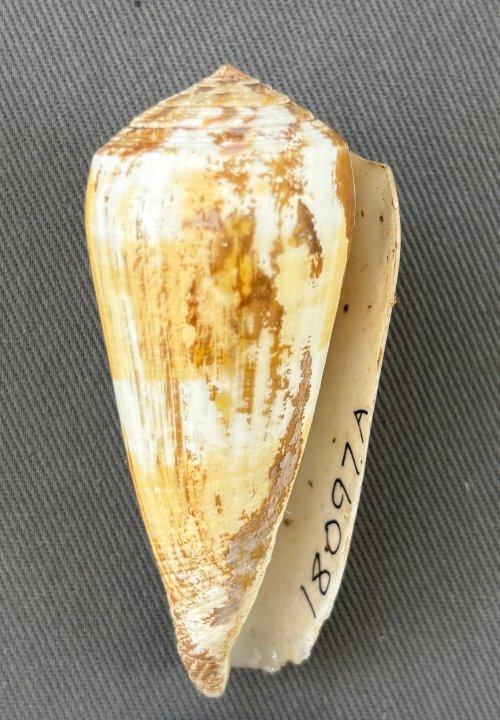
Cone snails hunt by shooting a sharp tooth that injects venoms (called conotoxins) at their prey, which include worms, other mollusks, and fish. One species, Conus geographus, is the only snail known to have killed a human. Studies of conotoxins from the species Conus magus have led to the development of a non-opioid painkiller which is one thousand times stronger than morphine. At present, this drug is only used in limited cases such as treating cancer patients because it must be injected into spinal fluid.
Venom that helps the brain
Each cone snail has a unique mix of venoms, offering researchers many possibilities. Scientists are studying conotoxins as possible treatments for Parkinson’s, Alzheimer’s, depression, ADHD, epilepsy, and other neurological disorders. Some cone snails use an insulin-like compound as a weapon, which may become a fast-acting treatment for high blood sugar.
More mollusks are showing promise in medicine
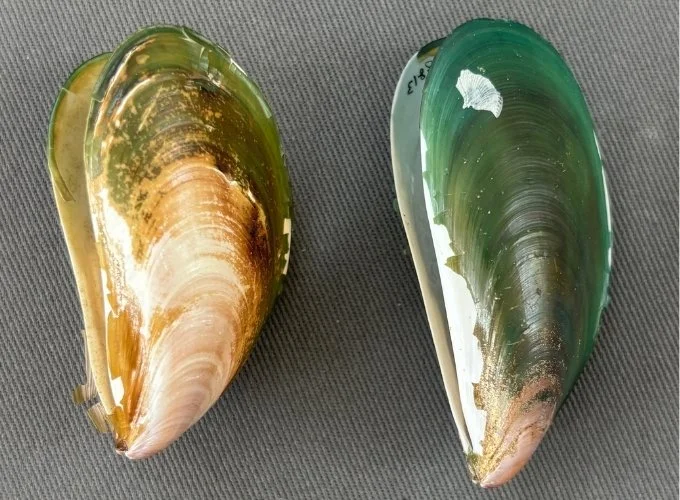
Mussels, limpets, nudibranchs, and shipworms and have compounds that kill bacteria. Sea slugs like Dollabella auricularia and Elysia rufescens have helped create cancer drugs. Mussels from the genus Perna are used in nutritional supplements.
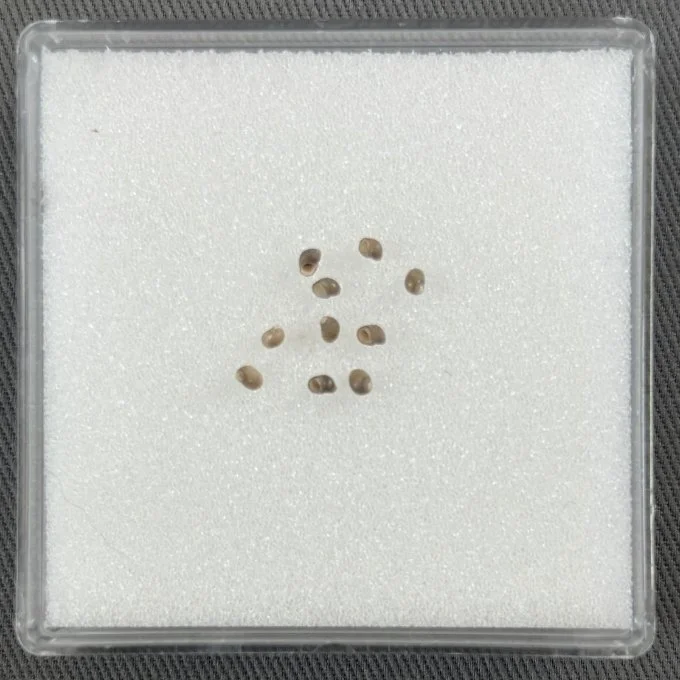
Mollusks that can be sources of new medicines (images of specimens on display at the Museum of the Earth).
The first eleven specimens displayed here are from the C. C. Harrison Collection from Smith College.
Mollusks as Disease Vectors
Schistosomiasis (Shis-tuh-soh-MY-uh-sis)
Schistosomiasis (as also known as snail fever, bilharzia, and Katayama fever) is a significant tropical disease which affects more than 200 million people around the world, causing as many as 12,000 deaths annually. This makes freshwater snails one of the deadliest animals to humans, after mosquitoes, snakes, dogs, and other humans. Symptoms include abdominal pain and diarrhea. It may also cause stunted growth, liver, kidney, or bladder damage or infertility.
How snails spread disease
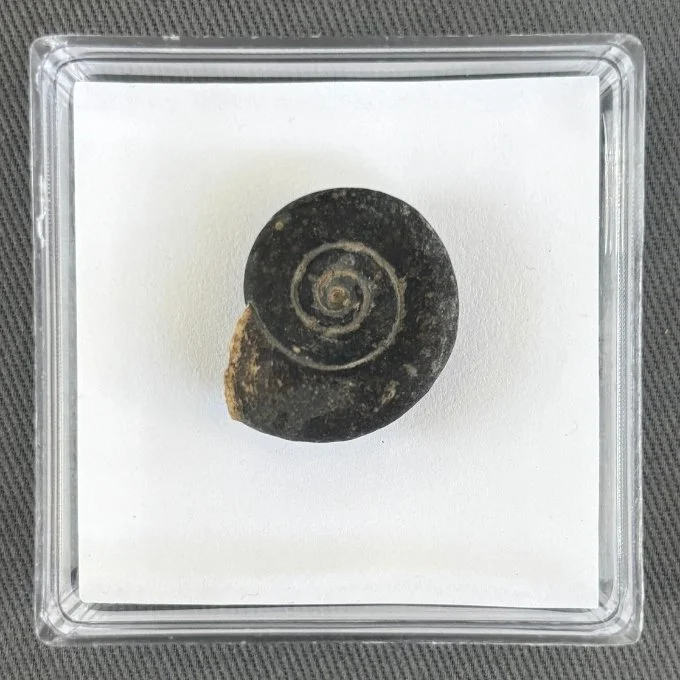
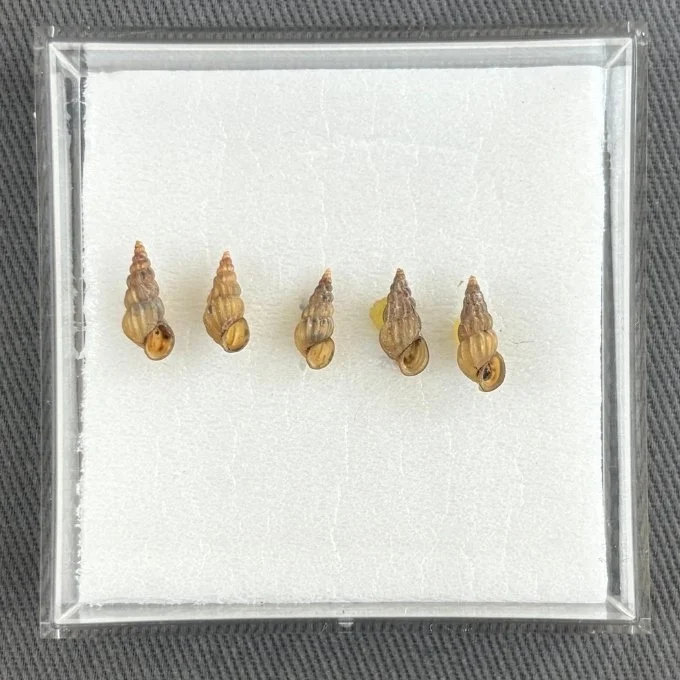
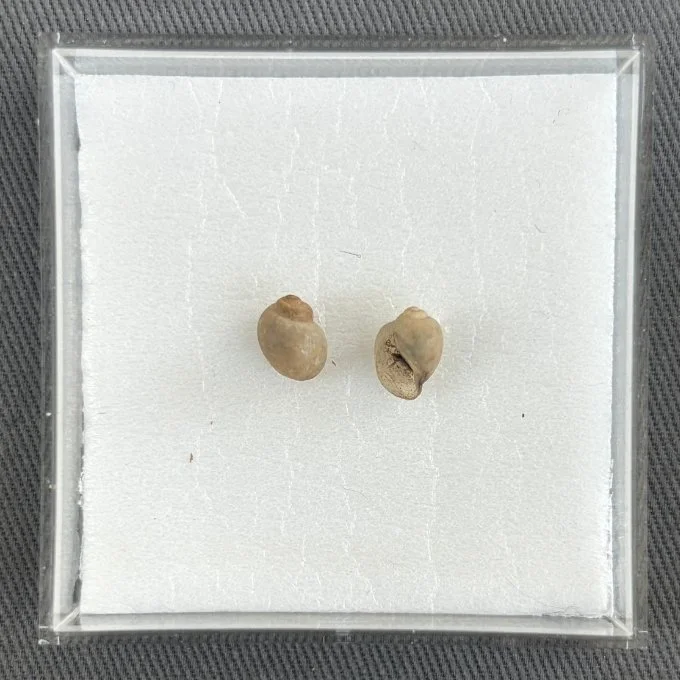
Schistosomiasis is caused by parasitic flatworms called trematodes (also called flukes), which have complex life cycles that include both human and snail hosts. In the flukes that cause schistosomiasis, eggs pass from the human host in urine or feces that reach freshwater and hatch into a larval stage which hunts for snail hosts. When they find one, they burrow into exposed tissue and transform into a sac-like cyst. The cysts grow and eventually release smaller cysts which migrate to the snail’s digestive gland or gonads. Several weeks later, swimming larvae emerge from the cysts and enter open water where they start searching for a mammal host. Once a host (for example, humans or livestock wading in water) has been found, the fluke enters its blood vessels by burrowing through the skin. For several weeks, the fluke remains in the vessels, continuing its development into its adult phase. Mature parasites then mate and release eggs. Eggs enter the bladder/intestine and are excreted through urine and feces and the cycle starts again. If the eggs are not excreted, they can become lodged in body tissues and cause multiple health problems such as immune reactions and organ damage.
How can we control it?
Methods of controlling schistosomiasis include improving access to clean water and reducing the number of infected snails. The World Health Organization estimated that more than 250 million people require preventative treatment for this disease, while only 75 million are estimated to have received treatment. Prevention often focuses on targeted treatments of communities in areas where disease rates are high, especially children and those whose occupations may expose them to infested waters.
Because different species of flukes infect different species of snails, knowing which snail is which is very important in trying to control the disease. Museum collections and the scientists who care for them are important tools for this!
Mollusks that can spread disease (images of specimens on display at the Museum of the Earth).
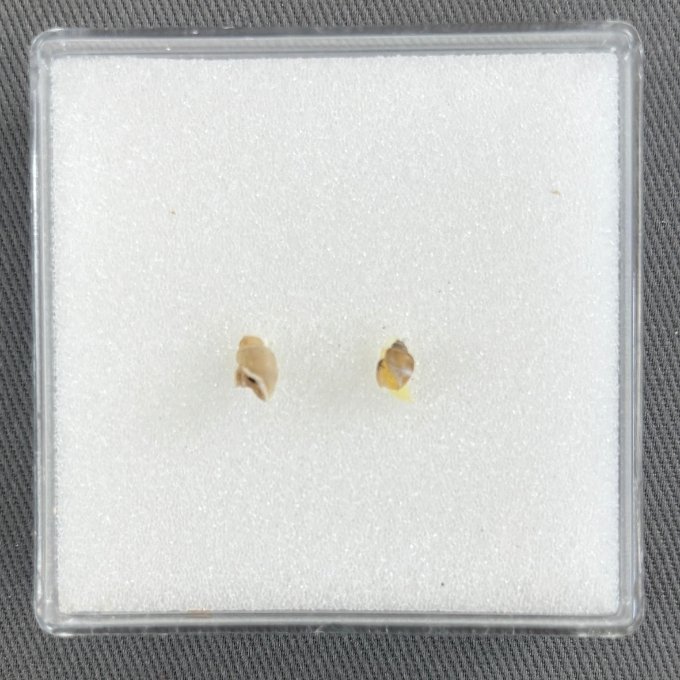
MOLLUSKS AND OCEAN ACIDIFICATION
Human emissions of carbon dioxide (CO₂) cause climate change, but also result in making ocean water more acidic.
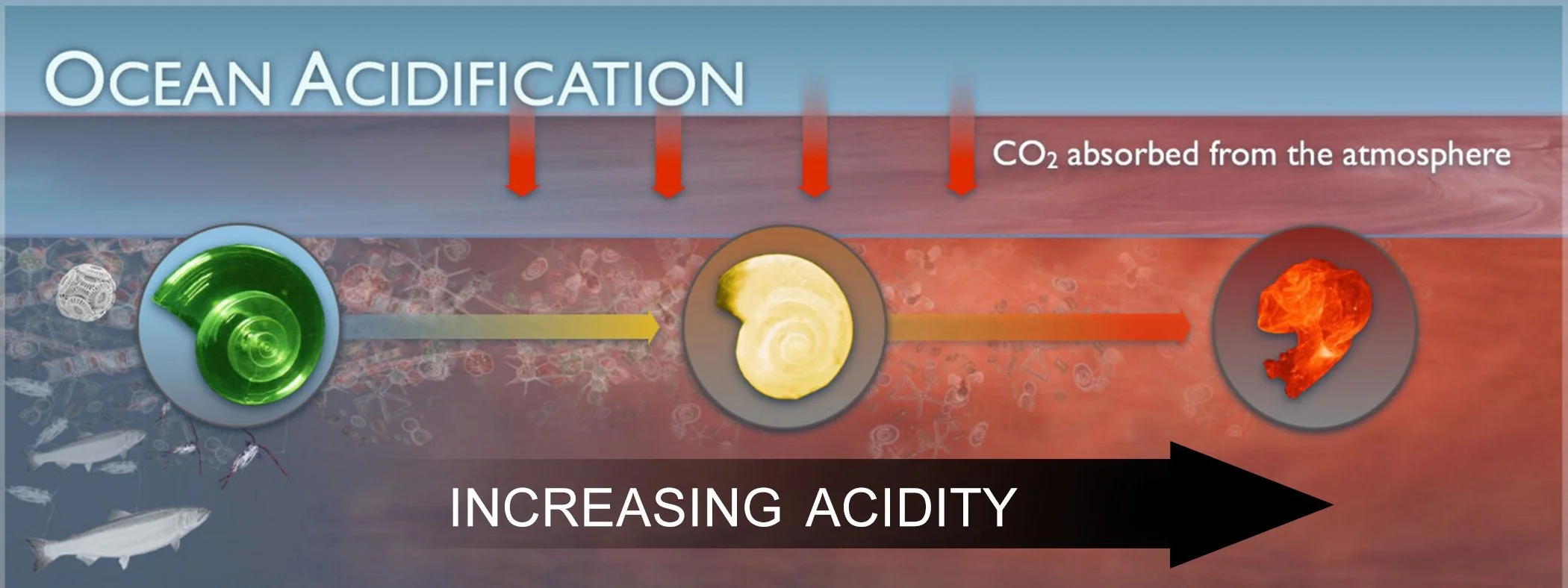
Image from National Oceanic and Atmospheric Administration, Pacific Marine Environnmental Laboratory
The Chemistry of Ocean Acidification
The pH scale is a measure of how acidic a substance is. The scale runs from 0 to 14, with 7 being neutral. The more hydrogen (H) ions available, the more acidic the water is and the lower the pH value. A value lower than 7 is acidic and a value higher than 7 is basic (alkaline). The scale is logarithmic, so each pH unit represents a tenfold change in concentration. When CO₂ dissolves in water, it makes the water more acidic.
Ocean water had a pH around 8.2 when it was first measured in the 1800s, making ocean water mildly basic, but since then ocean pH has been falling because the level of CO₂ in the atmosphere has been increasing and more CO₂ from the atmosphere has been dissolving in ocean water - a process called ocean acidification.
These changes are making it much harder for marine animals with shells made of calcium carbonate (lime) like mollusks to live and grow. This is because calcium carbonate dissolves in higher acidity. This process is already affecting commercially important species like oysters and mussels, as well as other mollusks important in open ocean food webs, like pteropods, which are tiny snails that float in the plankton.
What are pteropods?
Pteropods are tiny swimming snails that are important parts of the zooplankton and ocean food webs. Because pteropods need to make carbonate shells to survive, they have been one of the prominent groups studied for potential impacts of ocean acidification. Under high CO₂ conditions, pteropod shells experience damage from dissolution and require more energy to build.
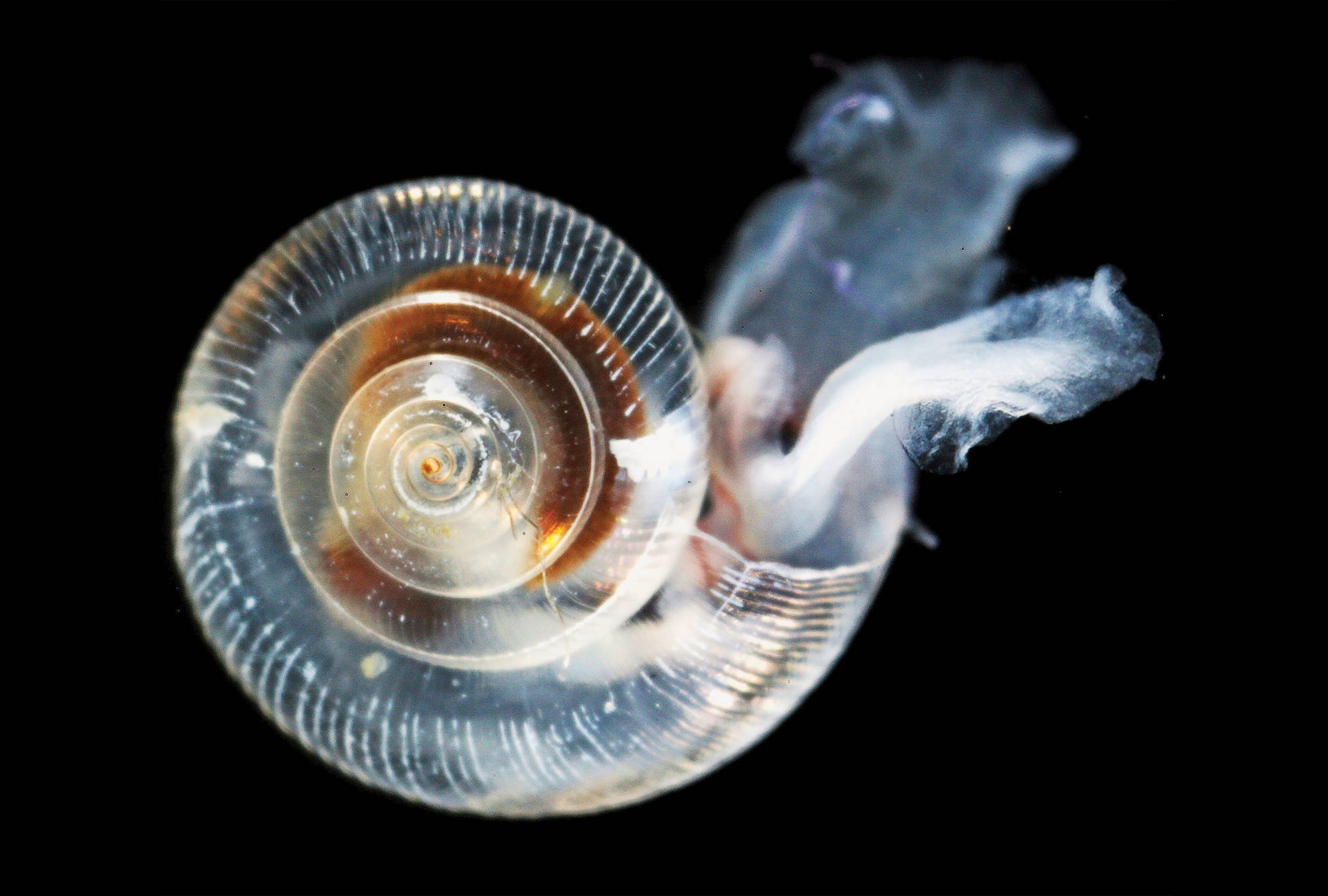
Pteropod snail
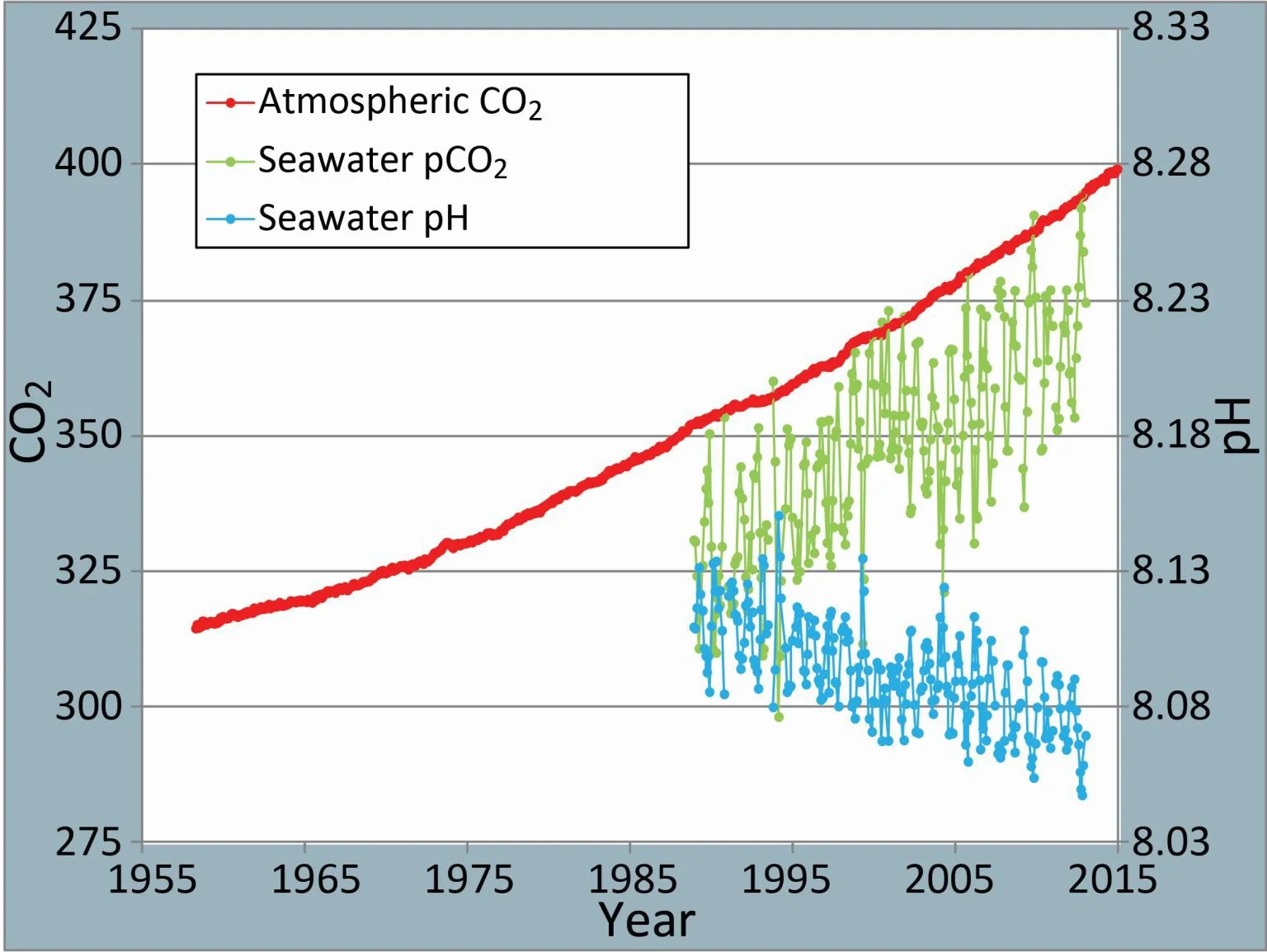
AAs the concentration of carbon dioxide (CO2) in the atmosphere has risen over time, seawater pH has decreased, that is, the ocean has become more acidic.
The oceans have absorbed about 25% of all human CO₂ emissions, and as a result the average pH of the oceans has fallen from 8.2 to 8.1 - that’s a 30% increase in acidity. By 2100, it may fall (that is, acidity may increase) by another 0.2-0.4 pH units, depending on our future choices on carbon emissions.
Learn more about carbon emissions in the Museum of the Earth’s exhibit Changing Climate: Our Future, Our Choice.
GIANT CLAMS
“If any bivalve can be considered the embodiment of the tropical Pacific, it is the giant clam.”
- Colin & Arneson, Tropical Pacific Invertebrates (1997)
[This section was authored by Rebecca Rundell, Associate Professor in the Department of Environmental Biology at the State University of New York College of Environmental Science and Forestry in Syracuse, NY]
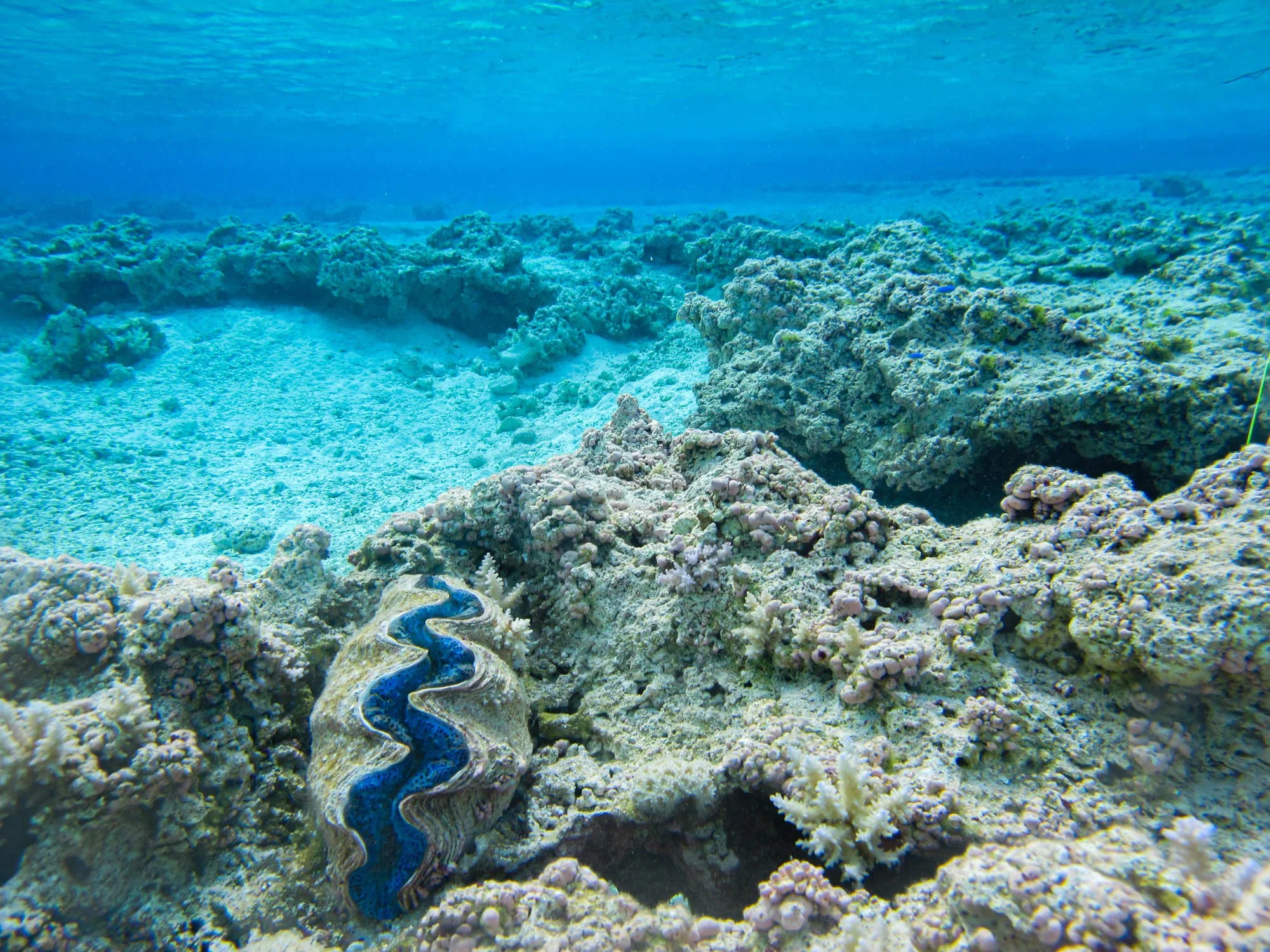
Faisua giant clam on a coral reef in American Samoa. Photo: Paolo Marra-Biggs
Giant clams (genera Tridacna, Hippopus) include the largest living bivalves (T. gigas), whose shells can be more than a meter (39 inches) and weigh up to 660 pounds (300 kg). They live throughout the western Pacific, Indian Ocean, and the Red Sea, and are important contributors to coral reef structure. They are also hosts to symbiotic algae, like corals, that harbor the algae in exchange for nutrients. Tridacna gigas was listed as critically endangered in 2024, and three additional species were also listed as endangered (IUCN Red List; Tridacna squamosina, T. derasa, and T. mbalavuana). Giant clams are threatened by overfishing (for food and shells) and climate change, including ocean acidification. Acidification can be harmful to clams during their early life stages.
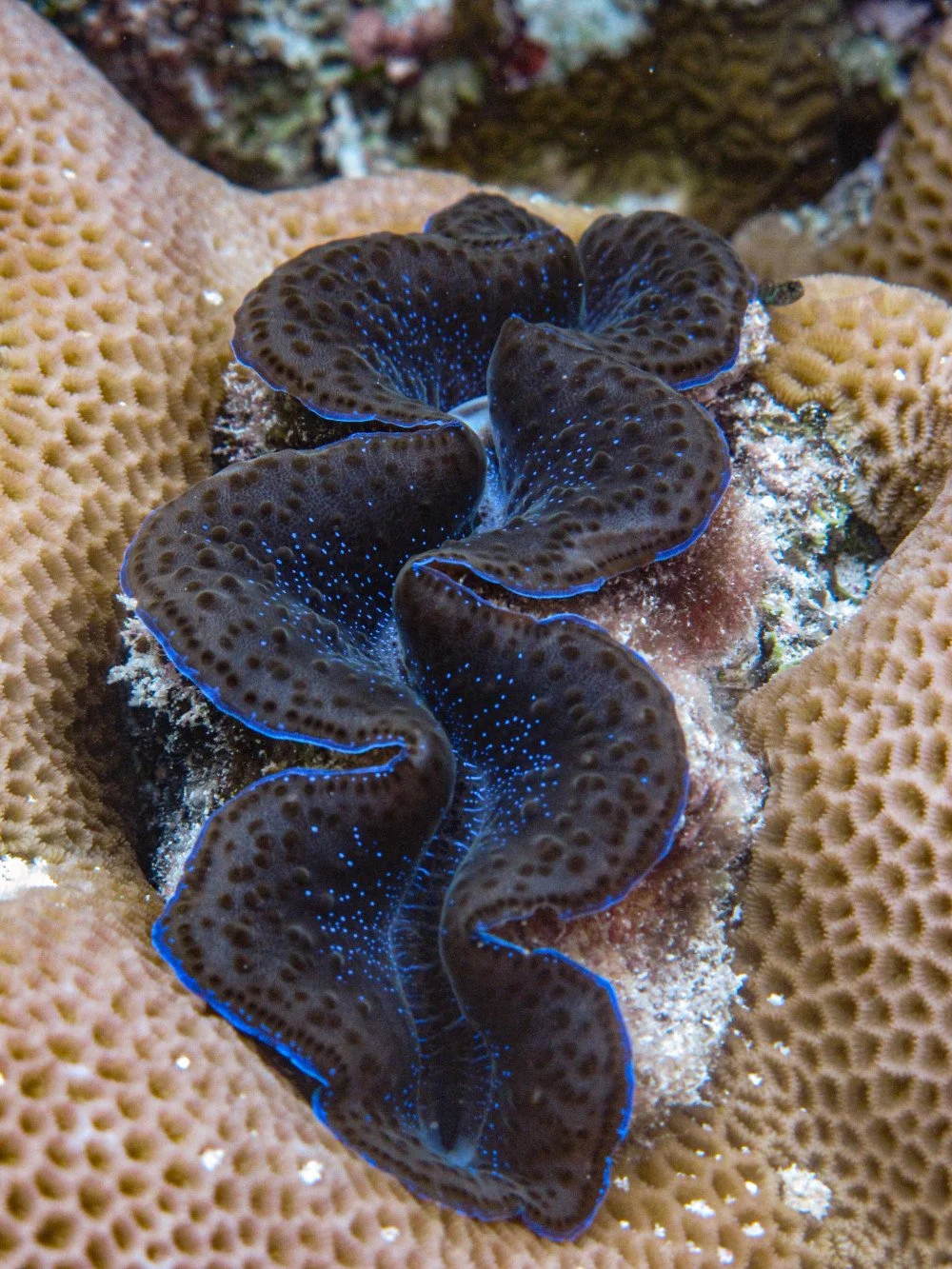
Glam clam! Different clam individuals can have different colors, even within the same species. The colorful fleshy parts are the mantle tissue of the clam, a thin skirt of skin that protects the internal organs of the animal. Embedded, symbiotic, single-celled algae called zooxanthellae (zoe-zanth-ELL-ee) help give the mantle tissue its vibrant colors. They also help make food for the clam. This is a faisua giant clam on a coral reef off the coast of the island of Ofu in American Samoa. Photo: Paolo Marra-Biggs
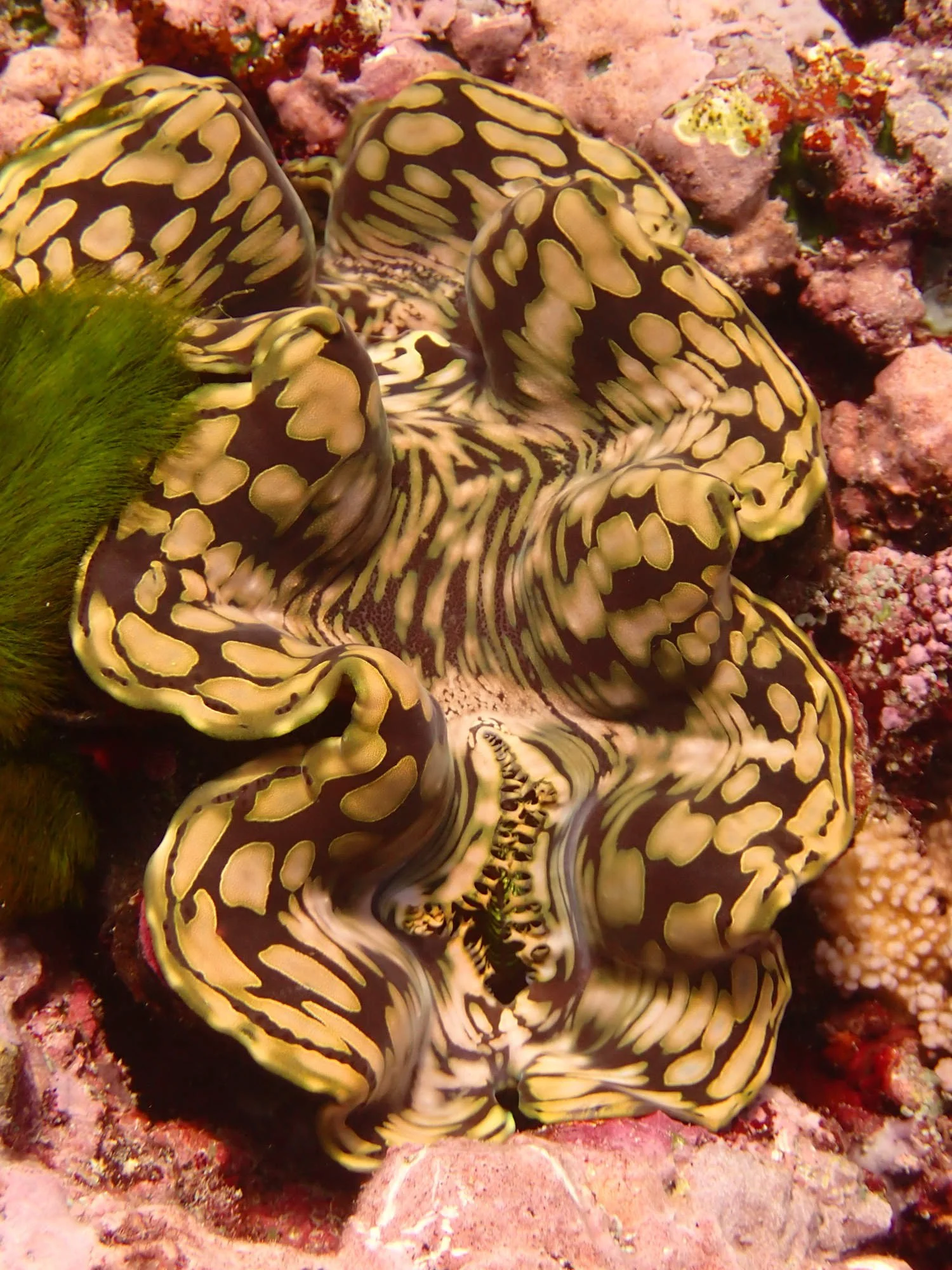
Faisua giant clam on a coral reef in American Samoa. Photo: Paolo Marra-Biggs
Ng kora kim ra Murael, el di dengarch e oker a chai.
Like the clams of Murael, face up, mouth open, listening to the news.
(A Palauan saying (Republic of Palau, a Micronesian archipelago of the western Pacific). “Murael” is a reef near the Palau region of Ngerechelong where, as elsewhere in Palau, the various kinds of Tridacna giant clams bask, open and feeding, in the shallow lagoon. The saying applies to gullibility combined with high curiosity for news, and to persons who simply sit at home, letting the happenings of the community come to them via passing persons.)
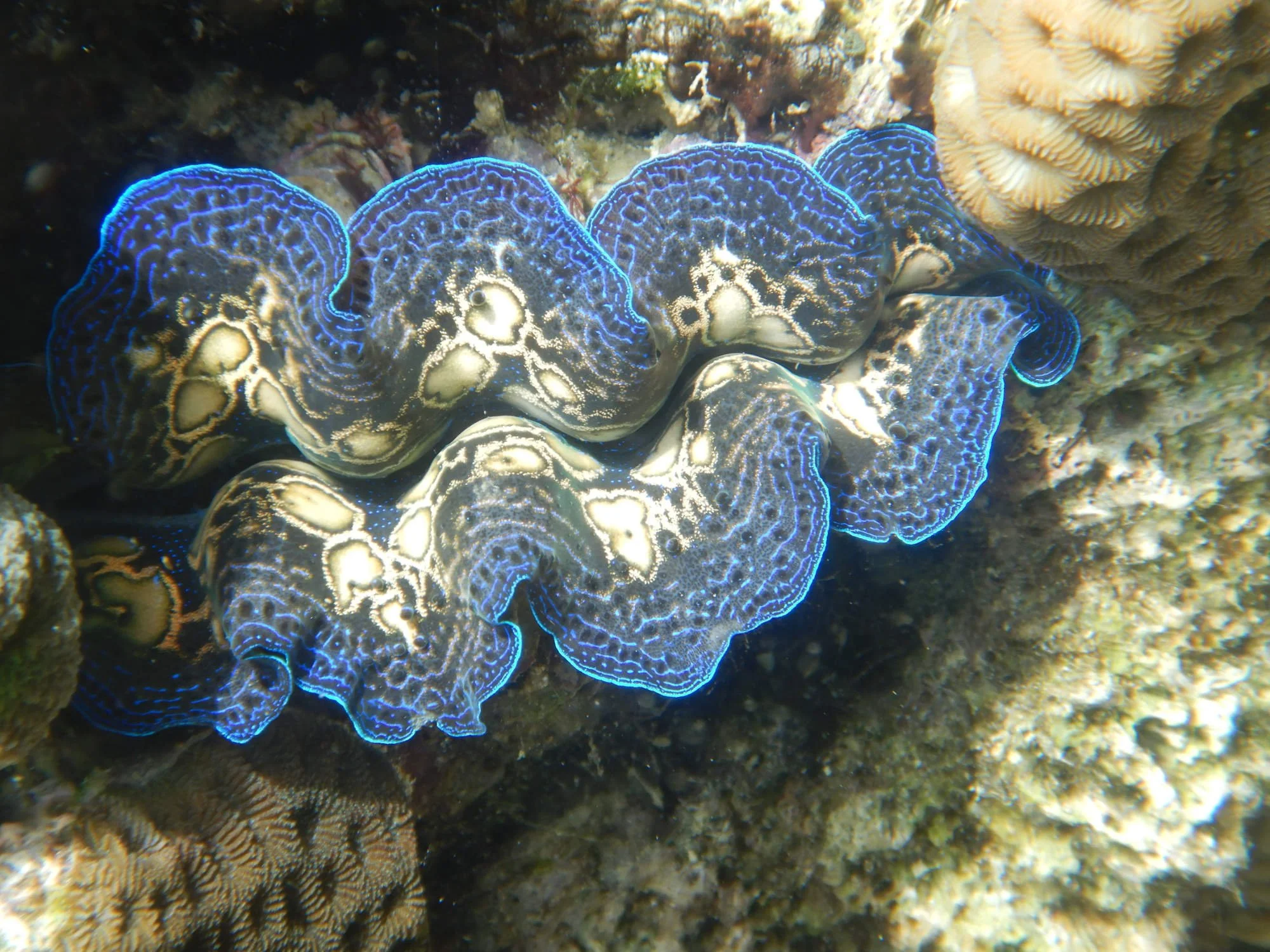
Oruer (in Palauan) Tridacna crocea the crocus giant clam in Palau. Photo: SUNY-ESF Palau Invertebrate Conservation Field Course 2019.
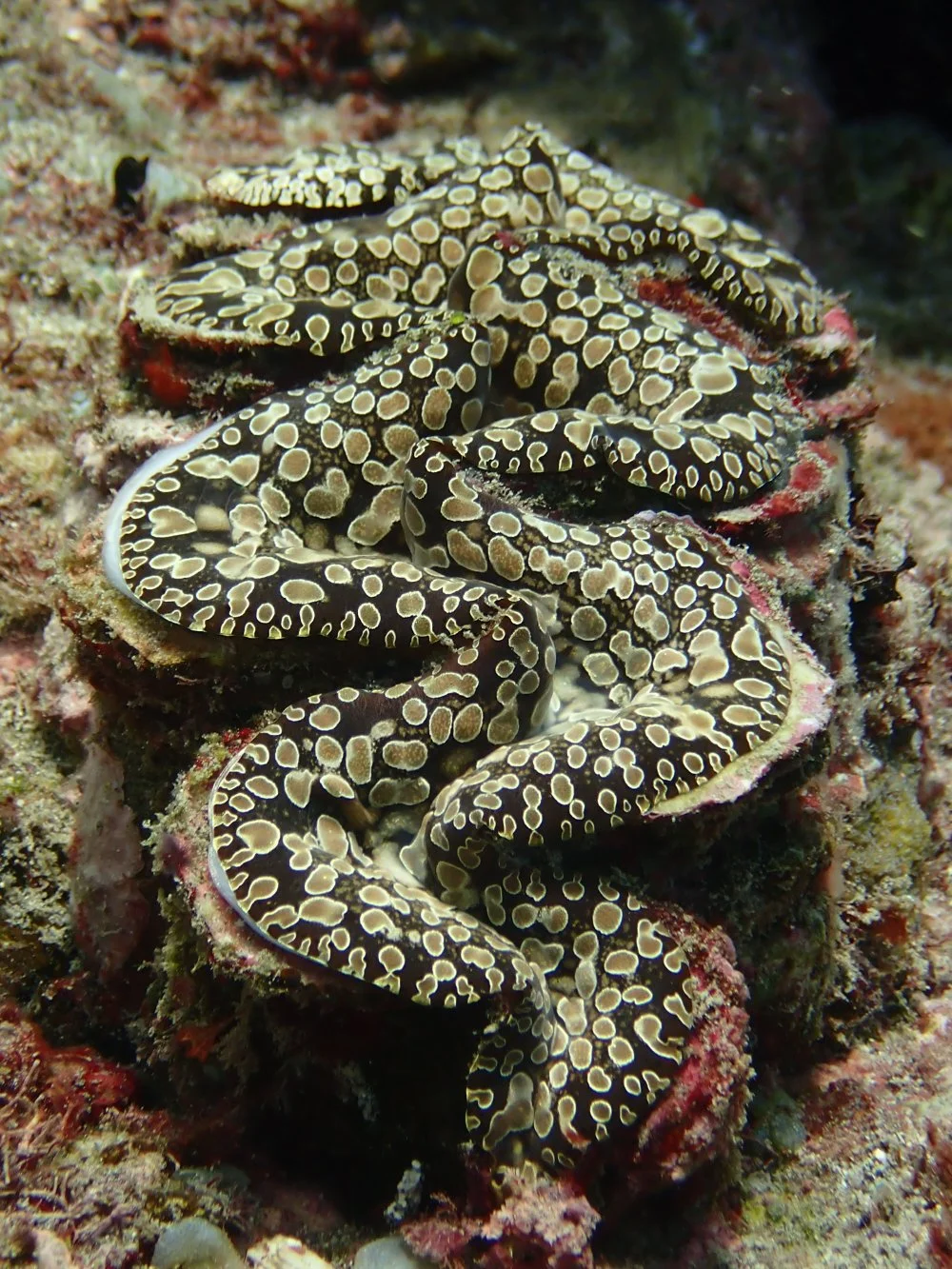
Faisua giant clam on a coral reef in American Samoa. Photo: Paolo Marra-Biggs
Giant clams are so important for food, tools, art, and ornamentation for certain Pacific Island cultures, that they have been honored with many names, including but not limited to: faisua (Samoan), vasua (Fijian), paʻua (New Zealand), hima (in CHamoru language of the Mariana Islands), ta (Tridacna maxima in Chuukese), sim (T. squamosa in Chuukese). In the Micronesian archipelago of Palau, the giant clams are kim, and each species has a different name as follows: oktang (T. gigas true giant clam), kism (T. derasa smooth giant clam), ribkungal (T. squamosa fluted giant clam), oruer (T. crocea fluted giant clam), melibes (T. maxima elongate giant clam), duadeb (Hippopus hippopus bear paw giant clam), and duadou (H. porcellanous China giant clam).
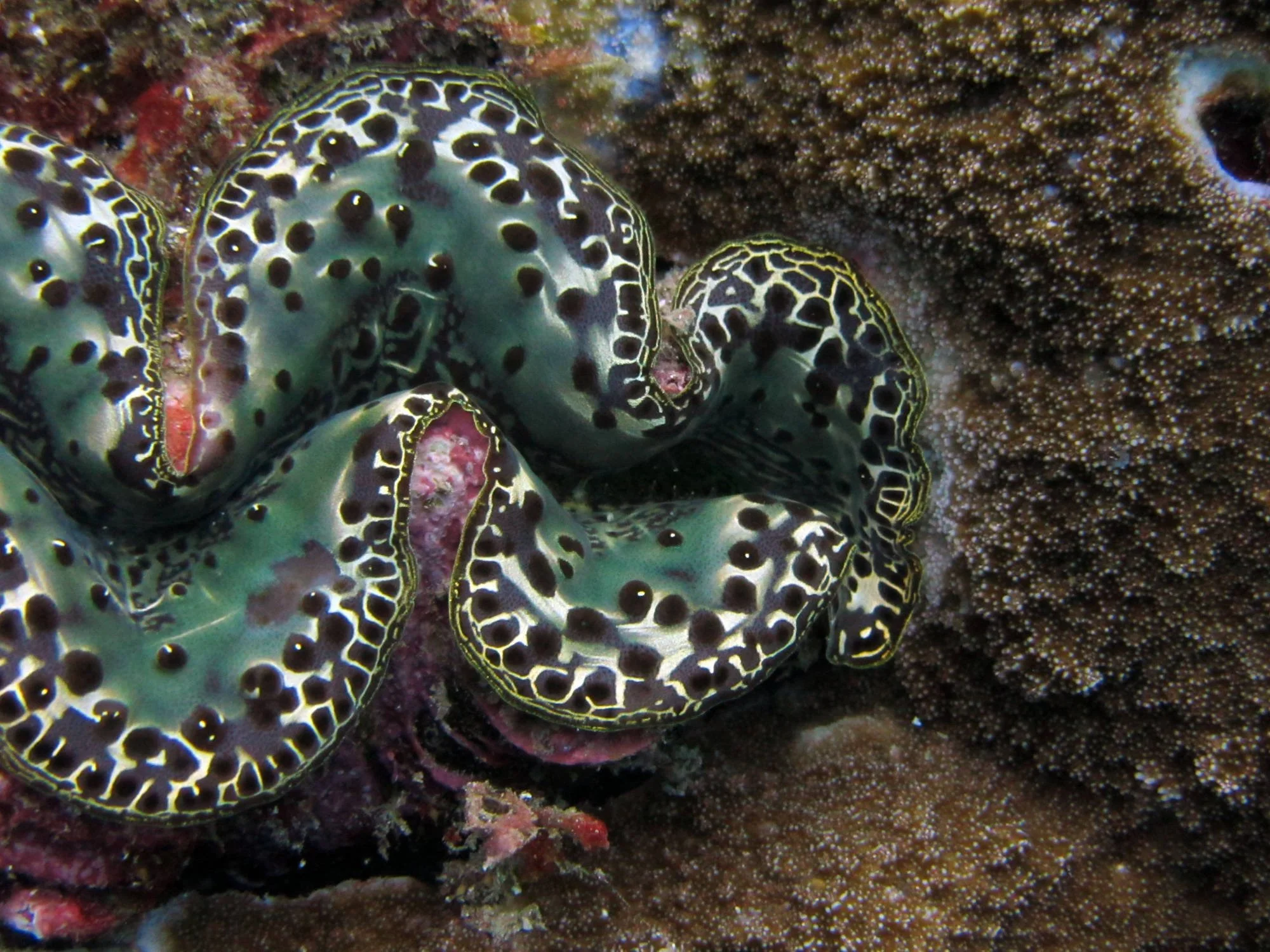
Faisua giant clam on a coral reef in American Samoa. Photo: Paolo Marra-Biggs
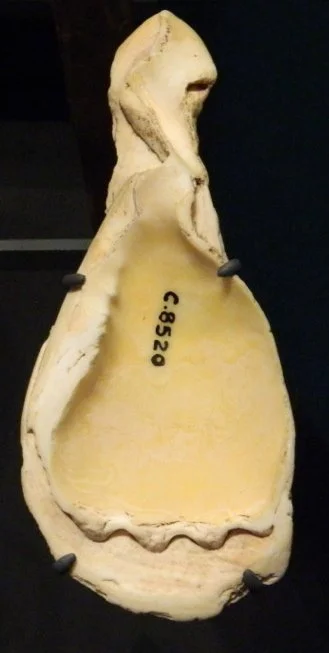
Digging implement or doru, from the island of Yap in the Caroline Islands of Micronesia (now part of the Federated States of Micronesia). This object is part of the Bishop Museum collections (number C.08520; Honolulu, Hawaiʻi), and was obtained during the Bishop Museum Micronesian Expedition in 1936. Photo: Rebecca Rundell
The harvest of giant clams is often done by women, who will walk at low tide through difficult terrain to the offshore reef flats where the clams live. During their work, the women may encounter hazards such as venomous sea urchins and stonefish. They may also be caring for children at the same time. Using a knife and their hands they must somehow remove the clam (e.g. T. maxima, T. derasa, T. crocea (oruer in Palauan), or H. hippopus (generally “kim” in Palauan)) from where it is resting and carry the heavy clam in a basket to shore. Giant clams have traditionally provided delicious protein-rich meals for Pacific Islander communities. In Palau, giant clam might be shared during significant community events such as funerals. Parts of the tough shell were (and still are) also made into tools and ornamentation. Giant clam artifacts are found in Micronesian archaeological deposits that date to thousands of years ago. In some places, local people traditionally would also move or concentrate clams in certain areas as part of their conservation practices.
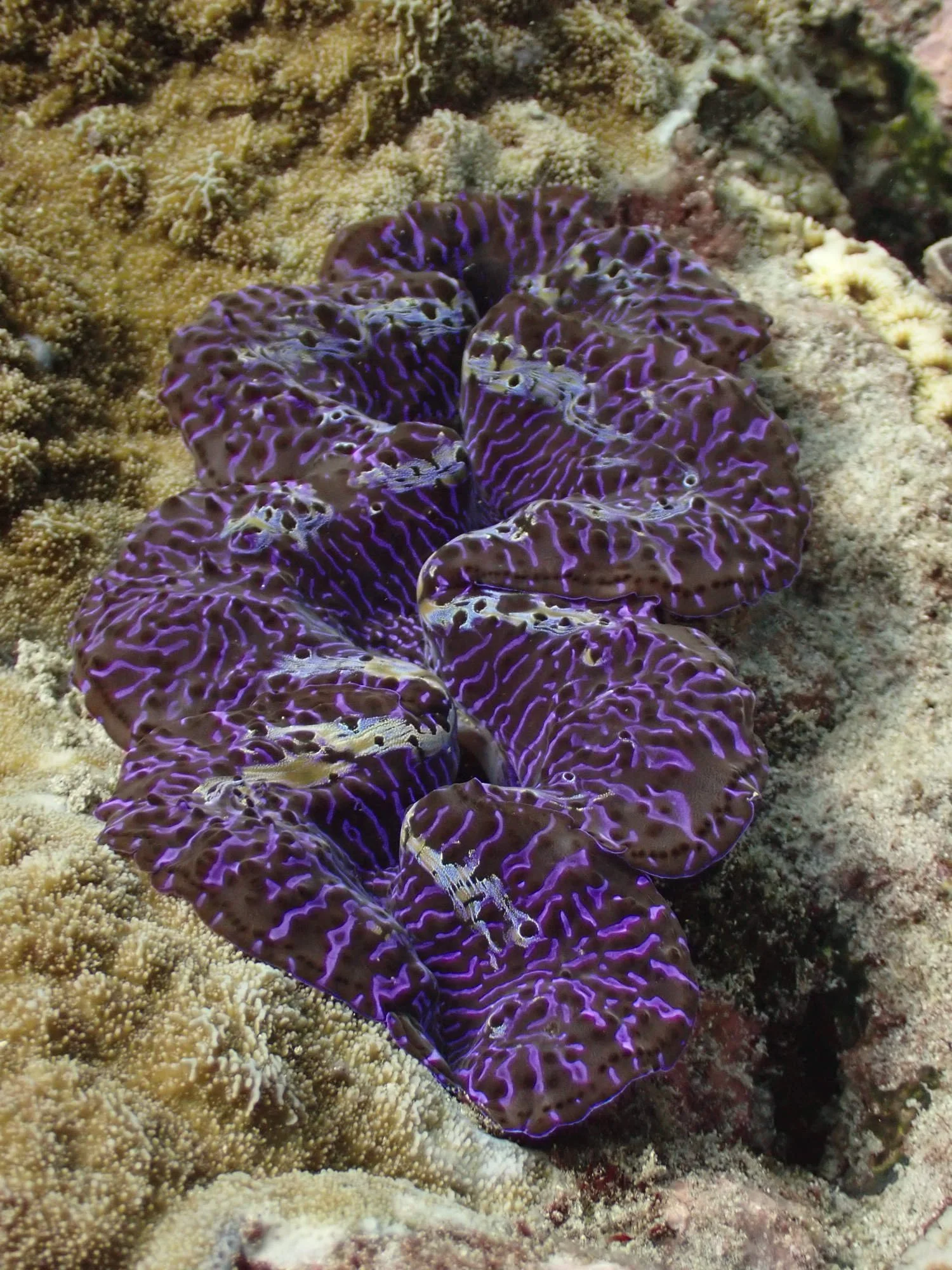
Faisua giant clam on a coral reef in American Samoa. Photo: Paolo Marra-Biggs
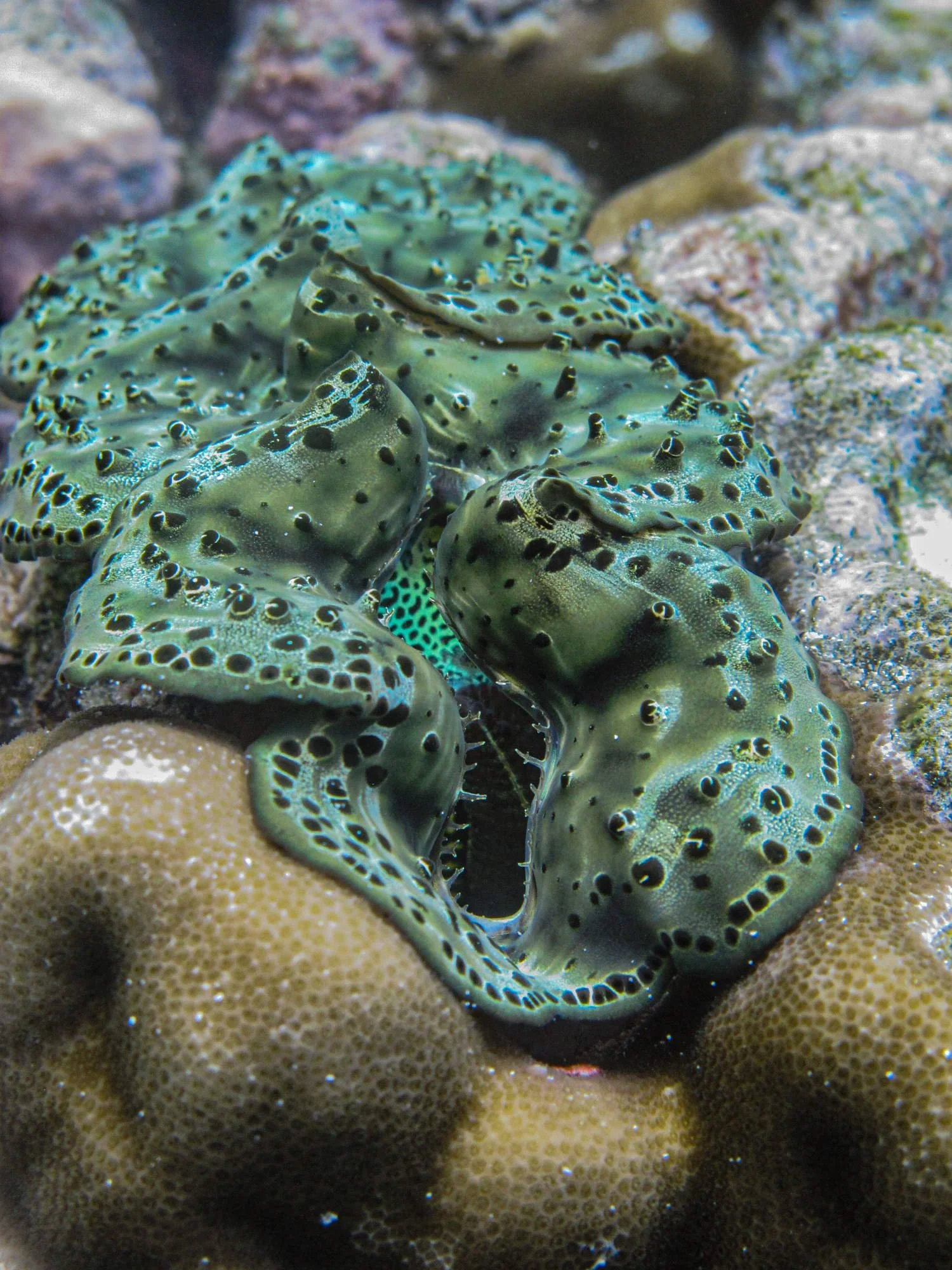
Faisua giant clam on a coral reef off the coast of the island of Ofu in American Samoa. Photo: Paolo Marra-Biggs
Giant clams are not only prized by Pacific Islanders, but by outsiders, too. Some of this use is encouraged and some of it is discouraged. Giant clams can help attract diving and snorkeling tourism (as well as viewing by local people). Giant clams have become rare enough in the Pacific that tourists may travel to remote places to see them. Aquarists also seek out giant clams as pets for their seawater tanks, and although mariculture is starting to help support this trade, there is also illegal poaching. The shells of giant clam can be sculpted into objects and sold as “ivory” or fashioned into round pearl-like beads. Giant clam “ivory” can include fossil giant clams. Giant clam trade can be part of illegal trafficking in animal products and organized crime, including being used as a cover for laundering elephant ivory. Bans on elephant ivory have possibly increased demand for giant clam. (Regarding pearls: Like many mollusks, giant clams can indeed make their own pearls but these tend to be unusual and are not commonly sold. They also are not as lustrous as more familiar pearls from pearl “oysters” (Order Pteriida).)
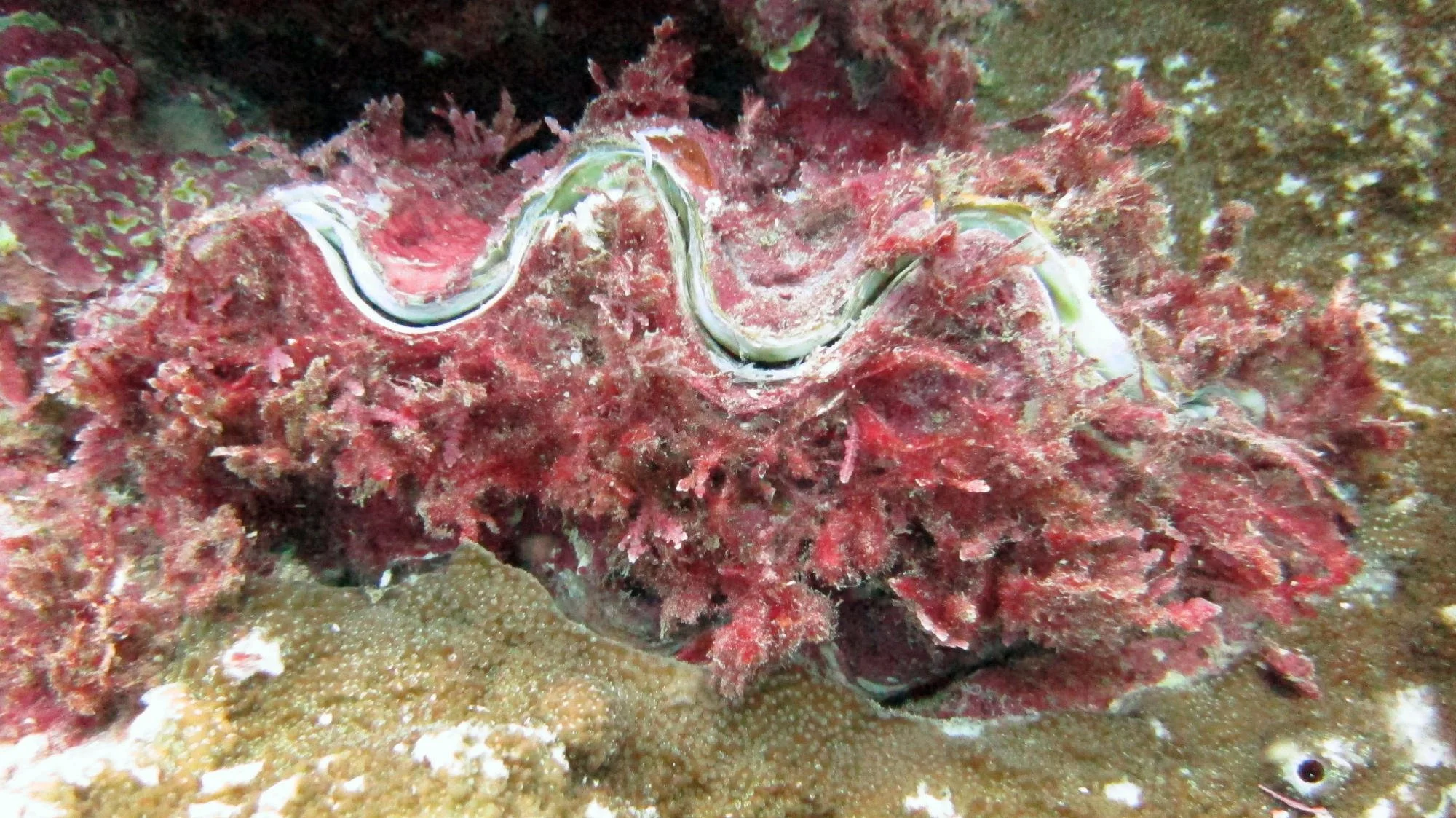
Faisua giant clam on a coral reef in American Samoa. Photo: Paolo Marra-Biggs
Tourists visit certain countries to be able to eat rare species, such as the meat of a giant clam. This includes the adductor muscle that pulls the animal’s two valves together (like a giant scallop). Unfortunately, some giant clams are poached and smuggled as well, including for use in carving, mentioned above. Large scale poaching operations can be destructive to reefs and reef animals. In an attempt to mitigate the dangers of illegal trafficking, giant clams are listed under CITES Appendix II, which restricts trade for clam meat, shell, and live animals. CITES is the Convention on International Trade in Endangered Species of Wild Fauna and Flora. It is important to pay attention to CITES when visiting foreign countries where “precious” corals and other animal-based objects are sold as jewelry or art. While you may be able to purchase them locally, their export may be illegal. These laws help protect countries where certain wildlife has become either locally extinct or severely depleted due to the desire for it from outside wealthier nations.
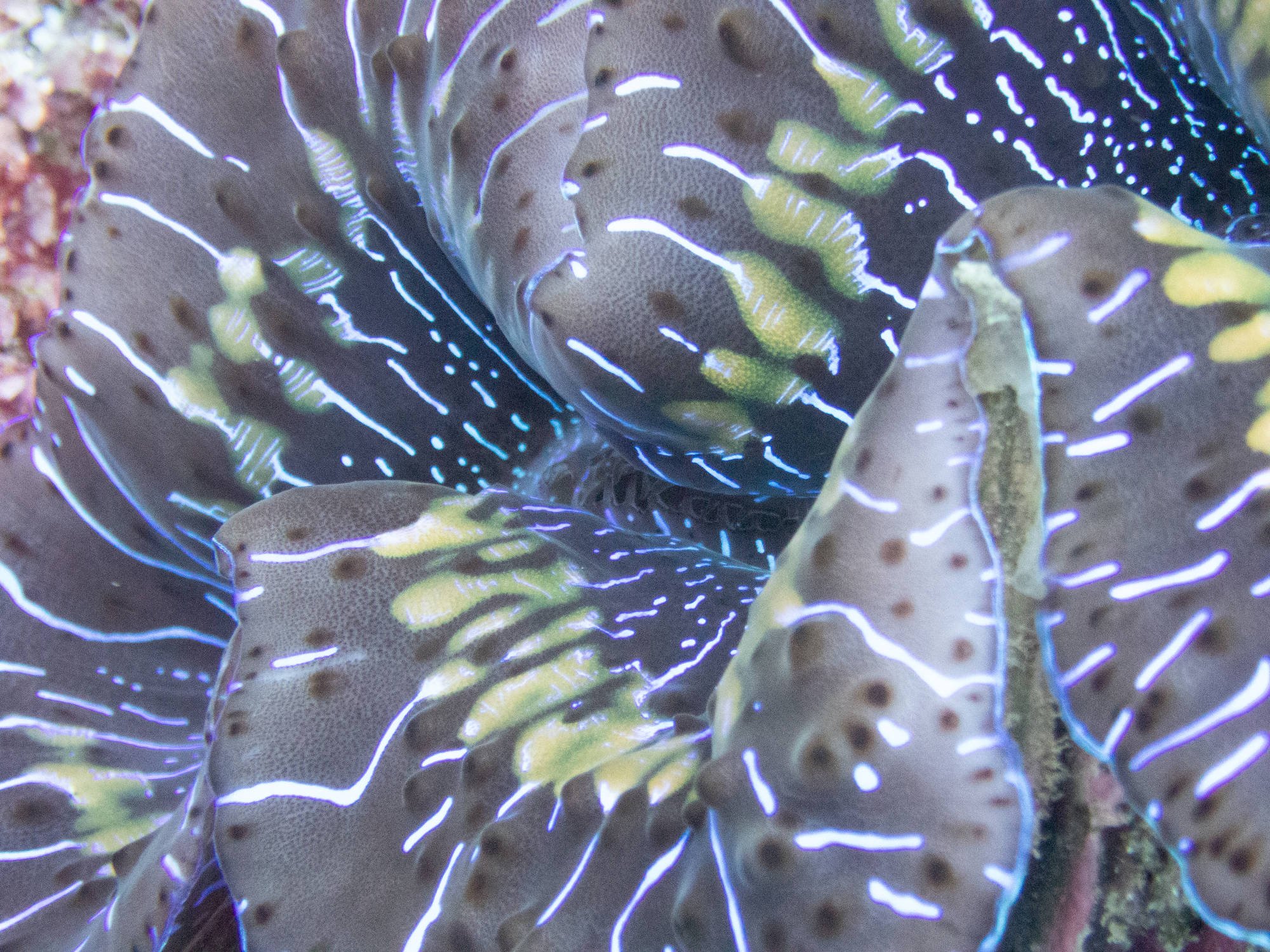
Close-up of faisua (in Samoan) giant clam mantle, showing tentacles around the animal’s incurrent siphon, in American Samoa. The animal breathes through this opening, taking water in to move past its gills. Photo: Paolo Marra-Biggs
Captive-bred clams and products can be exported with permits, however in some countries it is difficult to distinguish between captive and wild-caught clams. Better management and enforcement regarding trade of captive-bred clams (e.g. legal giant clam jewelry and legal, captive-bred giant clam pets for aquaria) versus large scale foreign poaching, is important for fostering legal trade, which in some cases could benefit developing island nations, the few places where giant clams can thrive. Balancing between protecting giant clams and using them to help contribute to fragile island economies is a complex issue that requires special consideration of the island nations and territories involved, their needs, and their cultures.
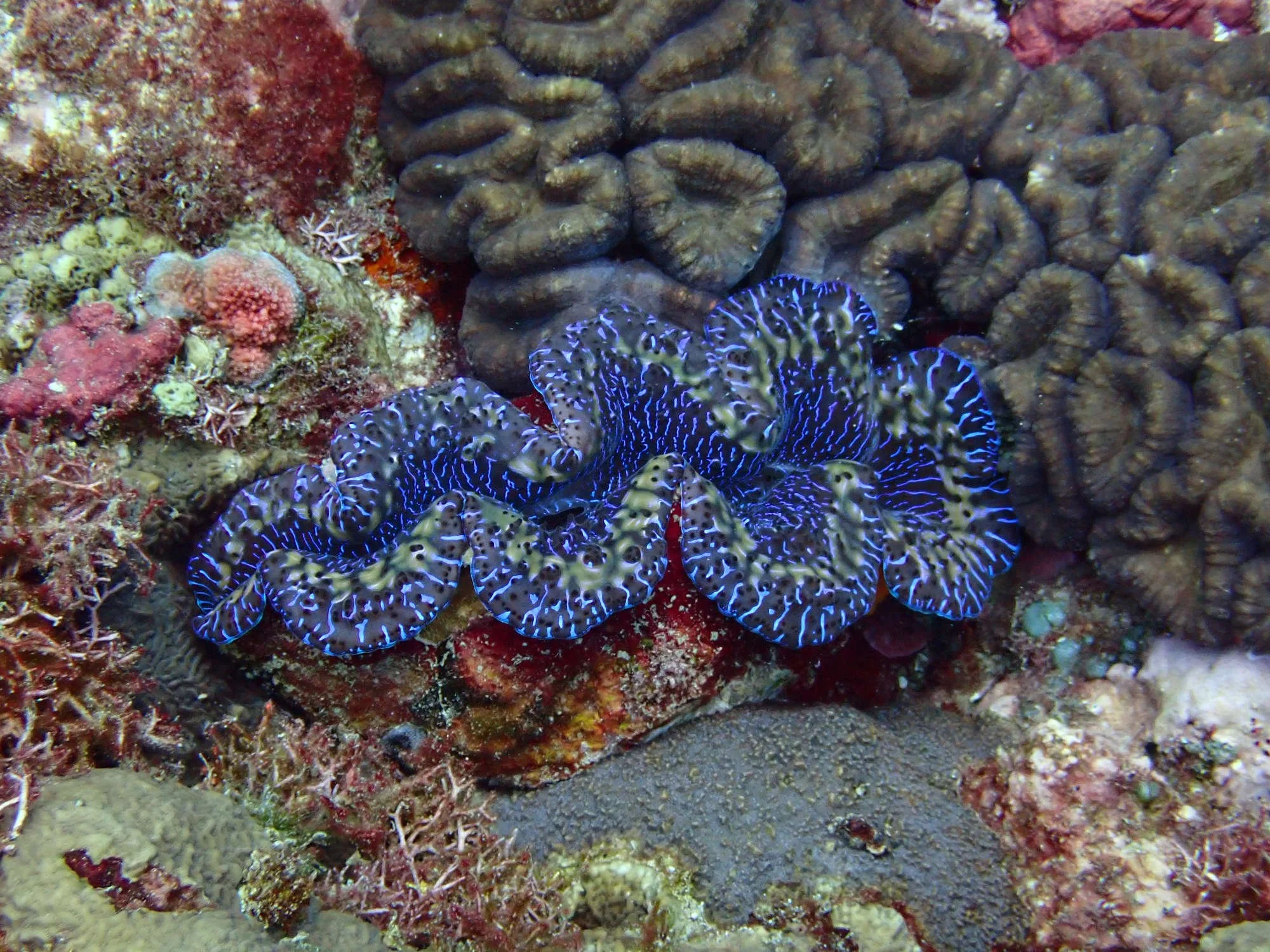
Faisua giant clam on a coral reef in American Samoa. Photo: Paolo Marra-Biggs
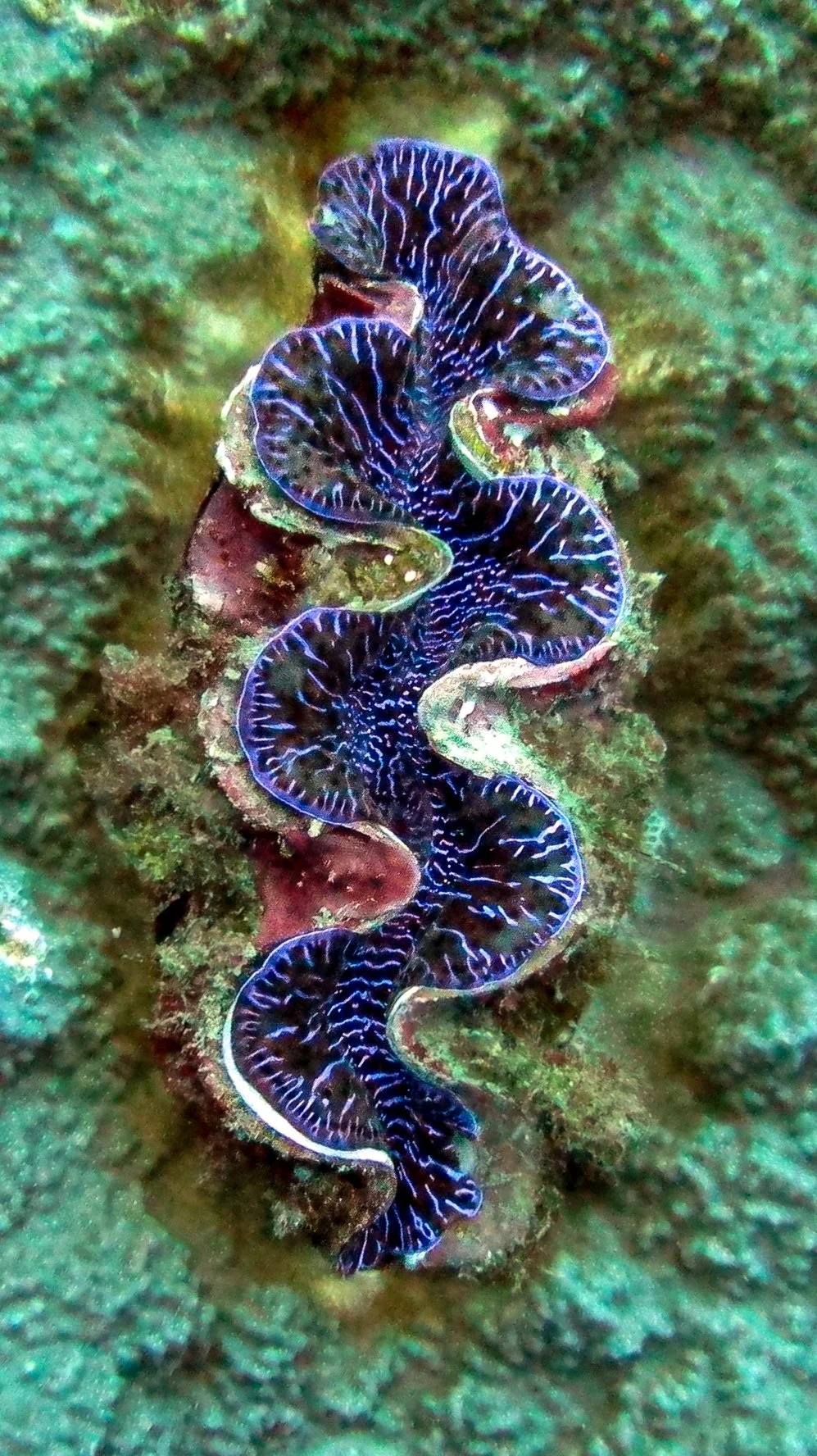
Faisua giant clam on a coral reef in American Samoa. Photo: Paolo Marra-Biggs
Giant clams were and are an important part of Indigenous culture in the Mariana Islands, which includes the U.S. Territory of Guam. In this video, community experts and biologists from the National Park Service are monitoring giant clams in order to ensure their health and survival. The clams are enduring many threats and many have been extirpated from Guam. In the video you will also notice that some clams no longer have color in their bodies. This is because giant clams can “bleach” just like corals do. This can occur during times of environmental stress, especially high temperatures. The clams lose their color because the single-celled symbiotic algae (zooxanthellae) are ejected. This further stresses the clam because the zooxanthellae normally help to make food for the clam. Video: “Outside Science (inside parks): Clam Monitoring in Guam” (2018) by U.S. National Park Service Natural Resource Stewardship & Science Directorate (YouTube)
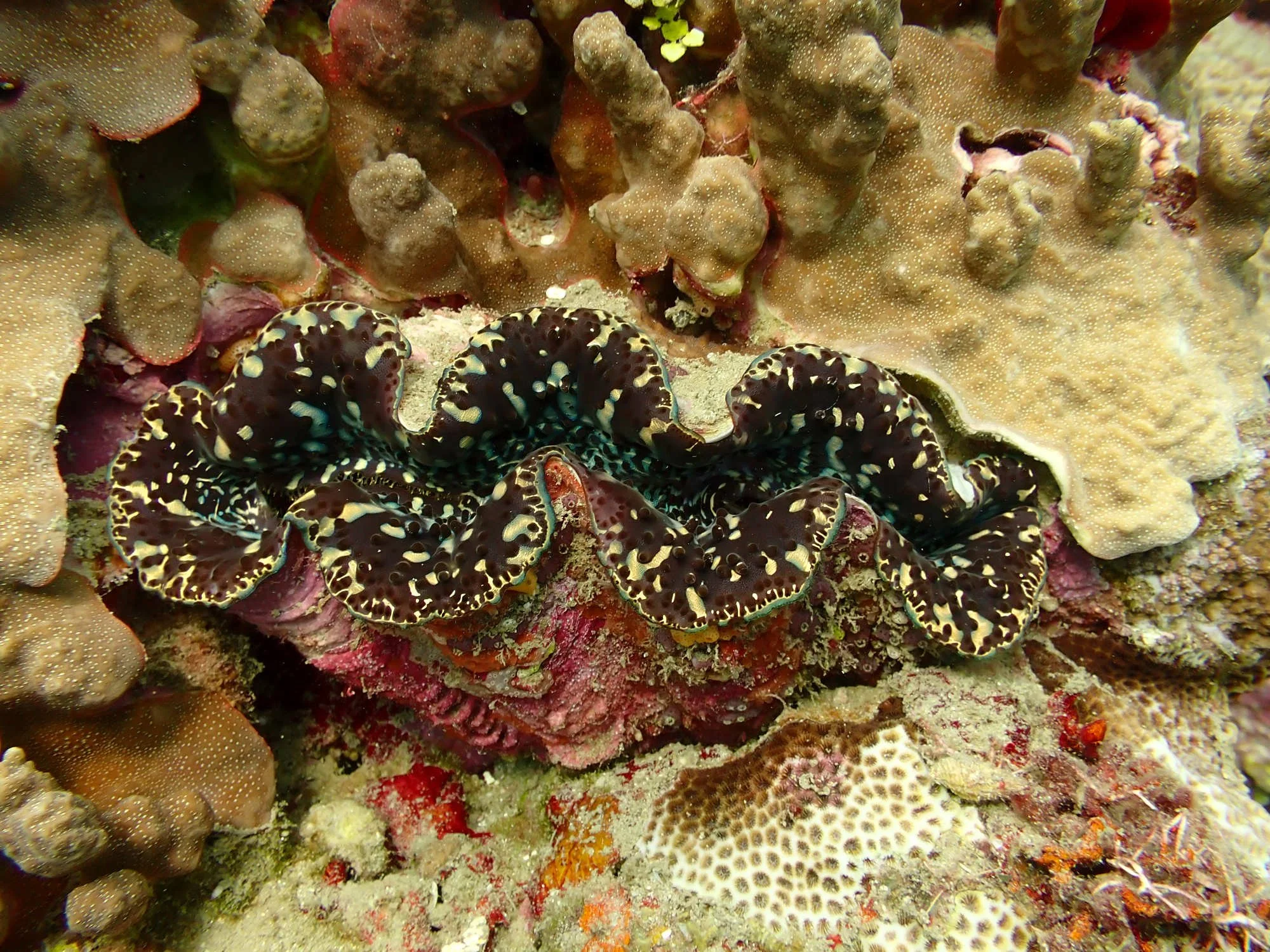
Faisua giant clam on a coral reef in American Samoa. Photo: Paolo Marra-Biggs
Giant clams take a long time to reach sexual maturity (4-10 years depending on the species), and generally do not occur in high abundance. Therefore the poaching activities described above can be especially harmful. Giant clams start their lives as males and after a couple years become hermaphrodites (male and female in the same body). When a clam spawns into the seawater, it releases sperm first, and later releases eggs. This delay helps prevent clams from self-fertilizing. Clams time their sexual activities according to moon phases, which influence the tides that will carry their sperm, eggs, and larvae. Although a large clam can release hundreds of millions of eggs, many of those eggs will become food for hungry little reef animals. Just a few eggs will end up uniting with sperm to become larvae, and very few of those larvae will make it to settle on a reef. When they settle, the baby clams will grow little temporary threads to attach themselves to the reef. Of the few that settle, only a small number will grow to adult size.
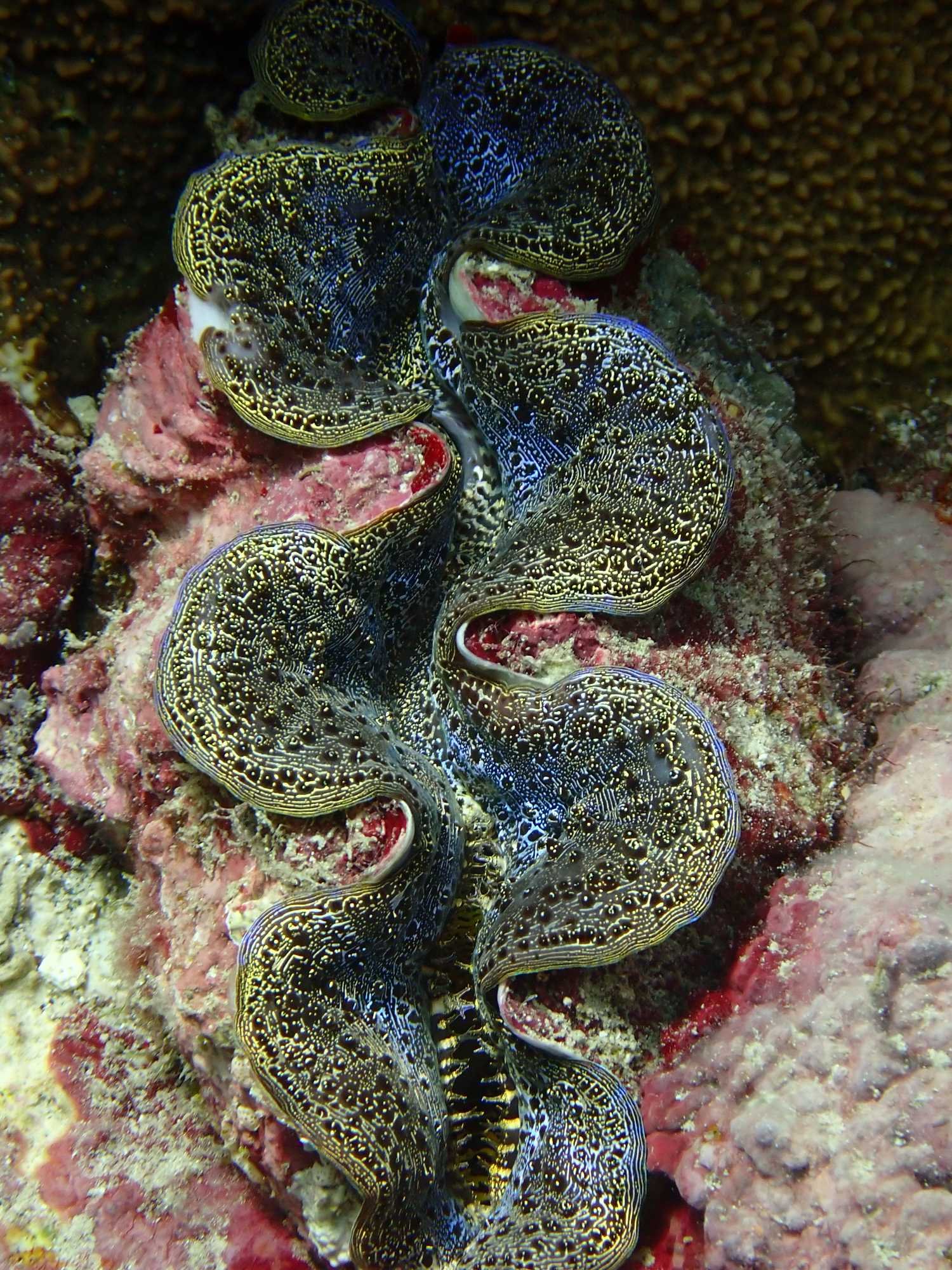
Faisua giant clam on a coral reef in American Samoa. Photo: Paolo Marra-Biggs
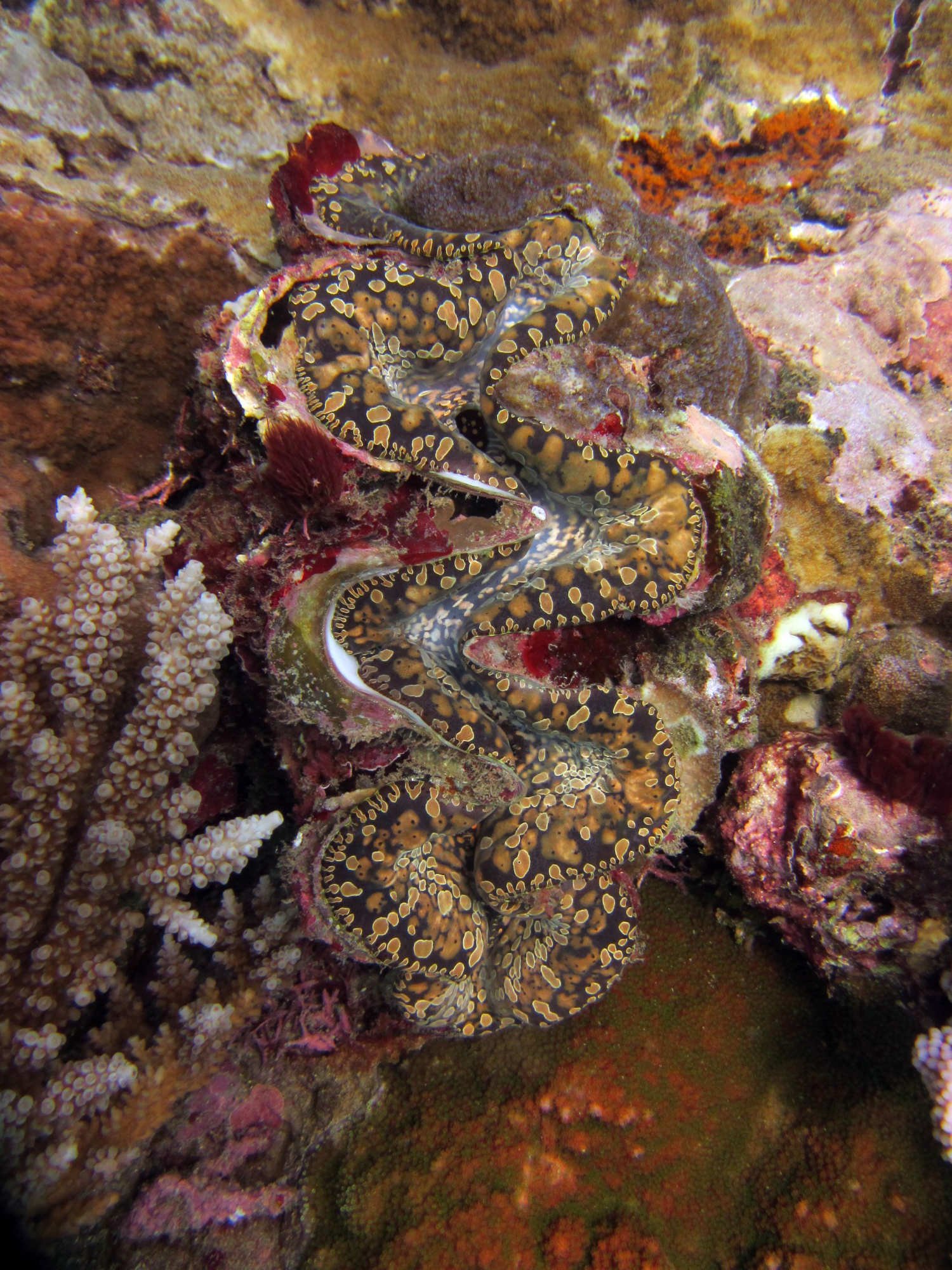
Faisua giant clam on a coral reef in American Samoa. Photo: Paolo Marra-Biggs
The lucky few giant clams that grow large, can be large enough to resist predation. They live the good life in relatively shallow waters, where they can passively gain nutrition through the single-celled algae in their bodies (zooxanthellae), which they expose to light. This is why giant clams do not live in the deep ocean. Giant clams can also feed (and breathe) like other clams, using their siphons (see photo below). The long slit-like incurrent siphon is sometimes surrounded by tentacles, and brings in seawater full of oxygen and goodies like microplankton to eat. The excurrent siphon is more tube-like in shape, and expels used seawater (and at the right time, shoots out sperm and eggs!). The size of many giant clams and these siphons probably made people think they were man-eaters. However giant clams close their shells quite slowly and do not eat divers. It is of course humans that threaten their survival, either directly through poaching or by climate change.
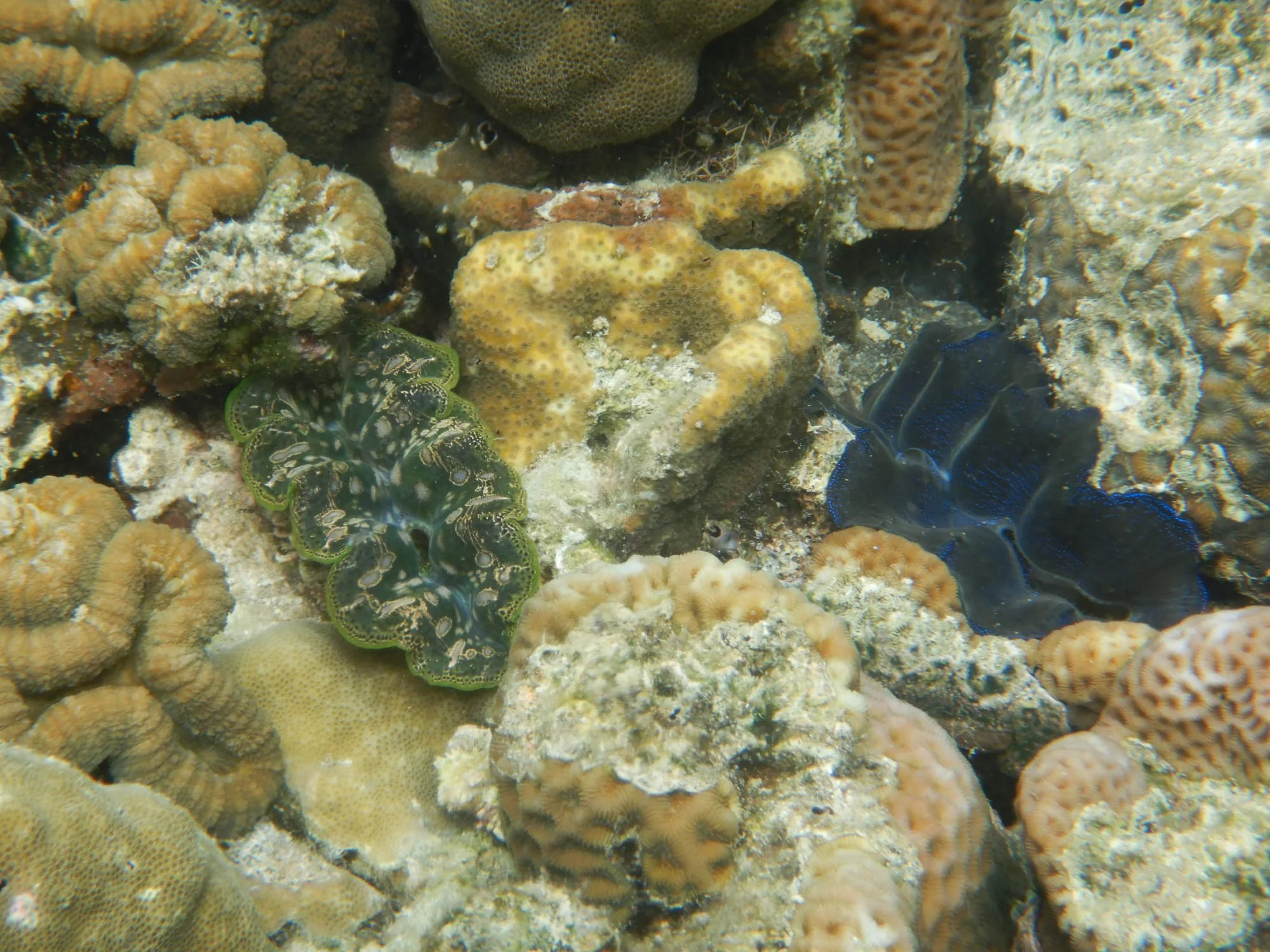
Oruer (in Palauan) Tridacna crocea the crocus giant clam in Palau. Photo: SUNY-ESF Palau Invertebrate Conservation Field Course 2019.
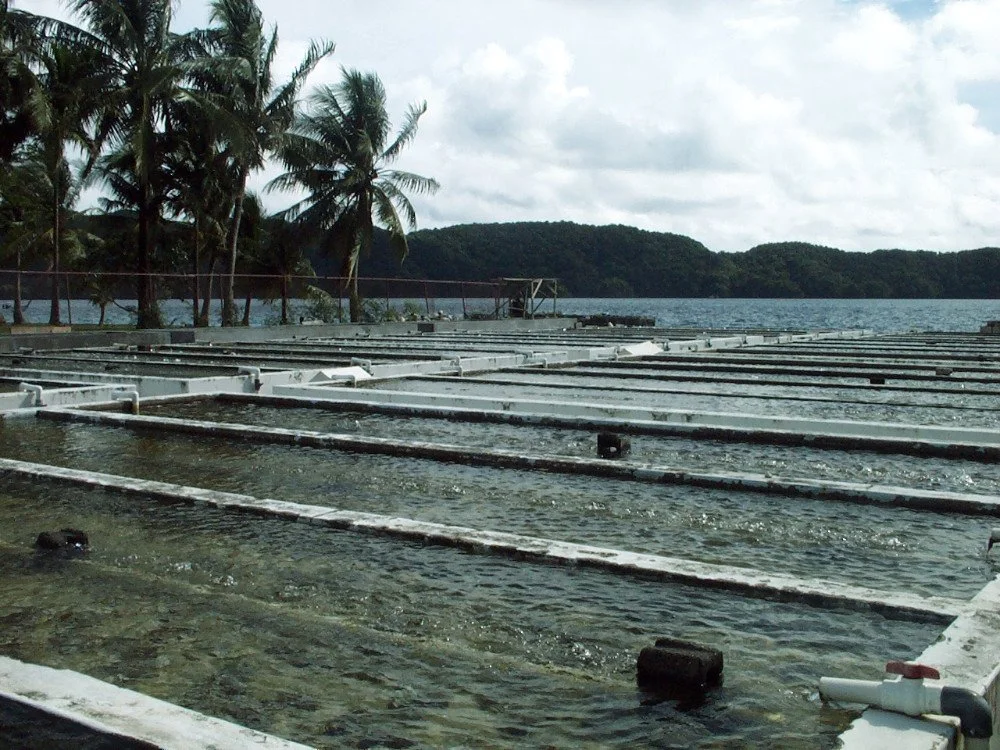
Aquaculture of giant clams at the Bureau of Marine Resources (Malakal, Republic of Palau), pictured here in 2003. Associated with this is the Palau Mariculture Demonstration Center (PMDC), which has been very successful. These tanks hold hundreds of captive-grown giant clams that can be “outplanted” to local reefs in Palau, which helps for the long-term survival of Tridacna species in the country. Mature clams will release egg and sperm, some of which will lead to larvae that can seed local populations. Photo: Rebecca Rundell
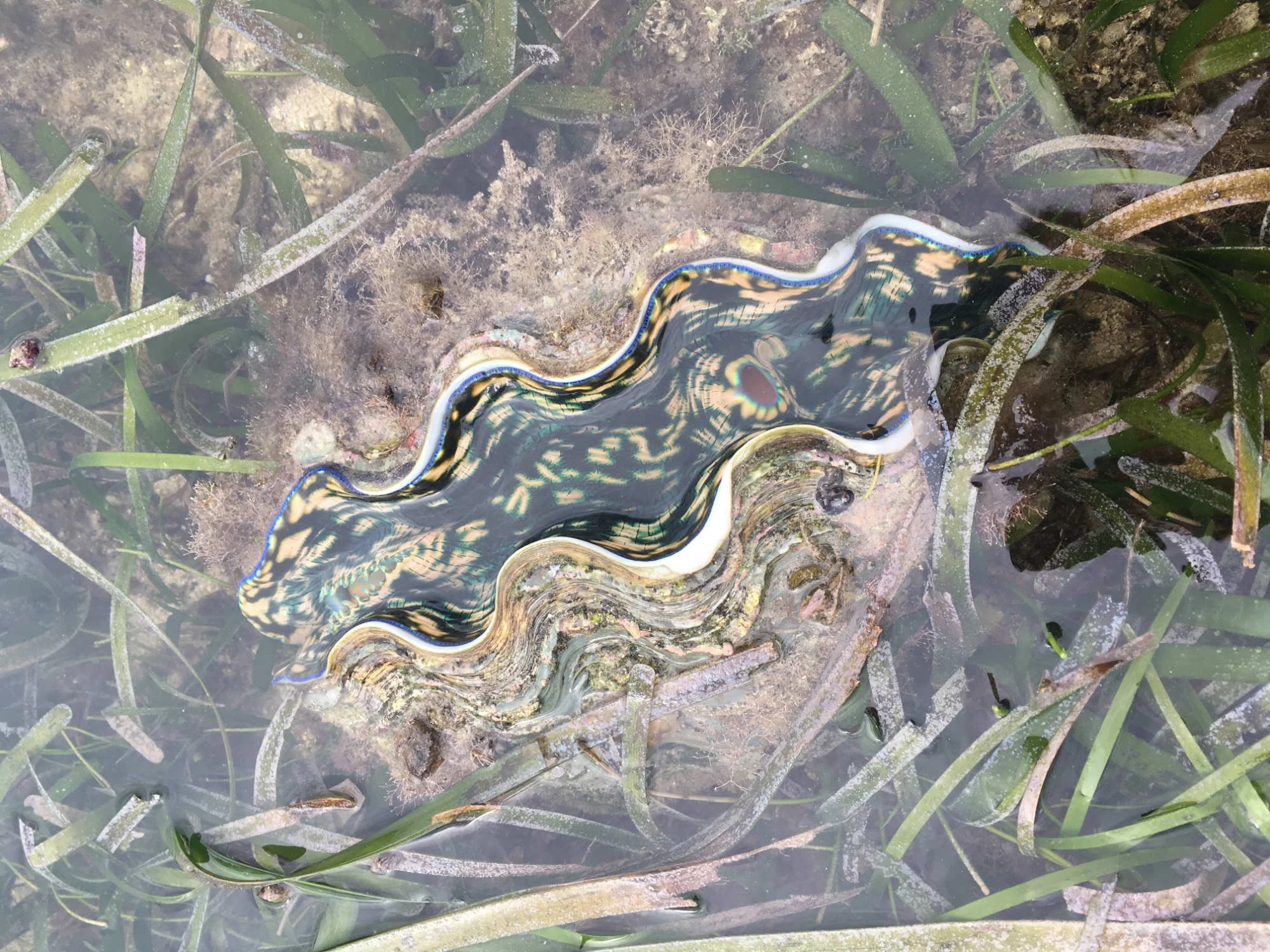
This kism (in Palauan), the smooth giant clam (Tridacna derasa), is living embedded amongst seagrass in Palau. Photo: SUNY-ESF Palau Invertebrate Conservation Field Course 2019.
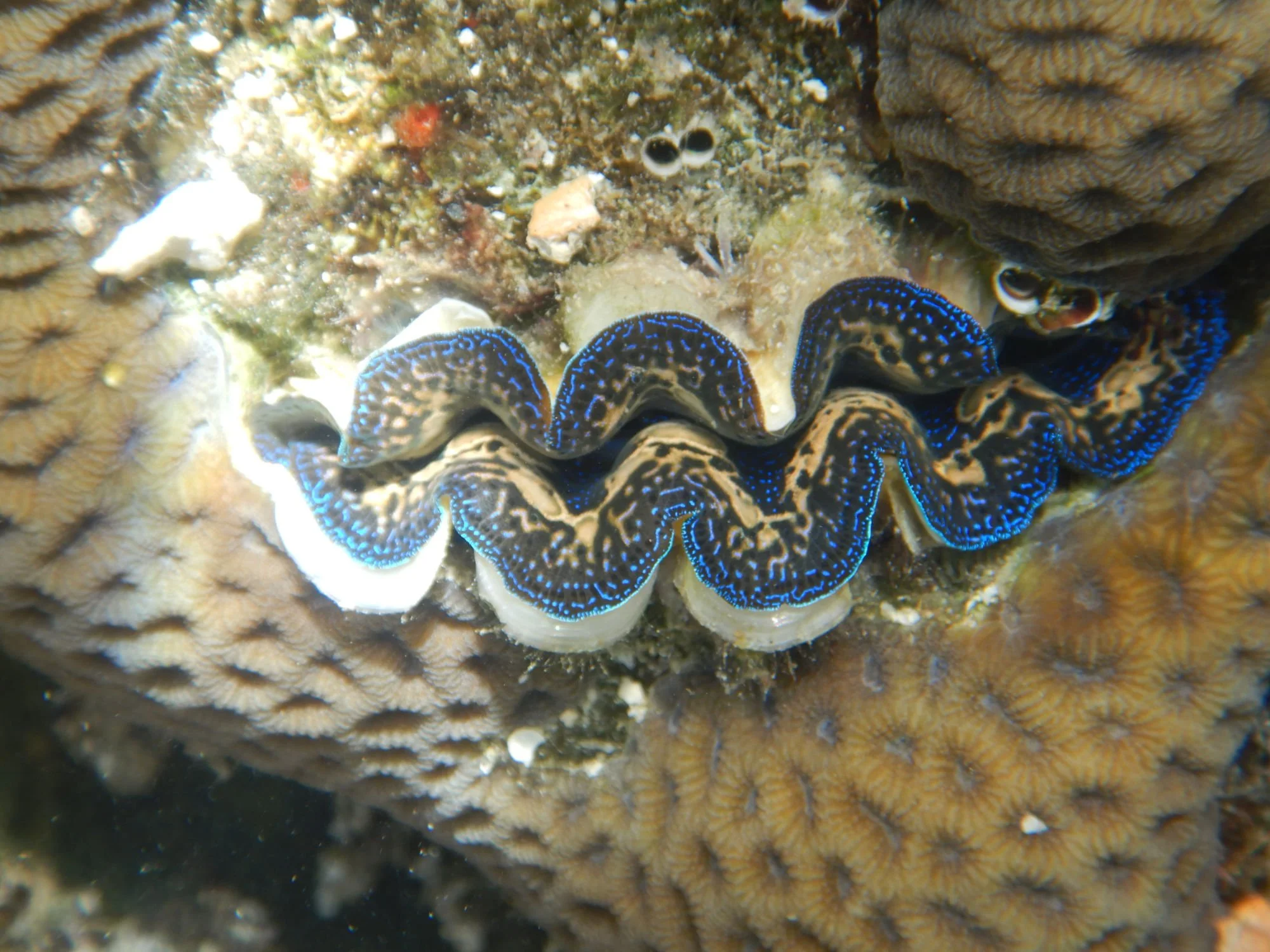
Oruer (in Palauan) Tridacna crocea the crocus giant clam in Palau. Note the round eyeball-looking holes with white edges that are near the clam. These are the openings of tube-like vermetid marine snails that live embedded in the reef. Photo: SUNY-ESF Palau Invertebrate Conservation Field Course 2019.
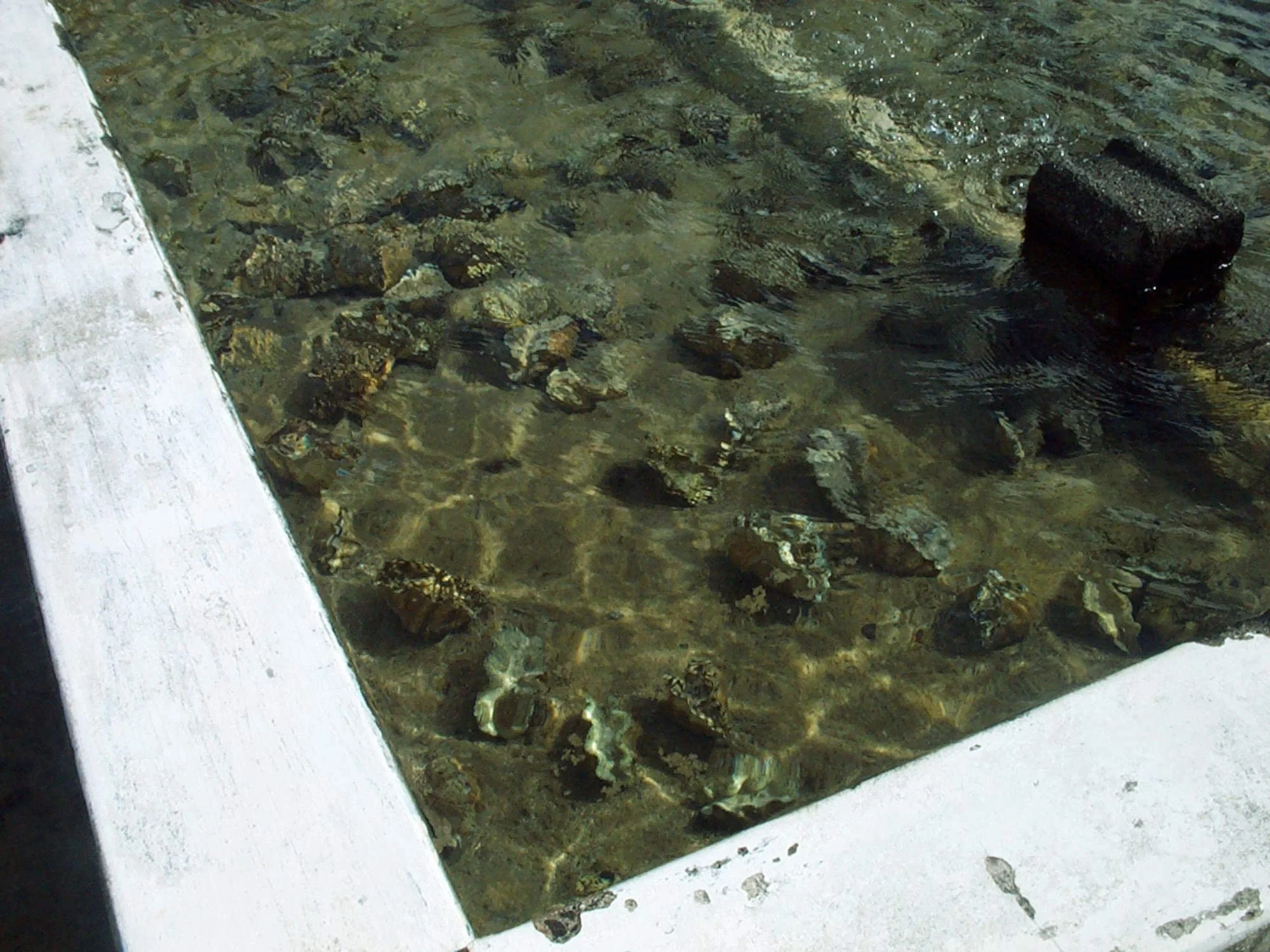
“Baby” giant clams in the aquaculture facility at the Bureau of Marine Resources (Malakal, Republic of Palau). These clams start their lives as tiny floating larvae, and in 2003 when this photo was taken, the clams were 1-2 years old. Some of these clams were brought out to the reef to live in the wild. If they successfully established, a few of them might still be alive and growing today, since giant clams can live a very long time! Photo: Rebecca Rundell
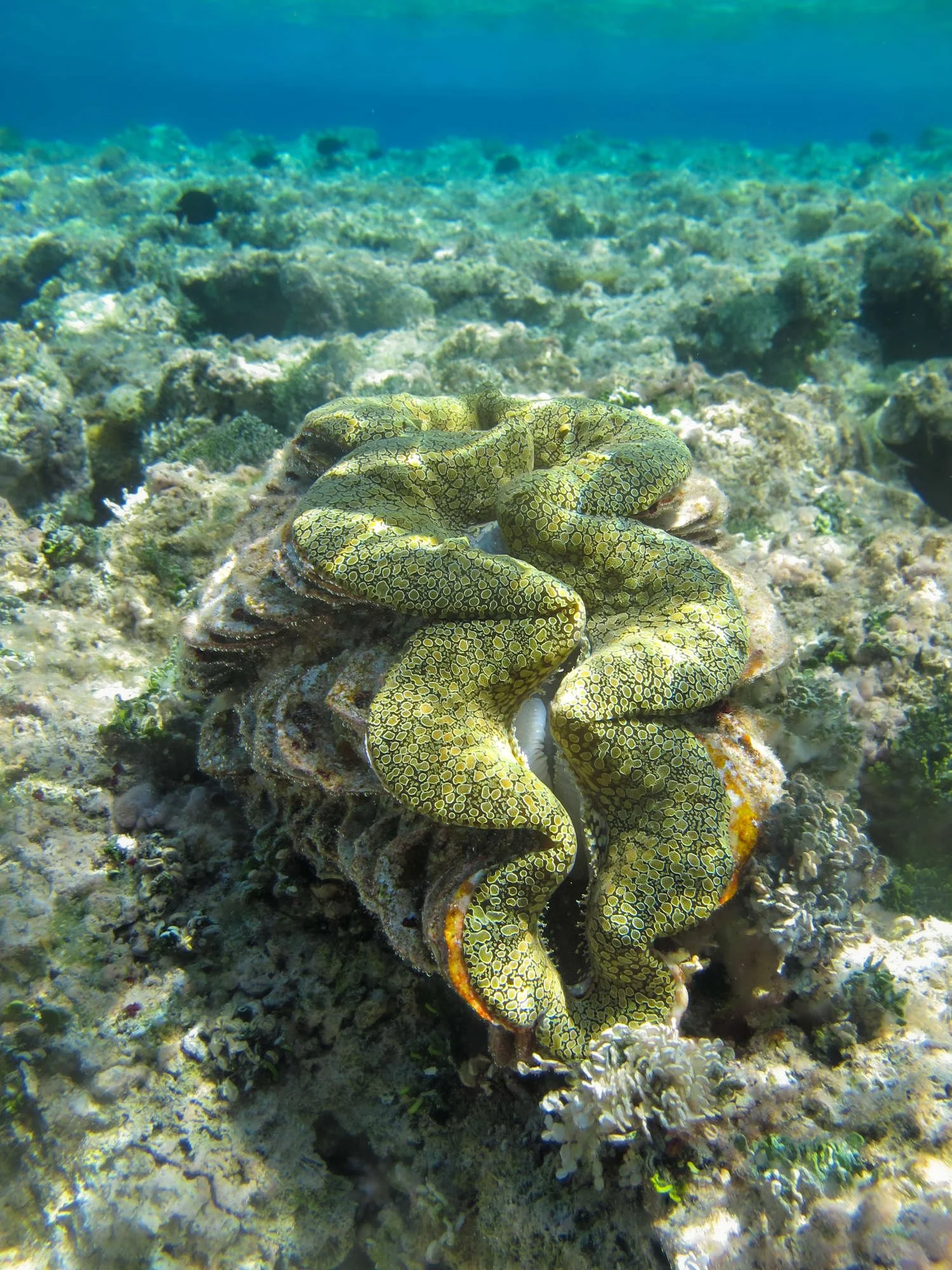
Faisua giant clam on a coral reef in American Samoa. Photo: Paolo Marra-Biggs
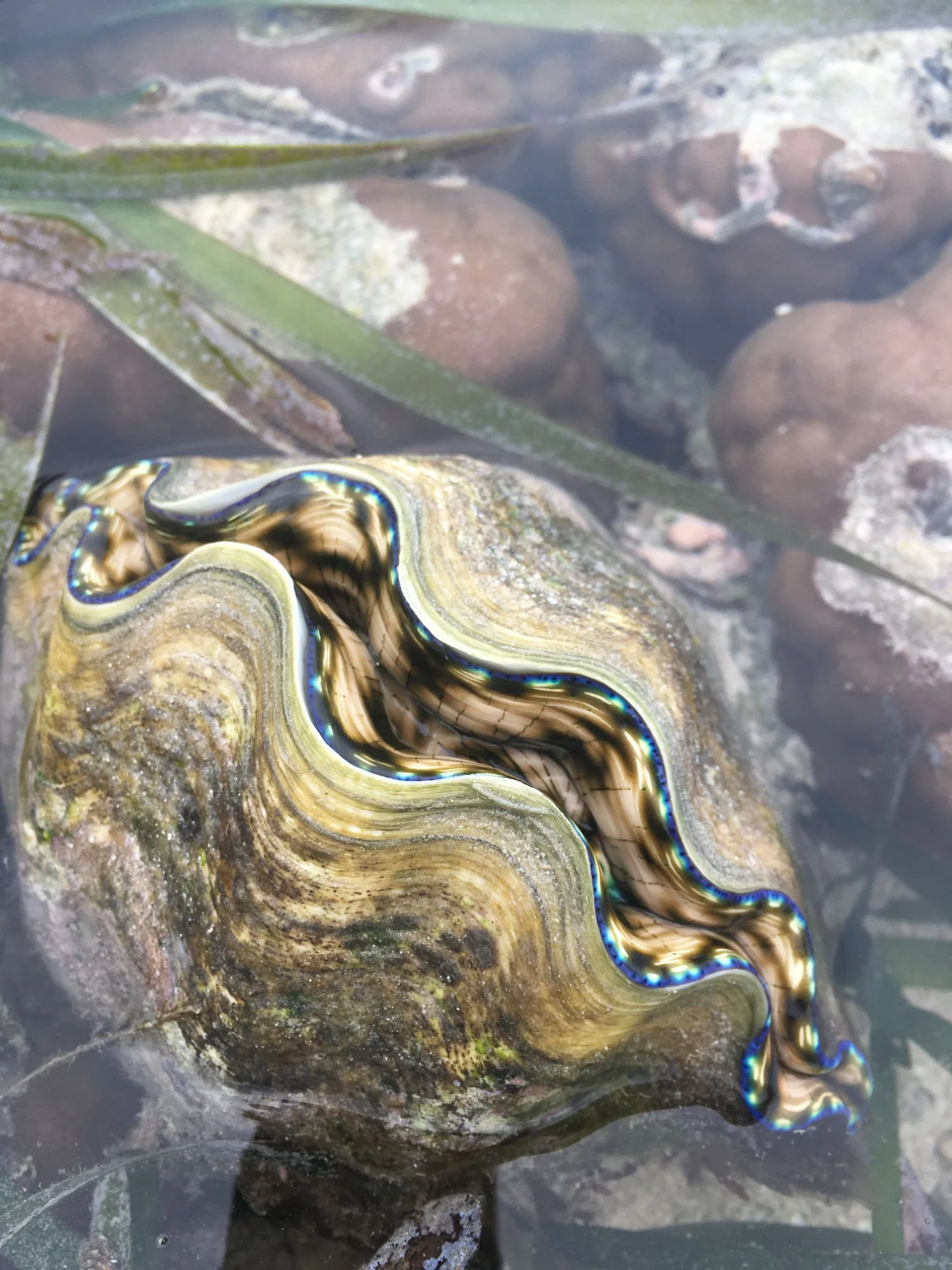
This is kism in Palauan, the smooth giant clam (Tridacna derasa), pictured among sea grass and coral in its natural habitat in Palau. Photo: SUNY-ESF Palau Invertebrate Conservation Field Course 2019.
Sometimes clams close their shells to avoid fouling by silt or debris in the seawater, or to avoid nips by an aggressive fish. They know to do this because their exposed colorful skin also has many tiny eyeballs embedded within it, which are especially good at detecting shadows. Interestingly, the cells in giant clam tissue that look so colorful to us, are also used by the clam as one of the most efficient uses of solar power on Earth, which may have practical applications. See Alison Sweeney’s research: https://news.yale.edu/2024/06/28/giant-clams-may-hold-answers-making-solar-energy-more-efficient
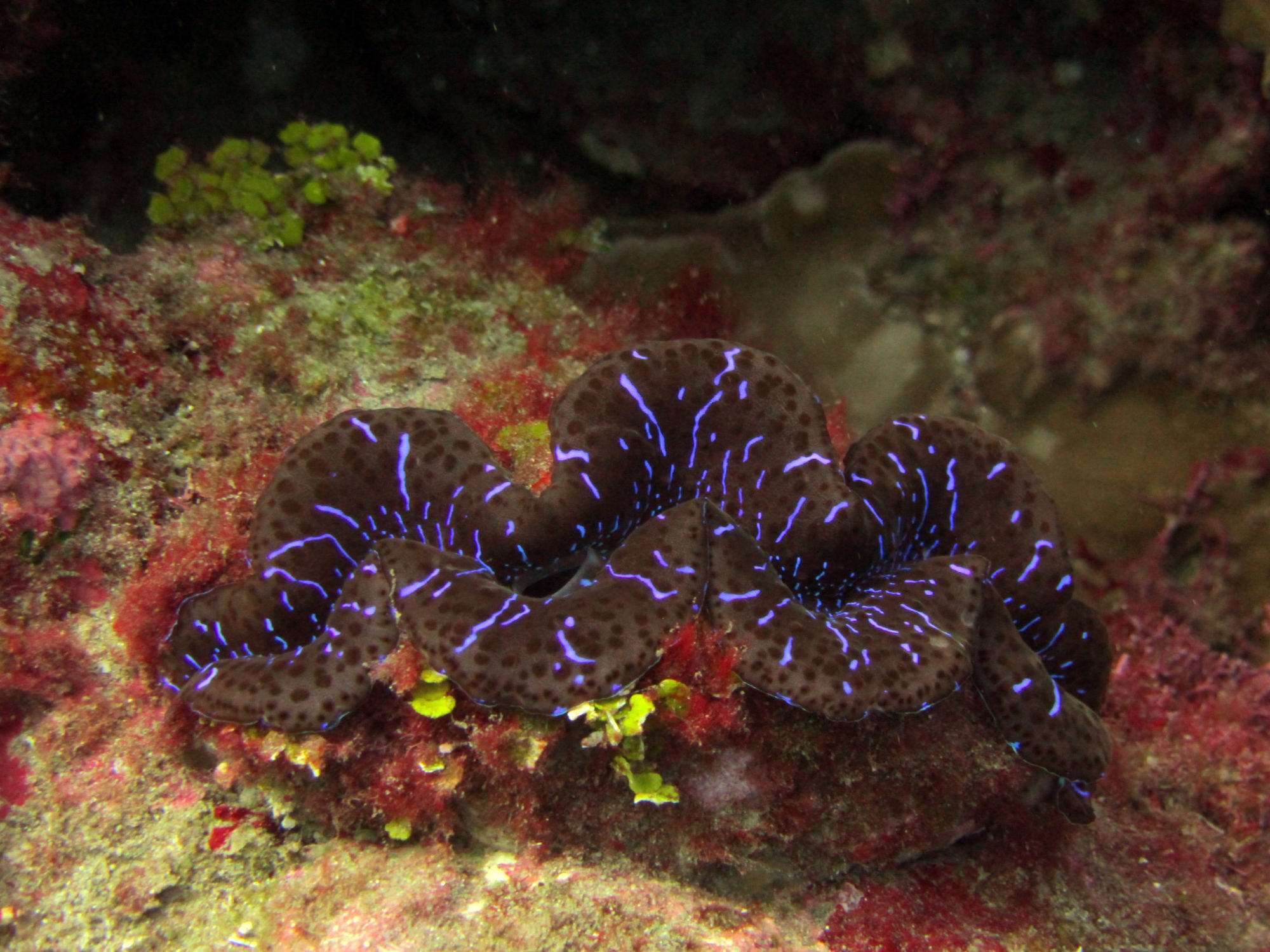
Faisua giant clam on a coral reef in American Samoa. Photo: Paolo Marra-Biggs
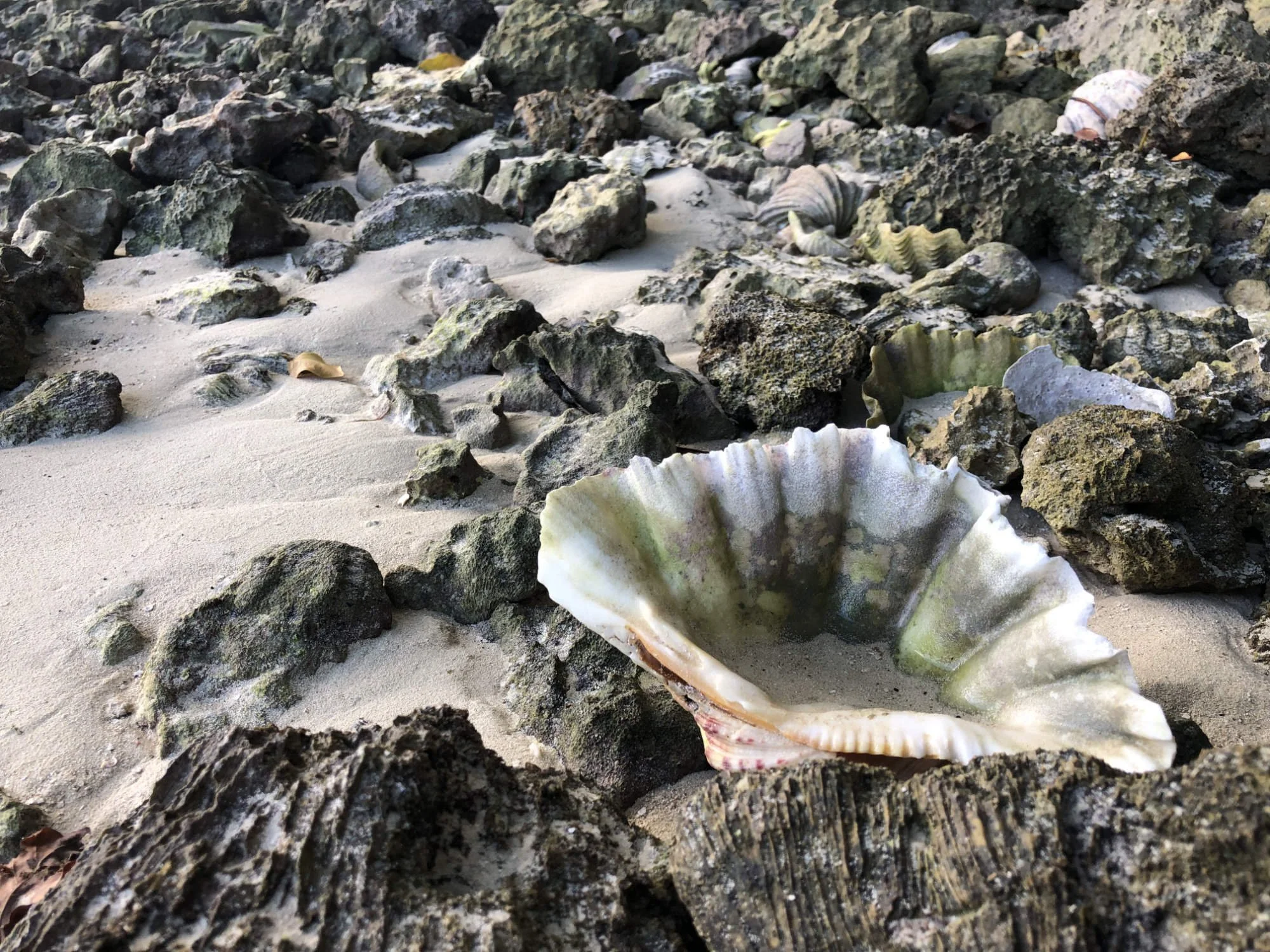
Empty giant clams scattered on a beach in Palau, with duadeb (in Palauan) the bear paw giant clam (Hippopus hippopus) in the foreground. Giant clams are an important part of many Pacific Island cultures, and their decline and illegal poaching on islands affects local people. Conservation and aquaculture of giant clams is important for the continuity of Pacific Island cultures. Photo: SUNY-ESF Palau Invertebrate Conservation Field Course 2019.
Acknowledgments for Giant Clam section:
Many thanks are owed to Paolo Marra Biggs (University of Hawaiʻi) for generously providing his stunning images of giant clams from his research in American Samoa (https://heliosseascapes.wixsite.com/paolo-marra-biggs ). We are also deeply grateful for the contributions and knowledge of Mike Gawel (Guam). Gawel was instrumental in the early aquaculture of giant clams in Fiji in the 1970s, along with Steve Wainwright and Michael LaBarbera. Thank you to the National Park Service (USA), War in the Pacific National Historical Park in the U.S. Territory of Guam, Allison Miller, Hannah White, the Bureau of Marine Resources of Palau, Pat Colin, Lori Bell Colin, Mathew Mesubed (Coral Reef Research Foundation) https://coralreefpalau.org/, Jesse Czekanski-Moir, participants in our SUNY-ESF Invertebrate Conservation in Palau: From Ridge to Reef course (including co-instructors Jesse Czekanski-Moir, Anuschka Faucci, and Carla Atkinson), the Bernice Pauahi Bishop Museum (Honolulu, Hawaiʻi), and the National Park of American Samoa. Also we thank Yuping Chen and the Belau National Museum for details on Palauan proverbs. Rebecca Rundell takes responsibility for any errors.
Sources and further reading:
Alberts, E.C. 2021. As seizures of poached giant clams rise, links to ivory trade surface. Mongabay 15 October 2021. https://news.mongabay.com/2021/10/as-seizures-of-poached-giant-clams-rise-links-to-ivory-trade-surface/
Bureau of Marine Resources (BMR) of Palau. 2012. Giant Clams of Palau. Poster. Secretariat of the Pacific Community’s Fisheries Information Section.
Colin, P.L. and C. Arneson. 1995. Tropical Pacific Invertebrates. Coral Reef Press, Beverly Hills, California.
Lawson, Katherine N. Research on traditional ecological knowledge of women in Fiji and tropical invertebrate conservation: https://sites.google.com/view/knewcomer/home?authuser=0
Maron, D.F. 2021. Criminals are stealing giant clams—and carving them like ivory. Here’s why. National Geographic 6 October 2021. https://www.nationalgeographic.com/animals/article/giant-clams-are-being-stolen-and-carved-like-ivory
Marra-Biggs, P. Man-eating clams, endangered by man. Sea Grant, University of Hawaiʻi. https://seagrant.soest.hawaii.edu/2022/01/05/man-eating-clams-endangered-by-man/
Matthews, E. and E. Oiterong. 1995. Marine species collected by women in Palau, Micronesia. Micronesica 28(1): 77-90.